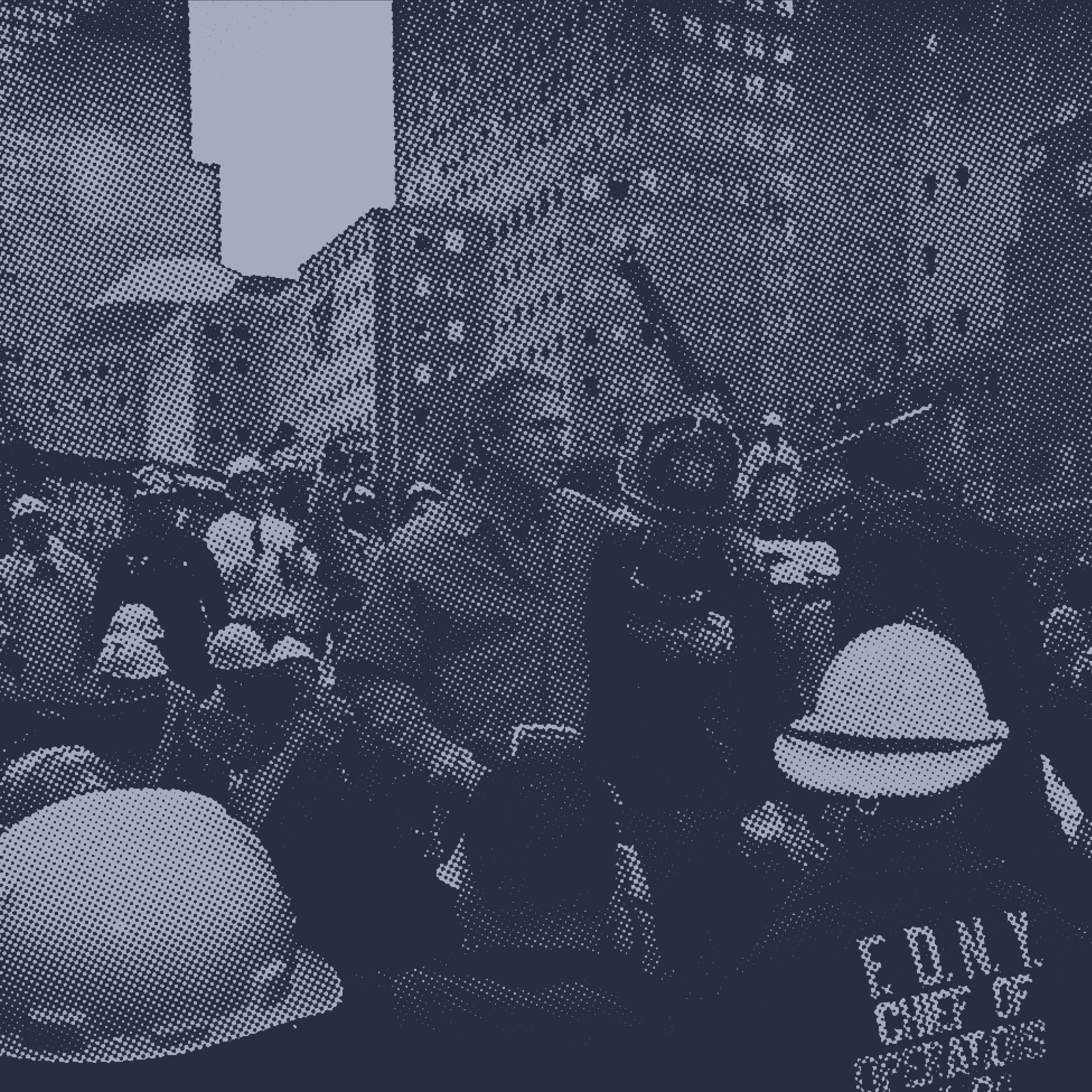
Overview of How 9/11 reshaped U.S. intelligence | Sources & Methods
This NPR special revisits 9/11 through a live roundtable with four former senior U.S. officials who were in the middle of the crisis: Stephen Hadley, Jane Harman, John McLaughlin, and Michael Morell. They reflect on where they were that morning, how the government responded in the hours and days after the attacks, and how 9/11 permanently changed U.S. intelligence, national security policy, and the balance between security and civil liberties.
Key Moments from 9/11
Immediate reactions from government officials
- John McLaughlin (CIA) was in a staff meeting at CIA headquarters when the first plane hit; after the second strike, he and others knew the U.S. was under attack.
- Stephen Hadley (White House) was in the Situation Room when the second plane hit and remained involved in crisis management as the White House evacuated.
- Jane Harman (Congress) was on Capitol Hill when buildings evacuated; she recalled the fear that Flight 93 might have been headed for the Capitol and that Congress could have faced a continuity-of-government crisis.
- Michael Morell (Air Force One) was traveling with President George W. Bush; communication was difficult, and Bush ultimately decided to return to Washington.
The sense of shock and vulnerability
- The panel repeatedly emphasized how worried officials were about a second wave of attacks in the immediate aftermath.
- They described the day as a turning point that changed the country’s sense of safety and the government’s assumptions about national security.
How 9/11 Reshaped U.S. National Security
New powers and new institutions
The discussion traced how the U.S. rapidly built a new security architecture after the attacks:
- Authorization for Use of Military Force (AUMF) passed almost unanimously, giving the president broad authority to fight those responsible.
- Patriot Act expanded surveillance and law-enforcement powers.
- Department of Homeland Security was created the following year by merging 22 agencies.
- The Director of National Intelligence (DNI) was later created to improve coordination and “connect the dots” across agencies.
Intelligence and military action expanded
- CIA leaders said the response included:
- new covert authorities,
- capture and detention powers,
- lethal action against named targets,
- the early use of armed drones in partnership with the Air Force.
- The Bush administration’s strategy focused first on Afghanistan and the Taliban/al-Qaeda network.
The Darker Trade-Offs: Torture, Oversight, and Guantanamo
Enhanced interrogation and legal justifications
A major portion of the conversation focused on CIA interrogation practices after 9/11:
- McLaughlin and Morell argued the atmosphere felt like a “ticking time bomb” scenario.
- Harman pushed back, saying Congress struggled to get adequate information and that the legal and policy process was deeply flawed.
- The panel revisited waterboarding, Justice Department memos, internal accountability boards, and the controversy over whether the practices were torture.
Guantanamo Bay remains unresolved
- The officials agreed Guantanamo was created because no one wanted to house these detainees elsewhere.
- Harman criticized the original logic for placing detainees outside normal U.S. legal reach.
- The panel acknowledged that Guantanamo is still open, with legal and political barriers preventing a clean resolution.
- They noted the continuing complications around prosecuting alleged 9/11 mastermind Khalid Sheikh Mohammed, especially after torture-tainted evidence was thrown out.
What Worked, What Didn’t
Claims of success
- The former officials emphasized that:
- al-Qaeda did not launch another 9/11-style attack on the U.S.,
- the threat was degraded over time,
- intelligence and military pressure disrupted follow-on plots.
Critiques and concerns
- Harman argued that:
- Congress often struggled to get information,
- some actions were overreaches,
- civil liberties were too often treated as secondary.
- She warned that security and liberty are not a zero-sum game.
- She also said the U.S. later over-militarized its response and weakened soft power and alliances.
The Debate Over the DNI and Intelligence Reform
Should the DNI exist?
- The panel gave a near-unanimous answer: yes, keep the DNI.
- But they added important caveats:
- it must be empowered effectively,
- it works best when the president actively supports it,
- it can’t fully succeed without strong coordination and experienced leadership.
- The DNI was presented as a response to the pre-9/11 failure to coordinate intelligence agencies.
The Big Takeaway
The episode’s central message is that 9/11 permanently changed the U.S. government’s relationship to intelligence, secrecy, military force, and civil liberties. The panel agreed that the country acted quickly and decisively, but they also acknowledged lasting unresolved problems:
- expanded surveillance powers,
- controversial interrogation policies,
- Guantanamo’s existence,
- and the difficulty of balancing safety with constitutional values.
Final Reflections
- The guests agreed that the U.S. remains vulnerable to terrorism and emerging threats like cyber and AI.
- They cautioned against complacency and argued that vigilance, expertise, and strong institutions still matter.
- Their overall view: 9/11 was a national trauma that prompted extraordinary reforms, some effective, some deeply controversial, and many still shaping U.S. policy today.