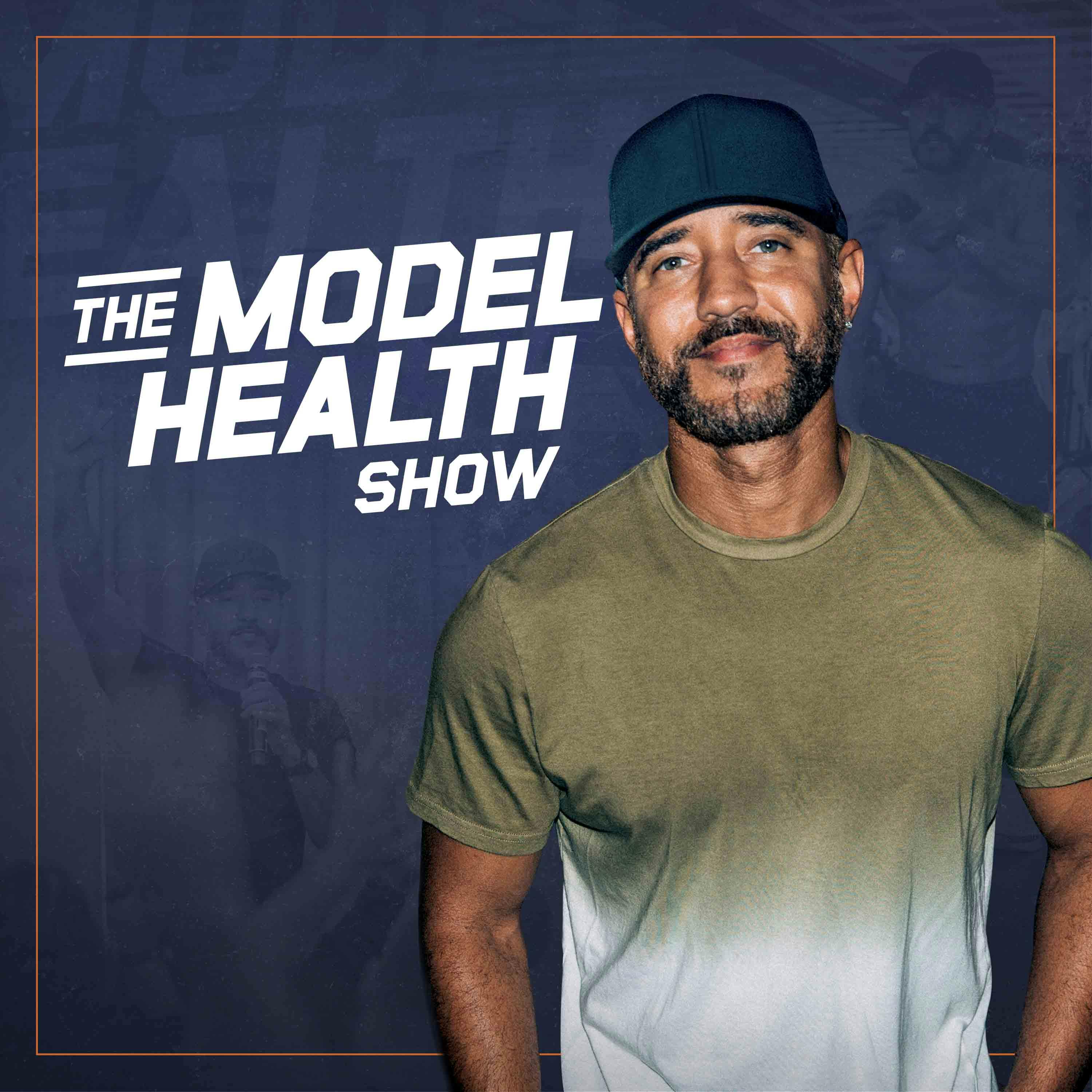
Overview of The Model Health Show with Shawn Stevenson
In this interview with Jen Cohen on Habits and Hustle, Shawn Stevenson breaks down the biggest misconceptions around sleep, wearables, calories, protein, and fat loss. The core message is that sleep quality, circadian rhythm, relationships, and food quality matter far more than most people realize—and that chasing hacks without fixing the basics often backfires.
Key Themes and Main Takeaways
Sleep is a foundational health lever
Shawn emphasizes that sleep affects:
- metabolic health
- cardiovascular health
- hormone balance
- immune function
- body composition
- energy and mood
He argues that sleep is not a luxury—it’s a biological necessity that modern life has made harder to optimize.
Quality of sleep matters more than just hours
A major point throughout the conversation is that sleep quality beats sleep quantity. You can spend 8 hours in bed and still wake up feeling awful if your sleep is fragmented or inefficient.
He also notes that sleep tracking can be useful, but obsessing over scores can create anxiety that makes sleep worse.
Sleep, Circadian Rhythm, and Melatonin
Morning exercise supports better sleep
Shawn cites research showing that working out in the morning may:
- improve sleep efficiency
- support deeper sleep stages
- help regulate cortisol rhythms
- make nighttime sleep more restorative
He contrasts this with late-night intense training, which can leave people “tired and wired.”
Melatonin is misunderstood
Shawn reframes melatonin as:
- a master clock regulator
- a key player in circadian timing
- important for immune function and hormone regulation
- not just a “sleep supplement”
He warns that while melatonin supplementation does not appear to shut down your body’s own production, it may reduce receptor sensitivity over time, making it less effective.
Best use cases for melatonin
He suggests melatonin may be more appropriate for:
- jet lag
- occasional sleep reset
- short-term use in small amounts
He is strongly against routine high-dose use, especially for children, unless there is a clear reason and professional guidance.
Supplements and sleep support
Shawn favors a food-first approach, but mentions a few sleep-supportive options:
- Magnesium — helpful for relaxation and parasympathetic support
- Tryptophan-rich foods — raw material for serotonin and melatonin
- Chamomile — calming and time-tested
- Kava — stronger relaxation support
- Reishi mushrooms — one of his favorite options, with research suggesting better sleep latency, sleep efficiency, and next-day energy
He also highlights that with reishi, sourcing and extraction method matter.
Blue light and sleep disruption
He strongly supports reducing blue-light exposure at night and mentions blue/green-light-blocking glasses as a practical tool for people who must use screens in the evening.
Fat Loss, Calories, and Food Quality
Calories matter—but they’re not the whole story
Shawn doesn’t dismiss calories, but argues that the standard calorie model is incomplete because:
- food labels can be misleading
- the body is not a bomb calorimeter
- absorption varies by food type
- the microbiome and environment affect how calories are used
Ultra-processed food changes metabolism
He cites research showing that ultra-processed meals can temporarily suppress calorie burn compared with whole-food meals, even when calories and macros are similar.
Sleep deprivation changes body composition
One of the strongest examples discussed:
- people in a sleep-deprived condition lost similar weight, but
- those who slept adequately lost 55% more body fat
The implication: poor sleep can push the body toward losing more muscle and less fat.
Sleep loss increases appetite
He also points to the common sleep-deprivation pattern of:
- higher hunger
- more cravings
- worse food choices
- lower inhibition around eating
Protein: Important, But Not a Magic Obsession
Shawn supports protein—but not protein hysteria
He thinks the current protein craze is partly a reaction to years of low-fat and low-carb trends. His view:
- protein matters a lot
- but food quality matters more
- and most people don’t need to micromanage every gram
Why protein matters
He explains protein’s role in:
- muscle maintenance
- hormone production
- enzymes
- tissue repair
- satiety
- stress resilience
Real food usually makes enough protein easier
He argues that if you’re eating mostly whole foods, it’s actually hard to overeat protein. The bigger issue for most people is usually that ultra-processed foods displace nutrient-dense protein intake.
Exercise, Cardio, Walking, and Body Composition
Walking is the most underrated movement tool
Shawn repeatedly favors walking because it aligns with human physiology and tends to be more sustainable than punishing workouts.
He suggests walking is especially useful for:
- fat oxidation
- recovery
- stress reduction
- daily movement consistency
Cardio is context-dependent
He doesn’t reject cardio, but says its value depends on the goal:
- for general health: useful
- for fat loss/body composition: not necessarily the best primary strategy
- for sustainability: walking and strength training often win
Weighted vests may help maintain weight loss
He discusses research suggesting that wearing a weighted vest after weight loss may help the body “accept” the new lower body weight and reduce metabolic slowdown.
His point: the body resists change, and adding load can help signal stability.
Wearables: Helpful or Harmful?
His take: it depends on the person
Shawn is not anti-wearable, but he is cautious.
For some people, wearables:
- increase accountability
- gamify habits
- improve consistency
For others, they:
- increase anxiety
- create obsession
- turn health into a numbers game
- disconnect people from how they actually feel
His warning
One of his strongest lines in the conversation is essentially:
- There’s nothing worse for sleep than creating anxiety about sleep.
He encourages people to pay attention to their body, energy, mood, and performance—not just the dashboard.
Relationships May Be the Biggest Longevity Lever
Strong relationships matter more than almost anything else
Shawn says the number one factor affecting longevity is the quality of your relationships.
He cites a major meta-analysis of 148 studies and over 300,000 people, showing that strong social bonds were linked with:
- about a 50% increase in longevity
- or a 50% reduction in early death from all causes
Why relationships matter
The main mechanism discussed is stress buffering. Healthy relationships help people feel:
- safe
- supported
- seen
- less alone in stressful times
Relationships also improve habits
He adds that relationships influence consistency in:
- exercise
- sleep
- nutrition
He cites studies showing that people who exercise with a spouse or in groups are much more likely to stay consistent.
Supplementation Philosophy
Food first, supplements second
Shawn’s default position is:
- get nutrients from food whenever possible
- supplement only when needed or clearly useful
What he personally uses occasionally
He mentions occasional use of:
- omega-3s
- magnesium
- food-based vitamin C sources like camu camu or amla
- sometimes turmeric or organ blends
He is skeptical of generic vitamin D advice
He notes that supplementing vitamin D blindly can be a mistake, since some people may already have plenty from sun exposure or testing.
Practical Takeaways
Best sleep improvements to start tonight
- Dim lights at night
- Reduce screen exposure before bed
- Avoid late-night intense workouts
- Don’t panic if you wake up in the night
- Focus on consistency, not perfection
- Consider calming tools like chamomile or reishi
- Use melatonin carefully and sparingly, if at all
Best fat-loss priorities
- Sleep well
- Eat mostly real food
- Prioritize protein without obsessing
- Walk more
- Strength train consistently
- Avoid over-relying on calorie counting alone
Best longevity lever
- Invest in relationships and community
Bottom Line
Shawn Stevenson’s message is that health is not about chasing every trend or tracking every metric. It’s about aligning with the basics your body already expects: good sleep, natural light, nourishing food, regular movement, and supportive relationships. The most powerful “biohack” may simply be getting back to human biology.