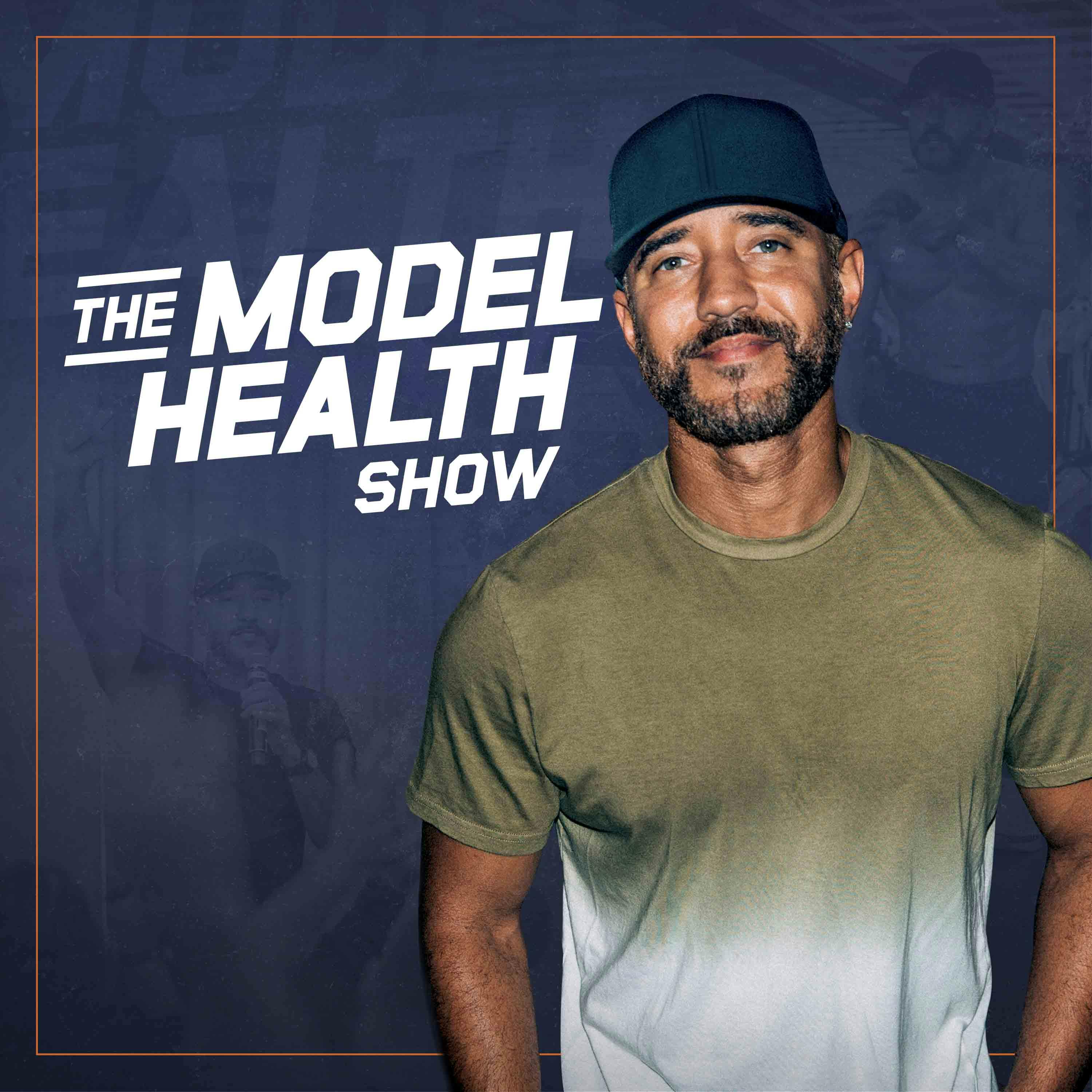
Overview of Does Better Sex = Better Health? The Truth About Sex, Stress, & Satisfaction — The Model Health Show (Shawn Stevenson) with Dr. Nicole McNichols
This episode features Dr. Nicole McNichols — a leading human sexuality professor and author — discussing how sexual health is integral to overall health, why sex remains taboo despite its ubiquity, common myths about sex and pleasure, the role of stress and psychology in desire, and practical, research-backed strategies for better sex. The conversation blends anatomy, social context, and actionable guidance aimed at improving intimacy, wellbeing, and longevity.
Key takeaways
- Sexual health is health: good sexual wellness links to better cardiovascular outcomes, stronger immunity, better sleep, greater wellbeing, and even increased longevity in epidemiological studies.
- Cultural paradox: sex is everywhere in media and porn, yet frank, accurate conversation and education about sex is often absent. This creates shame, unrealistic expectations, and misinformation.
- Porn and media often function as inaccurate scripts — they normalize unrealistic bodies, timing, and dynamics. Problematically, many people use them as how-to guides.
- Pleasure diversity: what feels good varies widely between people and within the same person across time (mood, hormonal cycle, energy, stress).
- Anatomy matters: the clitoris is central to female pleasure; internal clitoral structures overlap with what's been described as the “G‑spot.” Female ejaculation can come from Skene’s glands (near the urethra) but is not a universal or required marker of a “good” orgasm.
- Responsive vs. spontaneous desire: desire and arousal can be out of sync. For many people (especially in long-term relationships), physiological arousal can precede the subjective desire (responsive desire).
- Stress and the mental load are among the biggest barriers to sexual desire, especially for women. Managing stress and prioritizing pleasure are essential.
- Connected sex — presence, authenticity, clear communication, consent — predicts better sexual satisfaction across sexual styles and relationship structures.
Topics discussed
- Physical and psychological health benefits of sex (cardiovascular, sleep, immunity, longevity, mood)
- The paradox of sexual saturation in culture vs. persistent taboo and shame
- Lack of consistent federal sex education in the U.S., and international examples (e.g., Netherlands) showing better outcomes with comprehensive, sex-positive education
- Pornography: nuanced view — not inherently “evil,” but harmful when used as a script; common porn myths and their effects
- Realistic timelines for penetrative sex: research shows average desired duration of penetration is ~6–7 minutes; redefine sex to include foreplay and other activities
- Pleasure diversity and individual anatomy differences (clitoral variability, G‑spot as part of internal clitoral anatomy)
- Clito‑urethral complex and female ejaculation (Skene’s glands)
- Dr. McNichols’ background and teaching (her UW course, the largest in the university’s history)
- The McNichols “Hierarchy of Sexual Needs”:
- Foundation: connect to your body & address stress, shame, body-image
- Middle: emotional/social/communication needs with partners
- Top: exploration/self-actualization (kink continuum, relationship structures)
- Responsive desire and the mismatch between subjective desire and bodily arousal
- Impact of stress, technology, social media, and the “mental load” on desire and sexual functioning
- Practical relationship practices: offloading household labor, gratitude, non-sexual touch (60-second hug, 7-second kiss), and prioritizing regular pleasure
- How menstrual cycle phases affect desire, lubrication, and positioning preferences
Notable statistics & facts cited
- Dr. McNichols’ UW course, The Diversity of Human Sexuality, enrolls ~4,000 students annually.
- Average penis size cited: ~5.5 inches (context used to counter porn-driven expectations).
- Average desired duration of penetrative sex (heterosexual context) ~6–7 minutes.
- Only about 18% of women reliably orgasm from penetration alone; most need clitoral stimulation.
- Anatomical mapping (mid-2000s work by Helen O’Connell and others) showed extensive internal clitoral structures that connect to vaginal tissue — clarifying the anatomical basis of the so-called “G‑spot.”
- No single federally mandated sex education curriculum in the U.S. — states vary widely in provision and content.
Notable quotes / insights
- “Sexual health is so critical to our well‑being, not just physically, but psychologically as well.”
- “Porn in isolation isn’t necessarily evil — the problem is when we use porn as a script.”
- “What feels good to one person might do nothing for the next.” (pleasure diversity)
- “Better sex is connected sex.” (presence, authenticity, communication)
- “Responsive desire” — it’s normal for your body to become aroused before your brain says “yes.”
- “Gratitude is an aphrodisiac.” Small consistent appreciation can boost intimacy and desire.
Practical recommendations & action items
For individuals
- Reframe sex: include foreplay, afterplay, and non-penetrative activities as core components of sexual experience.
- Learn your body: explore (solo or with a trusted partner) to understand what touch, speed, and pressure feel best.
- Use lubrication when needed — especially during luteal/menopausal phases.
- Manage stress: limit late-night social media scrolling; schedule regular pleasure activities (walks, baths, social time, exercise).
- Practice responsive desire: if you’re not feeling instant desire, try initiating safe, low-pressure physical connection (kissing, touching) and allow arousal to build.
- Be curious, not shameful, about fantasies — they’re common and often harmless unless they harm others.
For couples/partners
- Communicate clearly: describe what feels good, what doesn’t, and experiment together.
- Offload mental/household labor where possible — shared responsibility increases emotional availability.
- Prioritize non-sexual touch daily: 60-second hugs, 7-second kisses, foot rubs, cuddling.
- Express gratitude regularly — verbal appreciation is a powerful intimacy enhancer.
- Normalize conversations about menstrual cycles and timing: adjust activities and positions by cycle phase.
For health issues
- Seek medical evaluation for physiological sexual problems: hormone therapy, local estrogen or vaginal moisturizers for women in perimenopause/menopause; evaluation for erectile dysfunction (cardiovascular health, medications).
- Consult licensed sex therapists or medical professionals for persistent issues (pain, low desire, performance difficulties).
Actionable micro‑habits to try this week
- One night: schedule a 20–30 minute “buffet” of non-penetrative touch and intimacy — explore oral, manual, mutual touch, cuddling first.
- Daily: practice a 60‑second hug and at least one genuine “thank you” to your partner for a household contribution.
- Tech hygiene: designate a 60–90 minute no-phone period before bedtime to support presence and sleep.
- Solo work: spend one session exploring sensations on your body (different pressures, locations) to learn what stimulates you.
Resources & where to follow / buy the book
- Dr. Nicole McNichols — book: You Could Be Having Better Sex (available at major retailers; support local bookstores if possible).
- Social: NicoleTheSexProfessor on Instagram and TikTok (Dr. McNichols’ handles).
- Podcast: The Model Health Show with Shawn Stevenson — episode features Dr. McNichols.
- Suggested further reading/action: look for comprehensive sex education resources from public health organizations; consult clinicians for medical concerns.
Final note
The episode reframes sex as a core component of health and longevity, emphasizes personalized discovery over one-size-fits-all scripts, and centers stress management, curiosity, clear communication, and small consistent practices (gratitude, touch, shared labor) as high-leverage ways to improve intimacy and sexual satisfaction.