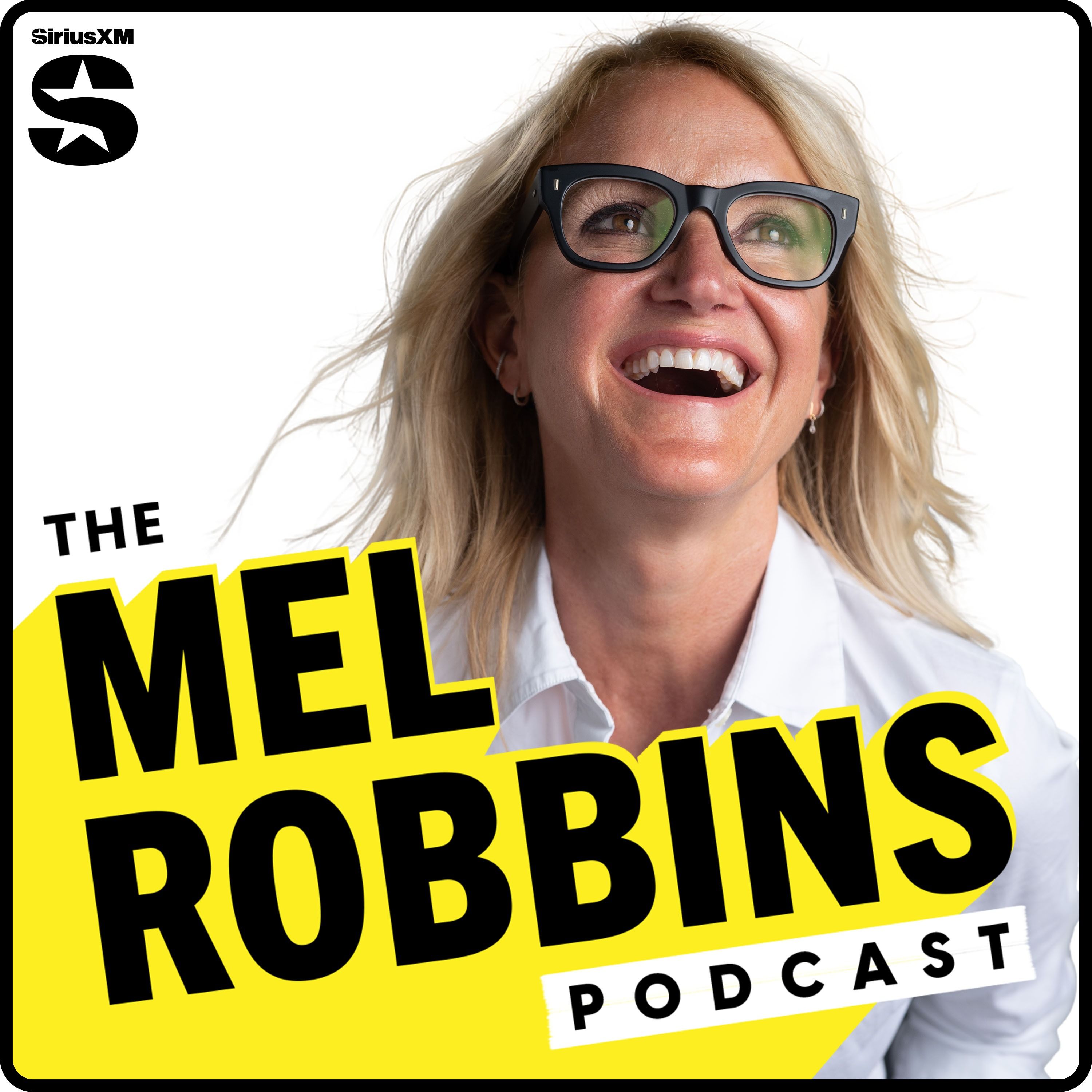
Overview of Organize Your Life & Home: The Simple System That Gives You More Time & Energy with The Home Edit
In this episode of the Mel Robbins Podcast, Mel Robbins talks with Clea Shearer and Joanna Teplin, the founders of The Home Edit, about a simple, low-stress way to organize and declutter your home. Their core message is that organization is not about perfection, expensive containers, or Instagram-worthy aesthetics — it’s about creating mental clarity, saving time, reducing stress, and giving yourself more energy, space, and peace.
Main Takeaways
- Organization is self-care. A clutter-free home supports a clutter-free mind.
- The goal is not perfection. The Home Edit’s polished images are their portfolio, not a standard you have to live up to.
- Start small. Don’t tackle a whole room or whole house. Start with one drawer.
- Editing comes first. Before organizing, decide what stays and what goes.
- Every item should have a home. If something is free-floating, it’s more likely to become clutter.
- Use the 80/20 rule. Keep spaces about 80% full so there’s room to breathe.
- Simple systems beat complicated systems. If a system is too hard to maintain, it will fail.
The Home Edit Method: “Edit” First, Then Organize
Clea and Joanna repeatedly emphasize that the most important part of organizing is the edit:
What “editing” means
Editing is the act of removing what doesn’t belong, what you don’t need, and what no longer serves you.
An item should generally fall into one of these categories:
- Need it
- Use it
- Love it
- Sentimental — but only if it is truly honored, stored properly, or displayed intentionally
The big rule
- If it’s sentimental, it should be respected.
- If it’s just shoved in a drawer or back corner, it may not actually be meaningful enough to keep.
How to Start Without Feeling Overwhelmed
The hosts stress that people get stuck because they try to do too much at once. Their advice:
- Start with a drawer, not a room
- Start with a non-emotional space
- Do 10–15 minutes at a time
- Do not take out more than you can put back the same day
This makes the process feel manageable, sustainable, and rewarding instead of overwhelming.
Practical Organizing Rules Shared in the Episode
1. Nothing belongs on the floor
If it’s on the ground, it should probably be in a bin, basket, hook, or shelf.
2. Use vertical space
Look up and use:
- Hooks
- Floating shelves
- Over-the-door organizers
- Wall-mounted storage
3. Don’t fight the tide
If your family naturally drops shoes, bags, or mail in a certain place, build a system around that behavior instead of trying to force a different one.
4. Use trays and baskets for catch-all spots
Great for:
- Keys
- Wallets
- Loose daily items
5. Labels are instructions
Labels are not just decorative — they tell the whole household where things go.
What They Recommend for Specific Areas
Entryway / mudroom / “Grand Central”
- Remove anything that doesn’t belong
- Add hooks for jackets
- Add bins for shoes
- Use a tray for mail and keys
- Keep the area simple and realistic
Kitchen island / counters
- Don’t let things become free-floating clutter
- Create a home for papers, pens, glasses, and keys
- Keep only what actually belongs there
Junk drawer
Their step-by-step method:
- Take everything out
- Sort into categories
- Return only what fits the drawer’s purpose
- Relocate items that belong elsewhere
- Trash or donate the rest
This process makes even a chaotic drawer feel manageable and gives you a fast win.
Closet
Closets are “landmine” spaces because they trigger emotions:
- Clothes that no longer fit
- Items bought with guilt
- Clothes tied to identity, weight, money, or life transitions
Their advice:
- Start small
- Sort by category
- Ask: Do I want the item, or do I want the space?
- Don’t let “should” drive your decisions
Guilt, Shame, and Self-Worth
A major theme of the conversation is that clutter is not a character flaw.
The hosts work to remove shame around:
- Having clutter
- Buying things you didn’t end up using
- Keeping sentimental items
- Feeling overwhelmed by your home
They repeatedly reassure listeners:
- You did your best
- You are not your mess
- You deserve peace, not judgment
Maintenance: Why Mess Comes Back
They explain that organization is not a one-time event — it’s more like exercise.
To keep things organized:
- Use realistic systems
- Keep categories simple
- Revisit spaces regularly
- Don’t make the process too complicated
- Expect maintenance, not permanence
If the mess comes back, the system needs to be simplified.
Notable Insights
- “You don’t have time to not be organized.”
- “The edit is the magic.”
- “Do I want the item, or do I want the space?”
- “Clutter is not a character flaw.”
- “Any amount of effort is enough.”
- “Start with something that’s for you.”
Action Items / Simple To-Do List
If you want to apply this episode right away:
- Pick one drawer
- Pull everything out
- Sort into need / use / love / sentimental
- Remove items that don’t belong
- Create a simple home for what stays
- Use trays, bins, hooks, or shelves if needed
- Repeat with one small area at a time
- Focus on progress, not perfection
Bottom Line
This episode reframes organizing as a practical, empowering act of self-care. The Home Edit’s message is simple: you don’t need more storage products — you need a better system. Start small, remove guilt, and create spaces that support your real life.