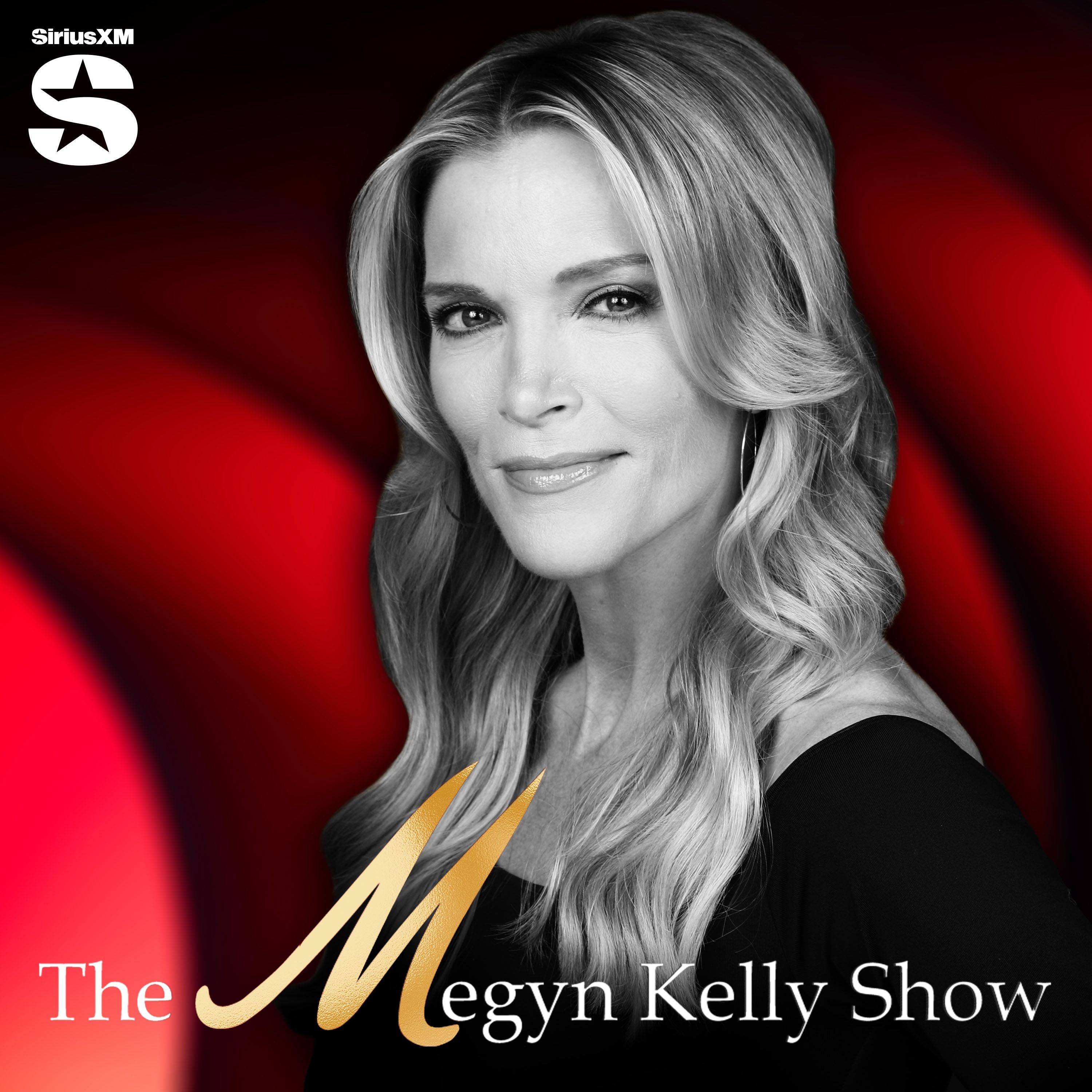
Overview of The Megyn Kelly Show — Ep. 1287
Megyn Kelly’s episode covers two linked strands: explosive administration politics (reports that President Trump is planning personnel changes, including firing Attorney General Pam Bondi and possibly replacing DNI Tulsi Gabbard) and U.S. policy and messaging around the Iran escalation (“two to three weeks” talking point). The show pairs a panel reaction (Sohrab Ahmari of UnHerd and Sean Davis of The Federalist) with an in-depth interview with former CIA counterterrorism officer and whistleblower John Kiriakou, who discusses torture disclosures, MKUltra, intelligence oversight, and modern surveillance threats.
Main news items discussed
- Reports that President Trump is planning to remove Attorney General Pam Bondi; possible acting replacement Todd Blanche and rumored permanent option Lee Zeldin.
- The Guardian reporting Trump privately polling advisers about replacing Director of National Intelligence Tulsi Gabbard — reportedly tied to her handling/defense of former aide Joe Kent and perceived reluctance to back the administration’s Iran actions.
- Continued fallout and confusion around the administration’s Iran policy: public messaging about objectives, timetables (“two to three weeks”), threats to strike infrastructure (including the electrical grid), and debate over whether Trump intends to de-escalate or escalate.
Panel reaction — key takeaways (Sohrab Ahmari & Sean Davis)
- Bondi’s removal:
- Panelists argue Bondi combined loyalty with poor competence; Epstein handling and public PR blunders damaged Trump politically.
- Behind-the-scenes failures highlighted: weak antitrust enforcement (Gail Slater’s demotion/firing cited), mishandling of Epstein-related disclosures, PR stunts (binders, public promises she couldn’t deliver).
- Bondi perceived as a political liability given unmet promises to the base and courtroom/judicial setbacks.
- Tulsi Gabbard/DNI rumors:
- Trump’s polling of advisers seen as indicative he’s seriously considering changes; concern that firing Tulsi would alienate the restraint/anti-intervention wing of the GOP.
- Panelists debate loyalty vs. conscience for staffers — whether staff should quietly resign if they oppose major policy choices (e.g., war with Iran) or publicly dissent.
- Iran policy and “two to three weeks”:
- Mixed reads of Trump’s address: some hopeful it signals winding down; others worried it’s a head-fake and escalation remains possible.
- Concerns about the escalation trap: incremental steps that can lead to larger deployments or long-term conflict; risks of island/shore landings or special-forces raids.
- Political cost domestically: messaging shift (private comment that Medicaid/Medicare/daycare should be state responsibilities) plus the war distracting from the domestic agenda that won Trump key voters.
- Judicial/strategic miscues:
- Panelists flagged “judicial insurrection” — a strategy critique that the administration mishandled the judicial pushback early on, creating strategic vulnerabilities.
Notable quotes from the episode
- Pam Bondi on Epstein: “It’s sitting on my desk right now to review” — cited as an embarrassing moment when the promised transparency did not materialize.
- On the Iran timeline: Panelists repeatedly referenced reporting and statements that the president suggested “two to three weeks” for military objectives.
- John Kiriakou on infrastructure strikes: calling threats to attack Iran’s electrical grid “quite literally a war crime.”
- On MKUltra and CIA culture (Kiriakou): “Our job is to break the law” — reported as something trainees were told in training; he clarified context was overseas operations, not domestic.
John Kiriakou interview — summary & highlights
- Background:
- Former CIA officer; rose to chief of counterterrorism operations in Pakistan after 9/11.
- First U.S. official to publicly confirm CIA use of waterboarding (2007 interview). Later charged under the Espionage Act, pleaded guilty to revealing identities of covert officers, and served about two years in prison. Kiriakou sees his disclosures as whistleblowing and has no regrets.
- Waterboarding and interrogation:
- Kiriakou initially supported harsh techniques after 9/11 but later reversed his view, saying waterboarding “probably something we shouldn't be in the business of doing” and that it compromised American principles while also claiming it had yielded intelligence.
- MKUltra overview (concise history & abuses he outlines):
- Originated in early 1950s; driven by fear the USSR/China were experimenting with mind control.
- CIA experiments included covert dosing with LSD (often without consent), safe-house experiments in cities (e.g., San Francisco), attempts to disperse psychotropic substances, and other ethically reprehensible tests. Congress’s Church Committee exposed abuses in the 1970s, but many documents were destroyed.
- Surveillance, tech, and illegal domestic activity:
- Kiriakou warns modern tools (car hacks, smart TVs, phone surveillance) mean agencies can do highly intrusive operations. He references Vault 7/WikiLeaks as evidence the CIA can remotely control devices.
- He asserts the CIA is legally restricted from domestic operations but says in practice the line blurs and oversight is weak.
- Israel, U.S. policy influence, and intelligence relationships:
- Describes long-standing Israeli pressure on U.S. presidents to act against Iran; claims intelligence assessments historically downplayed Iran’s nuclear weapons progress while Israeli claims often exaggerated.
- Expresses negative experience with Israeli intelligence; cites instances of spying and infiltration concerns.
- Institutional problems and lack of oversight:
- Kiriakou argues Congress is largely deferential to intelligence agencies; members fear retaliation (security clearance threats) and therefore underperform oversight duties.
- He recounts examples of illegal CIA/CIA-era practices (domestic files, MKUltra destruction of records) as reasons for public distrust.
- Personal security and life after CIA:
- He says living as a public whistleblower has made him cautious (avoiding smart devices, limited tech use) and that disclosure sometimes made him safer publicly but required personal sacrifices (marriage breakdown, prison).
Implications & listener takeaways
- Administration volatility: personnel moves (Bondi, possible DNI changes) reflect internal tensions over loyalty, competence, and policy execution; these moves can shift both policy and political coalitions.
- Iran policy remains ambiguous: the “two to three weeks” framing could be a genuine attempt to cap escalation or a prelude to more action; the risk of getting trapped into larger commitments persists.
- Domestic politics and messaging: war distractions and mixed signals about entitlements could erode margins with swing subgroups that helped Trump win — young men, Hispanic voters, working-class voters.
- Intelligence accountability: Kiriakou’s interview reinforces long-running concerns about insufficient congressional oversight, historical abuses (MKUltra), and modern surveillance capacity — all of which fuel distrust and require transparency and reform.
- Media and influence: panelists and Kiriakou both highlight the power of outside voices (commentators, foreign partners) and interest groups in shaping U.S. policy decisions.
Actions / recommendations suggested implicitly by guests
- Demand greater transparency and congressional oversight of intelligence activities and past abuses (MKUltra, interrogation, warrantless tech operations).
- Watch personnel changes closely — DOJ and intelligence leadership shifts will materially affect prosecutions, antitrust enforcement, national-security posture, and messaging.
- Monitor Iran developments critically: parse rhetoric vs. concrete actions (troop deployments, specific operational objectives), and press for clarity on mission, timelines, and costs.
- For listeners concerned about surveillance: reduce use of always-on smart devices where possible and stay informed about privacy risks and legislative protections.
Quick reference — who said what
- Sohrab Ahmari (UnHerd): criticized Bondi’s competence, flagged antitrust failures and cronyism under DOJ, warned about political fallout.
- Sean Davis (The Federalist): emphasized strategic mistakes (judicial approach, Epstein fallout), saw Trump as politically responsive and possibly wrapping up Iran action.
- John Kiriakou (former CIA): recounted CIA history (MKUltra), defended his whistleblowing on interrogation, warned about modern surveillance and poor oversight, criticized Israeli influence on U.S. Iran policy.
This episode blends immediate political fallout (DOJ shakeups, DNI rumors) with broader national-security and civil-liberties questions — a reminder that personnel and messaging choices inside an administration intersect with long-term institutional questions about intelligence, oversight, and the limits of state power.