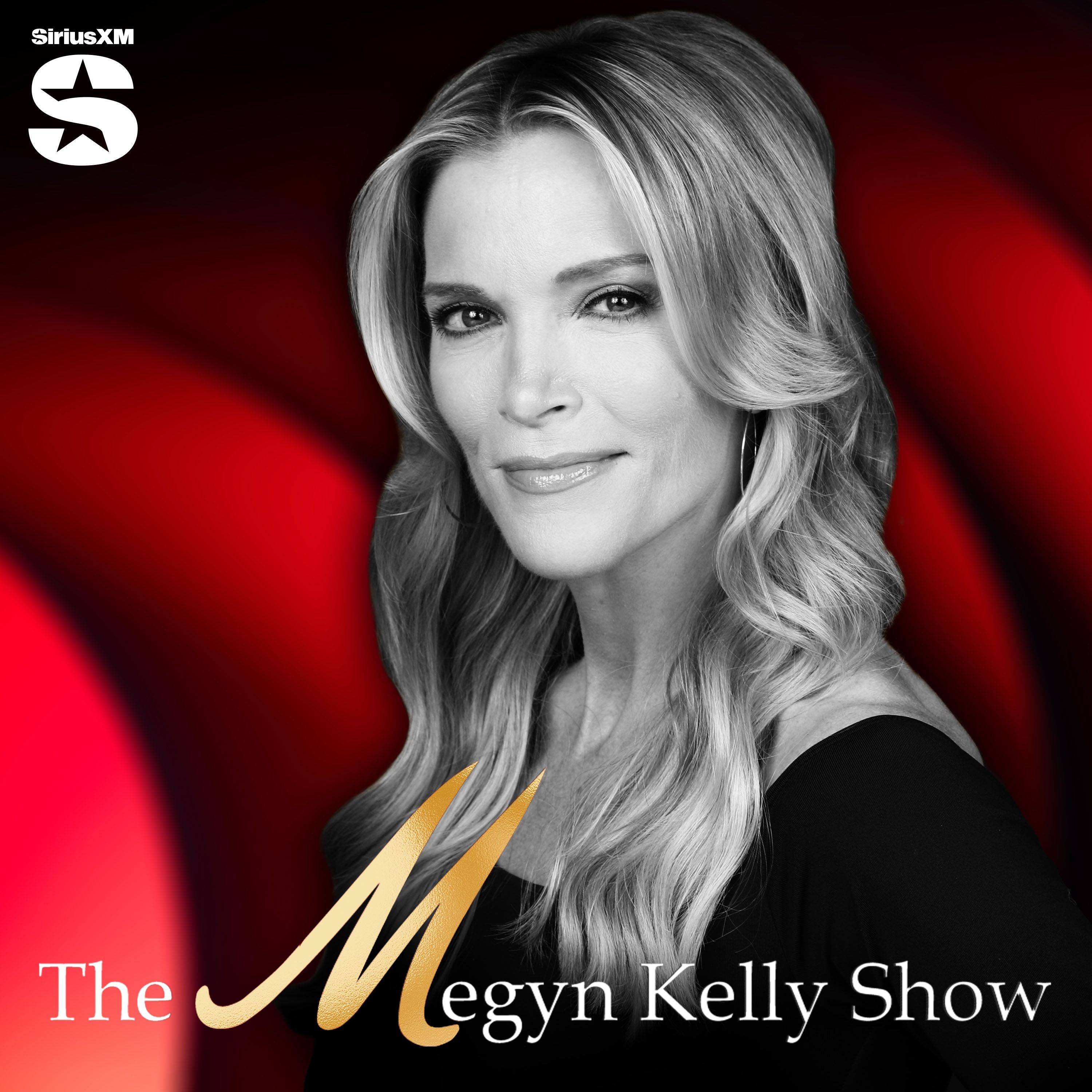
Overview of The Megyn Kelly Show — Ep. 1196 (guest: Emily Jashinsky)
This episode (Megyn Kelly Show, SiriusXM) features Megyn Kelly with guest Emily Jashinsky. The pair review several high‑profile culture and media stories: Olivia Nuzzi’s Vanity Fair excerpt and her alleged digital affair with RFK Jr., Ryan Lizza’s public response and new allegations about Nuzzi’s conduct when reporting on candidates, reporting about the Butler, PA Trump shooter’s online footprint and unanswered questions about FBI handling, attacks on Buckley Carlson (Tucker Carlson’s son) and JD Vance’s defense of staff, the cancellation of Red Scare co‑host Dasha Necrosova, and bigger debates about cancel culture, platforming (Nick Fuentes), and the social crisis facing young men.
Key topics discussed
-
Olivia Nuzzi / RFK Jr. drama
- Vanity Fair excerpt and New York Times profile describing Nuzzi’s infatuation with RFK Jr., alleged “digital” affair (texts, calls) and claims it may have derailed her New York Magazine career.
- Nuzzi rehired by Vanity Fair and publishing memoir American Canto; controversy over journalistic ethics and whether she slept with subjects.
- Ryan Lizza’s new essay (on his Substack/Telos) alleging additional affairs and a love letter addressed to a “Mark” (allegedly Mark Sanford) — claims Nuzzi slept with a subject while covering him.
-
Journalism ethics, power imbalances, and public reaction
- Debate about whether Nuzzi’s behavior is a personal matter or a professional conflict (sleeping with sources).
- Discussion of industry hypocrisy and how career trajectories can be affected by personal scandals.
-
Butler, Pennsylvania shooter (Thomas Matthew Crooks) — digital footprint and FBI questions
- Reporting by Tucker Carlson, Miranda Devine and independent journalists that Crooks had a broad online presence, a leftward turn in rhetoric, violent art/posts, use of they/them pronouns, and links to furry/trans communities.
- Host and guest question why the FBI has been silent/nontransparent about those aspects and note congressional frustration with FBI cooperation.
-
Attacks on Buckley Carlson and JD Vance’s response
- Buckley Carlson (Tucker’s son) is working for Vice President JD Vance; activists/journalists have targeted him with allegations by association.
- JD Vance publicly defended his staff, calling the attacks lies and vowing to push back.
- Debate over whether public figures (Vance) should publicly distance themselves from friends/hosts (Tucker, guests like Nick Fuentes) and how to handle allied but controversial personalities.
-
Cancel culture in entertainment / Red Scare example
- Dasha Necrosova (Red Scare) reportedly dropped by agency and a film after persistent complaints/harassment by a producer; discussion about whether artists/podcasters should be punished for platforming controversial figures.
- Argument about artist vs. “moral actor” expectations and how deplatforming is applied unevenly.
-
Nick Fuentes, “Groypers,” and prevalence among young conservative staffers
- Claims (Rod Dreher referenced) that a large share of Gen Z GOP staffers follow Fuentes; Emily’s reporting found those numbers greatly exaggerated (likely not 30–40%).
- Emphasis on showing sourcing and rigor when making such claims.
-
Social trends for young people
- Bill Ackman’s “may I meet you?” dating advice and discussion about a broader social crisis: remote work, lower rates of meeting partners, demonization of alcohol (Bill Maher / Scott Galloway points on social lubrication).
Main takeaways
- Olivia Nuzzi story: it’s messy, personal, and plausible according to hosts; raises genuine journalistic‑ethics questions if she had sexual relationships with reporting subjects. Both Megyn and Emily stress Nuzzi’s talent but note a recurring pattern that could be self‑destructive professionally and personally.
- Ryan Lizza’s disclosures complicate the narrative. Megyn criticized Lizza for airing private details in a way that doesn’t necessarily restore his reputation; Emily says his anger is understandable but airing everything has costs.
- Butler‑shooter reporting: significant unanswered questions about the shooter’s online activity and whether the FBI missed or withheld evidence. The hosts frame the FBI’s silence as unacceptable given the gravity (attempted assassination of a president).
- Attacks on Buckley Carlson are unfair and reflect guilt‑by‑association tactics. JD Vance’s public defense of staff is framed as a necessary stand against smear campaigns.
- Cancel culture inconsistency: artists/podcasters are being held to political/moral standards beyond their roles; targeted campaigns (e.g., Dasha) show how pressure can force agencies/productions to drop talent.
- Claims of widespread Groyper/Fuentes influence inside GOP staff should be scrutinized and evidenced before being amplified; Emily’s reporting suggests the phenomenon exists but is smaller than some alarmist numbers.
- Broader cultural context: social isolation (remote work, demonizing social lubricants) is harming young people’s ability to meet and form relationships.
Notable quotes & moments
- From the Vanity Fair excerpt that sparked debate (quoted in the show): “He desired. He desired desiring. He desired being desired. He desired desire itself.” — used to describe RFK Jr.’s appetite and allure to Nuzzi.
- Megyn: “You lose them how you get them.” — shorthand for hypocrisy around how affairs began.
- Emily: “These would be people you wouldn't want to babysit your children” — blunt characterization of behaviors in the Nuzzi/Lizza orbit.
- On the Butler shooter/FBI: “Two possible explanations. Neither of them is good.” — framing the problem: either FBI didn’t see the online footprint or it’s withholding information.
- JD Vance defending his staff: “I have zero tolerance for scumbags attacking my staff.”
Practical recommendations / journalistic norms emphasized
- Journalists should avoid sexual/romantic relationships with reporting subjects — it’s a clear conflict of interest and undermines trust.
- When making claims about extremist influence (e.g., Groypers/Nick Fuentes), reporters and commentators should show methodology and sourcing; avoid extrapolating from a few insiders to broad percentages.
- Public figures and newsrooms should call out dishonest or sloppy attacks on junior staff; simple verification (e.g., two people with same name) would prevent mis‑targeting.
- For serious criminal investigations: insist on transparency from law enforcement (FBI) where possible — especially when public safety and political violence are involved.
Bottom line
This episode blends a gossip‑charged media scandal (Olivia Nuzzi / RFK Jr. / Ryan Lizza) with harder reporting concerns (Butler shooter online trail and FBI transparency), and cultural debates about cancel culture, platforming controversial figures, and the social isolation of young people. Megyn and guest Emily Jashinsky treat the Nuzzi story as both personally messy and professionally consequential, press for more transparency and accountability in the Butler‑shooter investigation, defend staffers unfairly targeted online, and urge careful, evidence‑based reporting rather than broad, sensational claims.