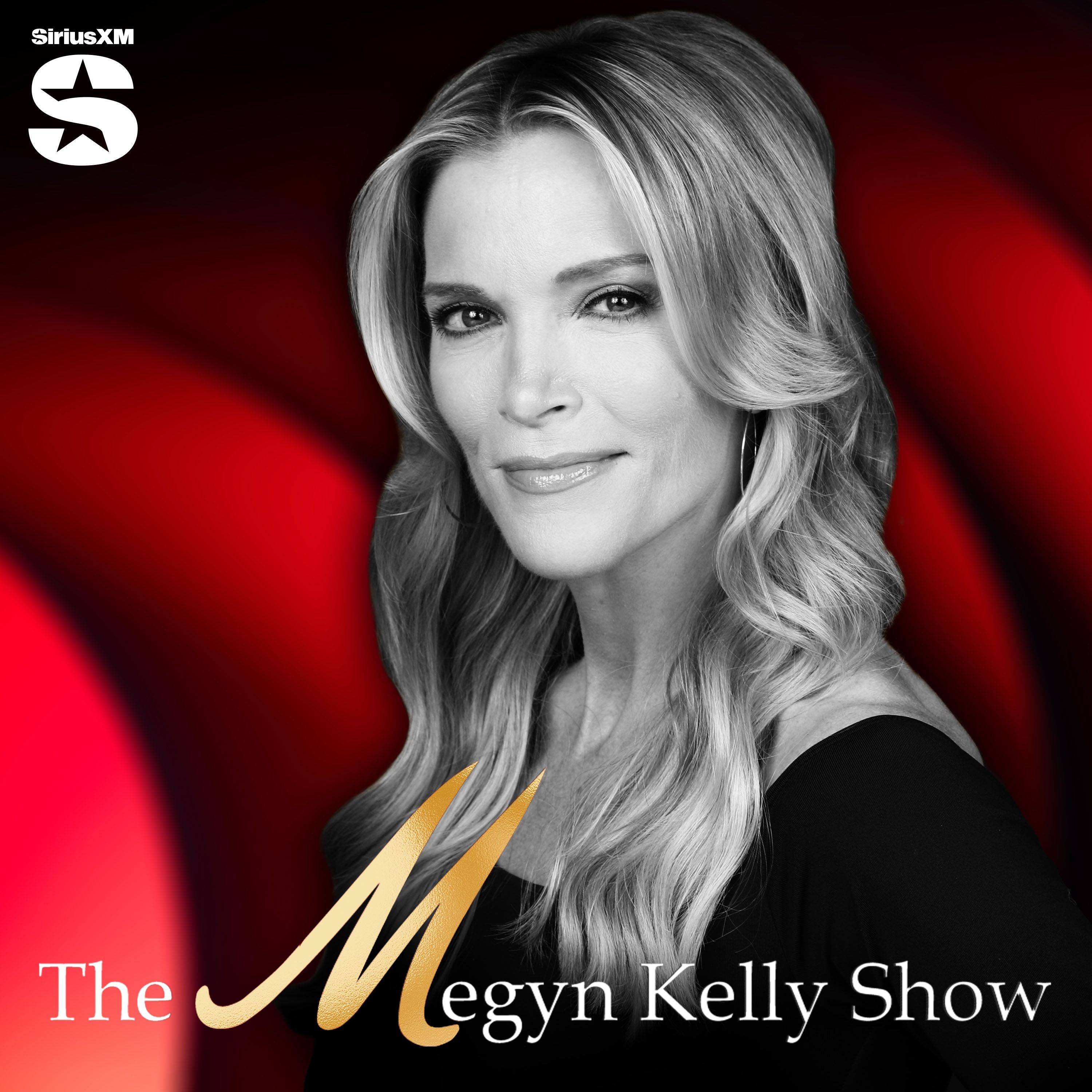
Overview of New Details About Epstein's REAL Associations, and Meghan Deleted From Kardashian Pics — The Megyn Kelly Show (Ep. 1193)
This episode of The Megyn Kelly Show (guest: Maureen Callahan) focuses on new material related to Jeffrey Epstein — unreleased tapes, email exchanges, and who around Epstein may have been advising him — and pivots into celebrity culture coverage (Meghan Markle/Kardashians, Kim Kardashian’s law efforts, Michelle Obama, Apple Martin/Gwyneth Paltrow). The show summarizes what’s publicly come out (Michael Wolff excerpts shared last fall), what Megyn Kelly’s team has heard (additional April 2019 tapes), and the ethical/PR questions those materials raise. Maureen Callahan adds cultural commentary and critiques of the major figures discussed.
Key takeaways
- Michael Wolff released small Epstein tape excerpts Oct 31, 2024; The Daily Beast published ~1 hour 44 minutes shortly after. Wolff claims to possess up to ~100 hours of Epstein recordings.
- Megyn Kelly’s team has heard additional Epstein audio (including an April 2019 meeting) that has not been publicly released; that session featured Epstein, Steve Bannon, Michael Wolff and — Kelly identifies — former Obama White House counsel Kathy Ruemmler.
- The April 2019 audio captures PR/rehab planning for Epstein (media training, who could give a sympathetic interview, even suing Miami Herald). The tape includes disturbing admissions and crude, grooming-adjacent comments from Epstein about how he met and “focused” on young women.
- Email excerpts (2015–2016) show Wolff advising Epstein on how material about Donald Trump might be used; Wolff’s role appears part adviser/PR to Epstein in addition to being a reporter, raising ethical questions.
- The show poses the key question: if there were a “smoking gun” tying Trump to criminal conduct, why weren’t the most damning tapes released before elections? Kelly argues that’s evidence there likely isn’t such a tape.
- Broader point: Epstein was deeply networked across political and media circles on both sides of the aisle; released emails implicate many prominent people (e.g., Larry Summers, Alan Dershowitz, Prince Andrew, Kathy Ruemmler), complicating any simple partisan narrative.
- The episode pivots to celebrity culture: Meghan/Prince Harry/Kardashians fallout, Kim Kardashian’s bar exams and legal apprenticeship, Michelle Obama’s recent commentary on beauty, and Apple Martin/Gwyneth Paltrow family headlines — all used to illustrate modern fame, identity and hypocrisy.
Epstein tapes, Wolff and the April 2019 audio (what was reported/heard)
-
Timeline recap:
- 2007–2008: Earlier criminal case; Epstein’s 2008 plea deal (criticized as a “sweetheart deal”).
- 2018: Julie K. Brown (Miami Herald) reopened public scrutiny that ultimately led to renewed investigations.
- Oct 31–Nov 2, 2024: Michael Wolff released a short podcast clip and shared longer material with The Daily Beast; the Beast published details and two excerpts alleging Epstein described Trump as charming but unscrupulous and told stories about alleged schemes to procure sex.
- Megyn Kelly claims her team heard other recordings — notably an April 2019 meeting — that have not been publicly released.
-
April 2019 meeting (as described by Kelly & what she and Maureen report having heard):
- Participants on the tape: Jeffrey Epstein; Steve Bannon; Michael Wolff; Kelly identifies the fourth participant as former Obama White House counsel Kathy Ruemmler (Ruemmler served as White House Counsel under Obama).
- Purpose: brainstorming PR strategies to rehabilitate Epstein’s image after the Miami Herald reporting and before his 2019 arrest.
- Topics discussed: media-training, potential interviewers (Charlie Rose, Gayle King, 60 Minutes), avoiding videotape (Ruemmler’s concern about subpoenas), possibly suing the Miami Herald, and a “practice” interview role-play (Bannon as interviewer).
- Content on tape: Epstein’s disturbing comments about women and students (grooming-adjacent remarks), racist tropes about Black students, attempts to craft remorseful messaging — plus moments of flippancy (who would play him on SNL).
- Resulting questions: Why was a journalist (Wolff) advising Epstein? Why were political figures present? Why are more tapes and related materials unreleased?
-
Wolff’s role and emails:
- Emails from Dec 15–16, 2015 and Oct 2016 show Wolff conversing with Epstein about media strategy and potential timing to “come forward” re: Donald Trump; Wolff appears to have counseled Epstein on PR positioning — raising ethical issues for Wolff as an author/journalist.
-
Other tapes mentioned:
- Steve Bannon reportedly has hours of tapes and a documentary trailer that was never released.
- Wolff claims ~100 hours of Epstein recordings but publicly released only a sliver; Kelly questions why the more damaging content wasn’t produced before high-stakes political moments if it existed.
Emails and notable associations highlighted
- Kathy (Katherine) Ruemmler: identified by Kelly as the “White House counsel” on the 2019 tape; she appears in released email correspondence with Epstein. The presence of a former Obama White House Counsel in these private rehab discussions drew attention.
- Alan Dershowitz: earlier known as Epstein’s lawyer and architect of the 2008 deal; mentioned in the episode as part of the legal history.
- Larry Summers: discussed in the show as corresponding with Epstein (reports of Summers seeking dating advice/emails in 2017–2019 surfaced and were criticized).
- Prince Andrew: emails and tape content include back-channel efforts and denials tied to the Virginia Giuffre allegations; some exchanges may be helpful to Andrew’s legal posture, others confirm the photo authenticity.
- Julie K. Brown (Miami Herald): credited with the 2018 reporting that renewed scrutiny of Epstein’s 2008 plea.
Main questions & criticisms raised on the show
- If Wolff truly had tapes showing criminal sexual behavior by others (Trump or anyone else), why were the most damaging parts not released earlier — especially before the 2024 election?
- Why did a journalist (Michael Wolff) act in a PR/advisory capacity to Epstein and then present himself publicly as reporting on the same subject?
- Why are many tapes, Bannon footage, and DOJ documents still unreleased? Who controls the remaining material and what will be made public?
- Why did so many prominent public figures maintain relationships with Epstein long after public allegations emerged?
Maureen Callahan’s cultural commentary — highlights
- Michael Wolff: called out as unreliable and ethically compromised — accusing Wolff of playing both PR adviser and journalist.
- Celebrity culture theme: many public figures cling to fame or validation; the show links Epstein’s social ecosystem with celebrity dysfunction and moral compromises across political lines.
- Meghan Markle / Prince Harry:
- Meghan allegedly asked Kardashian/Jenner to remove photos from Kris Jenner’s 70th birthday; Kelly/Callahan argue the complaint was tone-deaf given the “cost of entry” to Kardashian events and the paparazzi-friendly nature of the night.
- The hosts criticize Meghan for perceived hypocrisy and for seeking attention while objecting to its consequences. They also point to Harry’s reportedly awkward behavior in photos (ogle at Kris Jenner) as a reason Meghan might have been upset.
- Meghan’s product tie-ins (marmalade, candles) and lifestyle tips (bagel/cream cheese smear, “pretzel trick”) are mocked as trivial or poorly executed.
- Kim Kardashian:
- Her legal apprenticeship/apprenticeship route in California and repeated failures of the “baby bar” / eventual bar exam failure were discussed — framed as emblematic of celebrity entitlement and limits of reinvention.
- Michelle Obama:
- Criticized by Callahan for recent public comments about representation and “beauty” that she (Callahan) finds regressive or overblown.
- Apple Martin / Gwyneth Paltrow:
- Apple alleged to have been involved in bullying episodes at prep schools; the hosts discuss the danger of fame and the role of celebrity parents in pushing their children into spotlight careers they may be unprepared for.
- “Fakesgiving” anecdote:
- Light humanizing segment: Megyn and Maureen describe an alternative Thanksgiving tradition (practical hosting tips, social hacks).
Notable quoted or paraphrased lines from the episode
- Michael Wolff (as quoted in the episode): “I probably have 100 hours of Epstein talking about the inner workings of the Trump White House…” — Wolff’s claim that drives much of the public interest.
- Megyn Kelly: “I think it’s clear he would have released it.” (referring to the alleged ‘smoking-gun’ tape) — encapsulates the show’s skepticism that an undisclosed tape exists proving criminal activity by Trump.
- A central refrain: the Epstein story “has been bastardized into a Trump story” — Kelly argues media coverage sometimes focuses on political advantage instead of victims and accountability.
Practical next steps / further reading (recommended sources mentioned)
- Read Julie K. Brown’s Miami Herald series on Jeffrey Epstein (investigative reporting that reopened scrutiny).
- The Daily Beast’s November 2024 reporting on Wolff’s Epstein tapes (1 hr 44m excerpt coverage).
- Michael Wolff’s Fire and Fury podcast excerpt (Oct 31, 2024) and his books (Fire and Fury; Too Famous) for original claims and Wolff’s own framing.
- Congressional/House Oversight notices: subpoenas or releases tied to Epstein estate and emails (watch for public releases and redactions).
- Track reporting about: Steve Bannon’s Epstein footage/documentary; Kathy Ruemmler’s public statements (if any); DOJ/ DOJ document releases related to Epstein’s estate and investigations.
Bottom line / closing summary
- The episode surfaces new and alleged-to-exist Epstein materials that raise ethical and political questions: who advised Epstein, who had access to his recordings, and why more tapes have not been released.
- Megyn Kelly and Maureen Callahan emphasize that Epstein’s connections spanned political and media elites; they criticize selective media framing that reduces the story to partisan advantage rather than victim accountability.
- The show also uses Epstein’s network to pivot into broader cultural critique — celebrity reinvention, performative activism, and the hazards of fame — with pointed takes on Meghan Markle, the Kardashians, Michelle Obama, Kim Kardashian, and celebrity parenting.