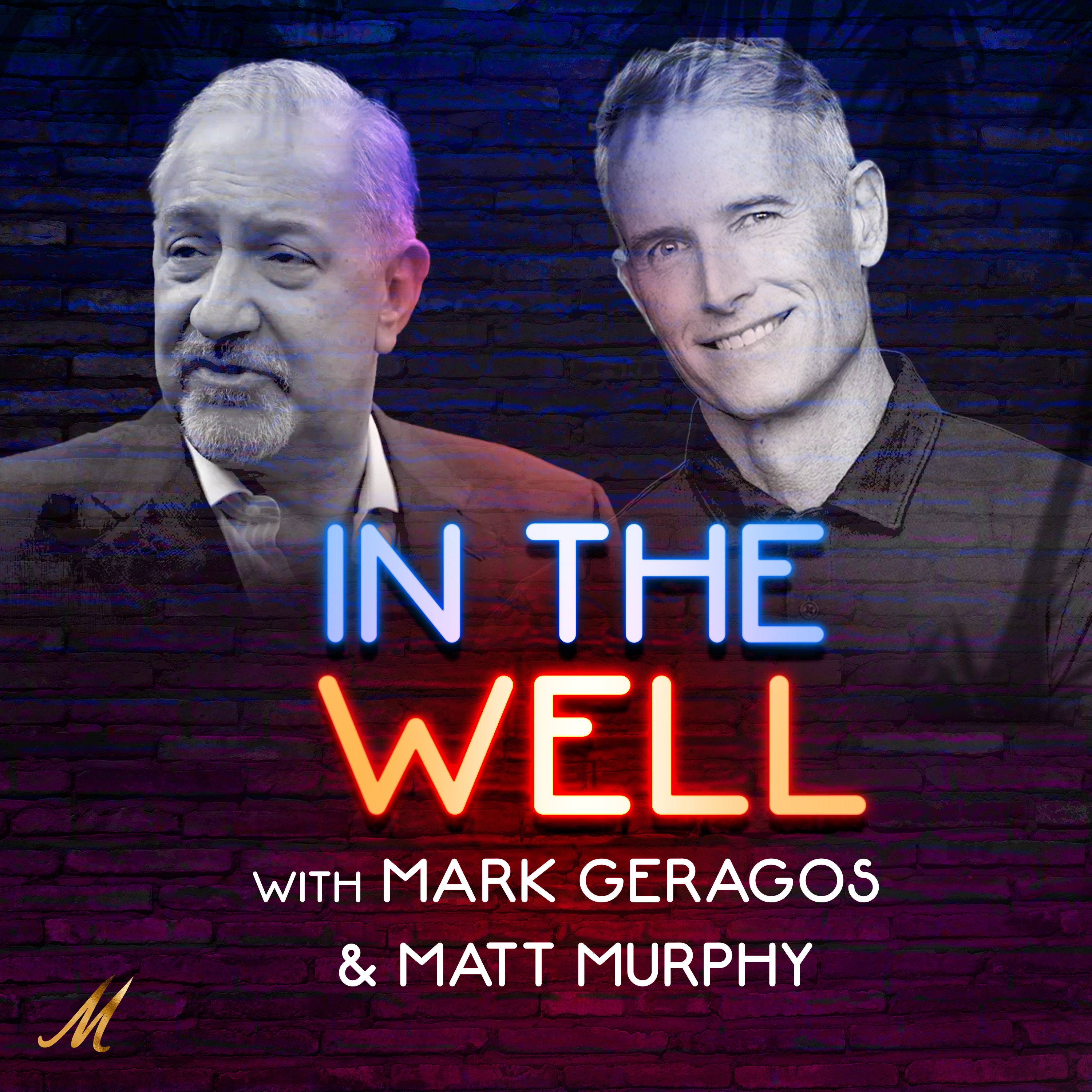
Overview of In the Well
This episode of SiriusXM’s In the Well centers on the “Cornell 7” case and features a wide-ranging legal discussion between Mark Geragos and former sex-crimes prosecutor Matt Murphy. The conversation blends procedural analysis with a broader defense of due process, arguing that outrage over alleged sexual assault cannot replace the evidentiary standards required to file and prosecute a criminal case.
The episode also includes some lighter opening banter about Murphy’s surfing trip to Indonesia, but quickly turns into a deep dive on prosecutorial ethics, Title IX investigations, and the public backlash around fraternity culture.
Core Legal Takeaways
Prosecutors must separate emotion from proof
Murphy repeatedly stresses that a prosecutor’s job is not to punish people because they are “bad” or unpopular. To ethically file charges, a prosecutor must:
- Believe the accused actually committed the offense
- Believe the evidence can prove guilt beyond a reasonable doubt
His central point: even in deeply disturbing sex-assault allegations, outrage is not evidence.
“Mob justice” is still injustice
Both Geragos and Murphy argue that once prosecutors or civil lawyers start bending process to satisfy public anger, they undermine the fairness of the system. Murphy invokes the idea that fighting monsters can make institutions monstrous if due process is abandoned.
Different standards in New York vs. California
Murphy notes that New York’s law on intoxication and consent differs from California’s. He says he would personally support a rule closer to California’s, where voluntary intoxication does not excuse someone taking advantage of an incapacitated person, but he emphasizes that prosecutors must apply the law as written.
The Cornell 7 Case Discussion
Why Murphy says the criminal case should not be filed
Murphy argues the case was properly declined because the available evidence, as described on the show, does not meet the criminal standard. He points to:
- The complainant’s own signed statement
- Extensive text messages
- A Title IX investigation that reportedly involved over 100 interviews
- Hair testing that allegedly disproved key drug-use claims
His view: once all of that is weighed fairly, the case is not a close call for criminal prosecution.
Concerns about the civil complaint
A major point of criticism is that the civil complaint allegedly misidentified the fraternity president and named the wrong person in a way that could easily have been checked through public fraternity composites.
Murphy calls this kind of error reckless and devastating, especially when a young man’s reputation can be damaged instantly by a public accusation.
Tish James and political concerns
Geragos and Murphy discuss New York Attorney General Letitia James potentially getting involved. Murphy warns that:
- Her public statements may create an appearance of bias
- Political considerations must not influence criminal charging decisions
- A politically charged prosecution would be ethically problematic
Geragos suggests an independent special prosecutor may be likely. Murphy says that if the case is handled by someone truly fair and experienced, the result should still be a refusal to prosecute.
Fraternities and Campus Culture
Murphy’s defense of fraternities
Murphy ends with a personal defense of fraternity life, describing his own experience at UCSB as formative and positive. He says fraternities are often unfairly caricatured as rape-prone environments when, in reality, they can be communities of mentorship, service, and accountability.
He highlights that his fraternity:
- Supported charitable causes
- Raised money for children’s and disability-related causes
- Created a date-rape education program called “Greeks Against Rape”
His broader point on campus safety
Murphy argues that preventing sexual violence requires honest education, clear communication, and due process—not blanket condemnation of young men or entire organizations. He rejects the idea that fraternities are inherently a “petri dish” of rape.
Main Takeaways
- The hosts strongly oppose using public outrage to substitute for evidence.
- Murphy says the Cornell 7 criminal case should not be filed under prosecutorial ethics.
- They criticize civil attorneys for misidentifying defendants and making unsupported allegations.
- They warn that political pressure can corrupt both criminal and civil justice.
- The episode closes with a strong defense of fraternities as potentially positive, service-oriented communities rather than automatic sources of misconduct.
Notable Themes
- Due process vs. public pressure
- Prosecutorial ethics
- Title IX and campus sex-assault investigations
- Consent, intoxication, and evidentiary standards
- The social costs of rushed accusations
- Fraternities, accountability, and campus reform