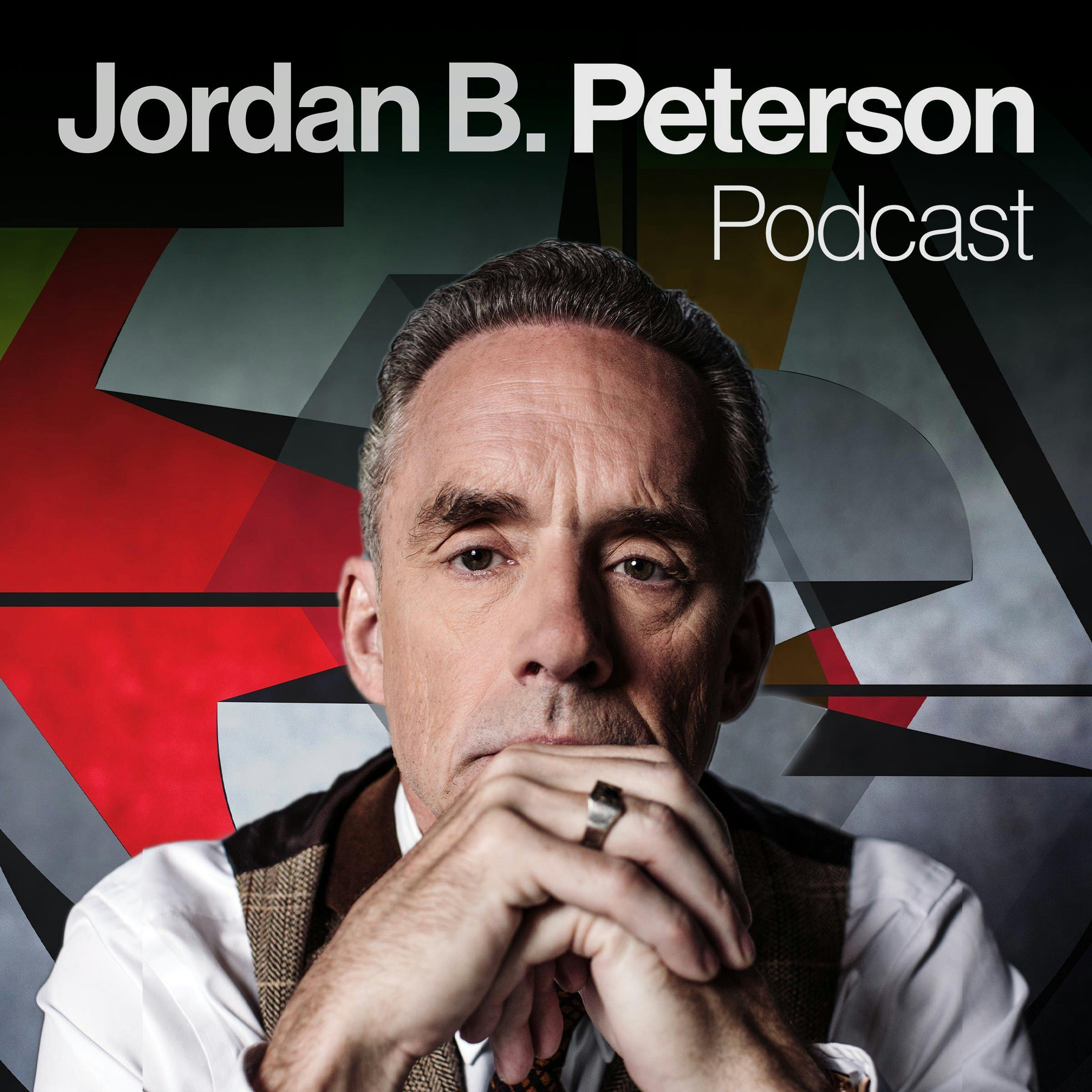
Overview of You Cannot Avoid Having a God. Here Is What That Actually Means.
Dr. Jordan B. Peterson argues that every person inevitably places something at the top of their value hierarchy—“your god” is whatever you put first. In this lecture, he uses the biblical story of Cain and Abel to explain how human life is organized around sacrifice, attention, and moral choice. He presents Cain and Abel as an archetype of two ways of being: one that offers one’s best and aligns with truth, and one that offers the second-rate, becomes resentful, and collapses into violence. The talk blends biblical interpretation, psychology, and advice on personal responsibility, ambition, parenting, and speaking truthfully in difficult social environments.
Core Thesis: You Cannot Live Without a Highest Value
God as the thing you put first
- Peterson defines “God” functionally as whatever occupies the highest place in your life.
- Because attention is limited, people must always prioritize one thing over another; that prioritization reveals their true values.
- Anxiety, in this framing, signals that a person is not properly oriented toward a single aim.
Aim determines perception
- He argues that people do not simply “see” the world objectively; they perceive it through the lens of their aims and responsibilities.
- The world appears as obstacle, opportunity, or threat depending on whether one’s orientation is good, truthful, and forward-moving.
- A higher aim—ultimately, aiming toward God—reveals meaning, beauty, and order.
Cain and Abel as the Central Biblical Example
Sacrifice as the basic human pattern
- Peterson presents work and sacrifice as foundational to human existence.
- Since humans are conscious of the future, they must delay gratification and give something up now for a later good.
- Biblical sacrifice is interpreted as a dramatization of this truth: what you offer reflects what you value most.
Abel’s offering vs. Cain’s offering
- Abel offers the “firstlings” and the “fat thereof,” which Peterson interprets as offering the best, first, and highest-quality part of one’s labor.
- Cain offers a lesser sacrifice, representing a half-hearted, resentful, or self-serving approach.
- God’s acceptance of Abel and rejection of Cain is presented as a symbol of how reality rewards wholeheartedness and truthfulness.
Cain’s resentment and collapse
- Cain becomes angry, bitter, and envious because his sacrifice is not respected.
- Peterson argues that Cain’s problem is not merely unfairness; it is the presumption that he can offer second-rate effort and still be rewarded.
- Cain’s response is jealousy, then murder: he destroys the ideal he cannot match.
Sin as invitation
- Peterson emphasizes God’s warning to Cain: “sin lies at the door,” meaning destructive impulses can be invited in and nurtured.
- He links this to resentment, fantasy, and eventual violence: if bitterness is entertained long enough, it can consume a person.
- The murder of Abel is framed as an attack not only on a brother, but on the good itself.
Major Psychological and Moral Themes
Offer your best
- A recurring message is that one should bring one’s best effort, especially in suffering.
- If the world seems not to respond, the first question should be whether one’s aim, attitude, or sacrifice needs correction.
- Peterson presents this as both psychologically practical and spiritually true.
Conscience as a divine voice
- Conscience is treated as one way God speaks to human beings.
- Ignoring conscience leads to internal fragmentation, self-deception, and eventually social corruption.
- He warns that personal lies and omissions contribute to broader forms of decay, including totalitarianism.
The danger of resentment
- Resentment is described as a gateway to nihilism, self-destruction, and violence.
- Cain’s path becomes a model for how frustrated, embittered people can turn against what is good in themselves and others.
- Peterson extends this to modern examples of alienated individuals, school shooters, and ideological extremism.
Broader Social and Cultural Implications
Individual failure scales upward
- He argues that personal moral failures do not stay private; they shape families, communities, and societies.
- When people stop speaking truthfully or offering their best, cultures weaken and become more vulnerable to corruption.
- He links this to the rise of authoritarianism and “totalitarian” systems built on lies.
Technology without moral order
- Cain’s descendants are portrayed as builders, inventors, and creators of technological civilization.
- Peterson warns that technology becomes dangerous when it tries to replace the divine order or when it serves resentment and domination.
- He uses examples like pornography, artificial substitutes for human relationship, and mechanized power to illustrate the point.
The call to responsibility
- Human beings are presented as responsible not just for themselves, but for the social and spiritual order around them.
- “Am I my brother’s keeper?” is answered implicitly as yes: people bear moral responsibility for one another.
- Silence in the face of wrongdoing is treated as a participation in corruption.
Q&A Takeaways
How to avoid being overwhelmed by goals
- If a goal paralyzes you, it is too large for your current ability.
- Peterson recommends scaling back until the task becomes difficult but doable.
- Progress should be matched to competence; humility means choosing the right-sized challenge.
Why small steps matter
- Improvement is exponential: once you begin, the next step becomes easier.
- He encourages starting where you are, not where you wish you were.
- Even humiliatingly small tasks can unlock momentum.
Parenting older teens and young adults
- He stresses not taking limited time with children for granted.
- He recommends intentional, one-on-one time with each child.
- He reflects that awareness of finite time with loved ones changes behavior and deepens appreciation.
What to do when you see corruption at work or in society
- Peterson urges people to discern what truly bothers them, because that may indicate a real responsibility.
- He warns against reckless outbursts, but also against cowardly silence.
- The proper response is careful, wise, and prepared truth-telling—not impulsive rebellion, but mature resistance.
Key Takeaways
- Everyone serves something as their highest value; the only question is what.
- Human life is fundamentally sacrificial: you always give up one thing for another.
- The Cain and Abel story is a model of two moral paths: wholehearted sacrifice vs. resentment and self-deception.
- Aiming upward—toward truth, responsibility, and the good—makes life more coherent and meaningful.
- Refusing conscience, lying, and withholding your best contribution can have consequences far beyond the individual.
- The lecture ends with a call to courage, integrity, and speaking the truth when it matters.