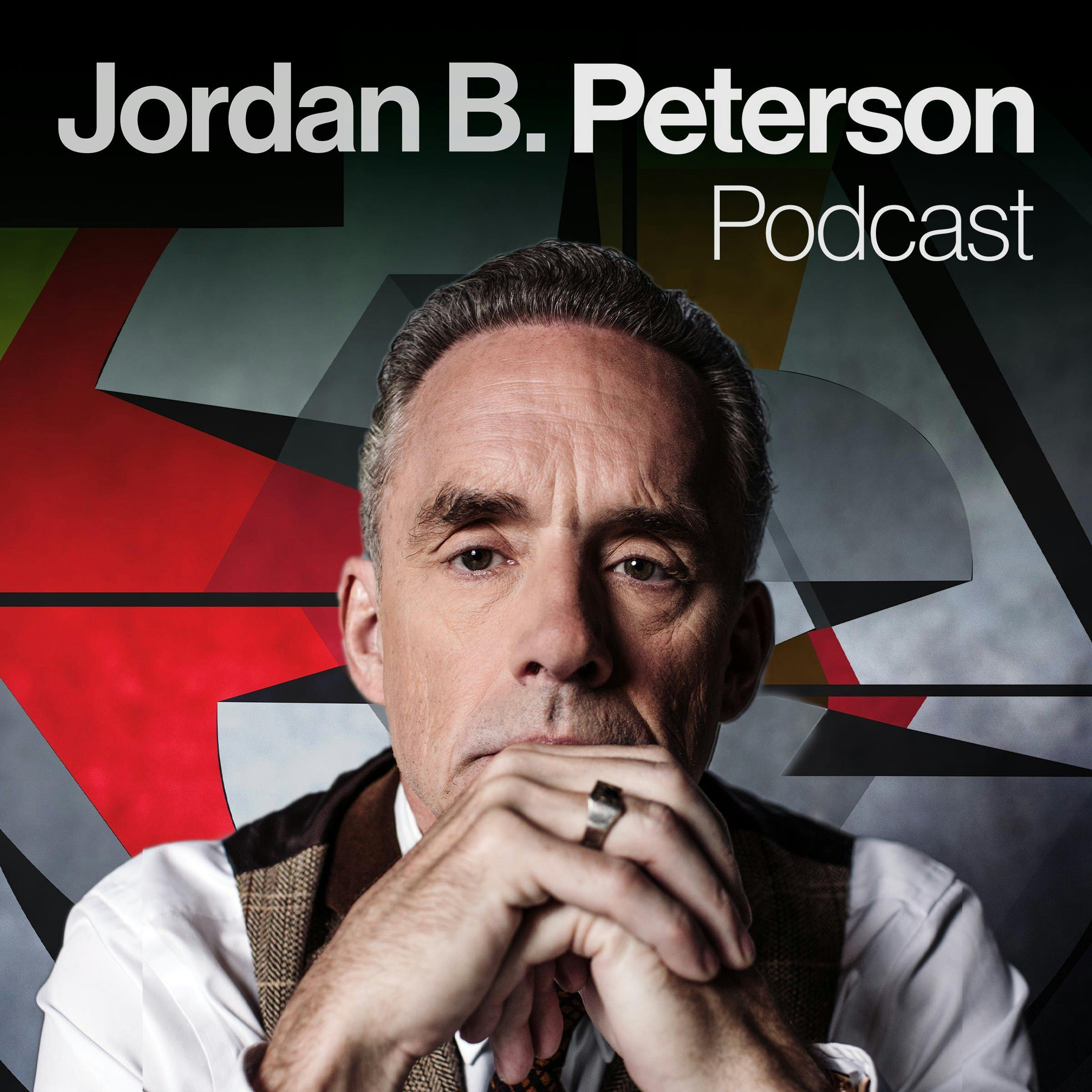
Overview of Why Your Resentment Is a Choice
In this lecture and Q&A, Dr. Jordan B. Peterson argues that resentment is not just a feeling that happens to you—it is, in large part, a choice tied to your aim, your attention, and the spirit you allow to guide your life. Using a long example of a first date, biblical narratives like Cain and Abel, and psychological research on personality and antisocial behavior, he contrasts two basic orientations: a downward, self-gratifying, resentful path, and an upward, sacrificial, truth-oriented path. He extends that framework into discussions of love, marriage, forgiveness, childrearing, and the moral responsibility of individuals and institutions.
Core Thesis: Resentment Follows Your Aim
Peterson’s central point is that what you aim at determines what you perceive and how you behave.
- If your aim is short-term gratification, your attention becomes fragmented, self-conscious, manipulative, and resentful.
- If your aim is high—truth, love, reciprocity, responsibility—your attention becomes more stable, generous, and disciplined.
- He argues that bitterness and resentment are often sustained by repeatedly choosing a low, narrow goal and then blaming the world for the resulting dissatisfaction.
The First-Date Example: Attention, Reciprocity, and Strategy
A large portion of the talk uses a first-date scene to illustrate human interaction.
What a good interaction requires
- Attentiveness to the other person
- The ability to “dance” socially—adjusting in real time
- Filtering out distractions and staying engaged
- Reciprocity, patience, and self-control
What goes wrong
- Self-consciousness creates anxiety
- Fragmented attention breaks communication
- A short-term mating strategy reduces the other person to a means of immediate pleasure
He contrasts short-term, exploitative courtship with a long-term, relationship-oriented approach that seeks friendship, trust, and eventually marriage.
Psychological Framework: The Dark Tetrad
Peterson connects short-term exploitation to what psychologists call the dark tetrad:
- Narcissism — seeking attention without earning it
- Machiavellianism — manipulating others instrumentally
- Psychopathy — cold, predatory, disregard for consequences
- Sadism — taking pleasure in others’ suffering
His argument is that these traits often cluster around selfish, short-term, hedonistic behavior, especially when someone is pursuing gratification without reciprocity or sacrifice.
Cain and Abel: Resentment as a Spiritual Path
One of the strongest sections interprets the story of Cain and Abel as a model of how resentment develops.
Abel
- Brings the best offering
- Aims upward
- Represents humility, sacrifice, and proper effort
Cain
- Brings second-rate sacrifice
- Becomes bitter when rejected
- Broods on resentment
- Invites “sin” in and then acts it out through violence
Peterson emphasizes that Cain is not merely victimized by evil; he allows resentment to possess him, and that resentment grows into murder and eventually a destructive lineage.
Sin, Truth, and the Importance of Speech
Peterson repeatedly returns to the idea that truthful speech matters morally and spiritually.
- To “sin” is to miss the target.
- Lies, self-deception, and cowardice distort the world.
- The way out of chaos is to say what is true, even when it is difficult.
- He frames false speech as one of the major pathways into psychological and social hell.
He uses biblical stories like:
- Adam and Eve: pride and self-consciousness lead to alienation.
- Sodom and Gomorrah: even a small remnant of truthful people can matter.
- Jonah: refusing your moral responsibility threatens the whole “ship of state.”
Love, Sacrifice, and Marriage
Peterson defines love not as sentimentality, but as a combination of:
- Security
- Predictability
- Honesty
- Encouragement
- Protection
- Development
He argues that a good relationship requires:
- reciprocal sacrifice
- shared long-term orientation
- willingness to help the other person become more than they are now
He presents this as the opposite of exploitation and as the foundation of stable marriage and family life.
Community, the West, and Responsibility
Peterson expands the argument into a civilizational claim:
- Western societies are built on responsibility before rights.
- A culture of voluntary sacrifice reduces the need for tyranny.
- When people refuse responsibility, institutions decay and more coercive forces fill the vacuum.
- He argues that America’s historic prosperity and freedom were tied to this ethic of responsibility, admiration for genuine success, and moral seriousness.
Creation, Logos, and Human Responsibility
In his theological framing, Peterson describes the human mind as participating in the divine creative pattern:
- The world begins as confusion and possibility.
- Human consciousness can impose order on that possibility.
- This is analogous to God’s ordering of creation.
- Human beings are called to create “good order” in their own lives, families, and communities.
He connects this to the idea that people are made in the image of God and therefore have intrinsic dignity and responsibility.
Q&A Highlights
1. “Have you wrestled with God about something specific?”
Peterson says the struggle is ongoing, especially in public speaking:
- Finding the right words is a form of wrestling with truth.
- He says most speech is partially false or imprecise.
- True speech stabilizes; false speech fragments.
2. “How do you forgive someone without becoming a martyr?”
He outlines forgiveness as a process:
- Confess what happened, including your own part
- Repent if needed
- Atone by figuring out what repairs are necessary
- Then rebuild trust if possible
For deeper injuries, especially if the other person is unavailable, he says you must analyze your own contribution and learn how to avoid the same trap again.
3. “We’re having our first kid but don’t have a relationship with God. Should we raise the child in church?”
Peterson strongly recommends it:
- Children should learn the foundational stories of Western civilization.
- Church can provide community, moral formation, and contact with transcendent questions.
- Even if the institution is flawed, he says people should help rebuild it rather than abandon it.
Main Takeaways
- Resentment is linked to aim: if you aim low, your life and perception become narrow and bitter.
- Attention is moral: what you focus on reveals what spirit is guiding you.
- Truth is protective: lying and self-deception lead toward chaos, while truth creates stability.
- Love is sacrificial: it means helping someone become secure, truthful, and stronger.
- Forgiveness is active: it involves confession, repentance, and repair—not just “letting it go.”
- Responsibility sustains civilization: communities and institutions survive when people take duty seriously.
Bottom Line
Peterson’s message is that resentment is not inevitable. It grows when people choose self-serving, short-term aims and then interpret the world through that bitterness. The alternative is to aim higher: toward truth, sacrifice, love, and responsibility. In his view, that is not only the path to a better relationship or a better life, but to a healthier society and a more truthful soul.