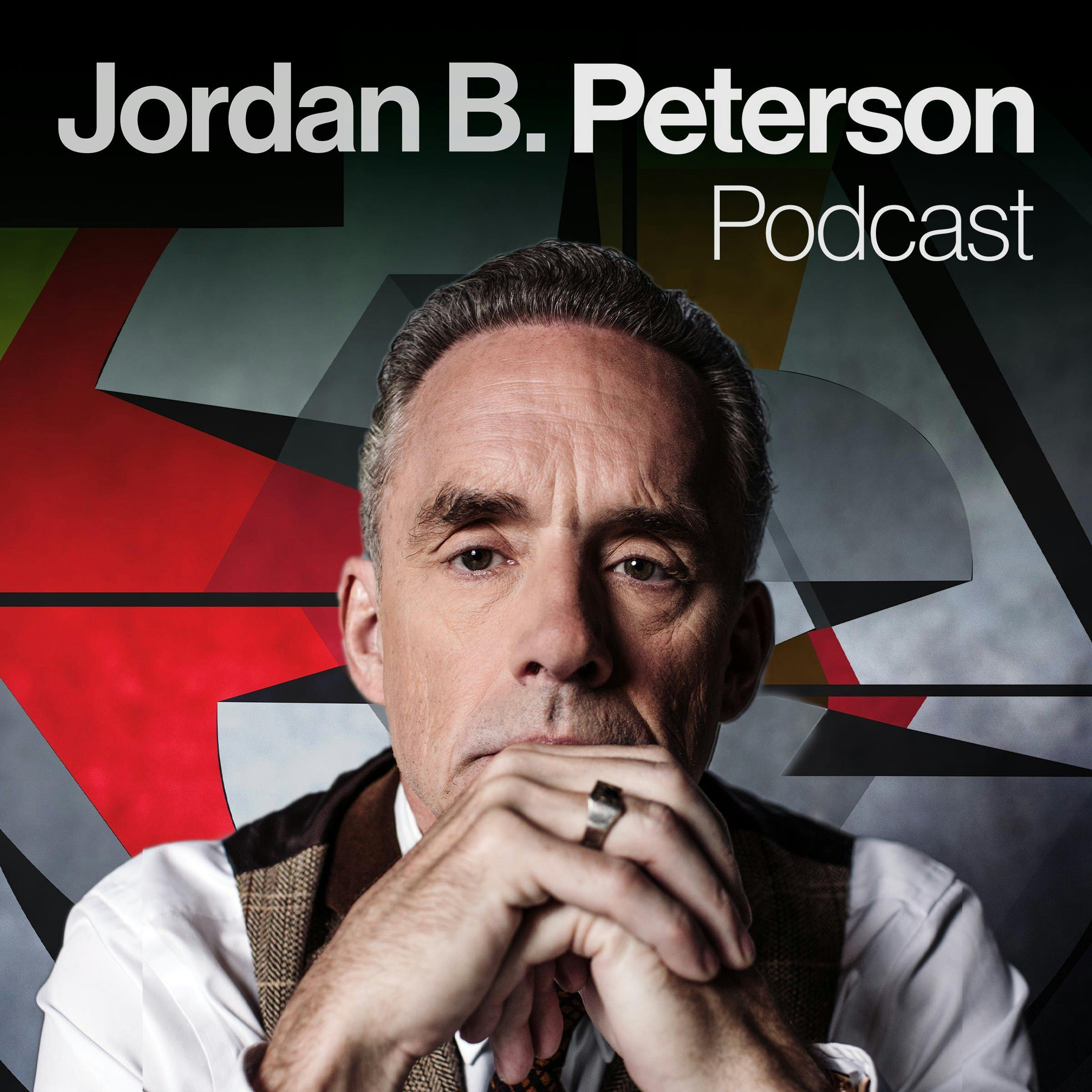
Overview of Why You Can’t Get What You Actually Want
Dr. Jordan B. Peterson’s lecture argues that people fail to obtain what they truly want because genuine fulfillment requires sacrifice, discipline, and alignment with conscience, community, and God rather than surrender to immediate impulse. Using biblical narratives—especially Cain and Abel, Abraham, Moses and the bronze serpent, and the crucifixion of Christ—Peterson presents sacrifice as the central pattern of mature human life, the basis of psychological health, and the foundation of Western civilization.
Core Thesis
Peterson’s central claim is that what we want in the short term is usually not what we actually want in the deepest sense. To get the life we truly want, we must:
- delay gratification
- offer our best rather than our leftovers
- accept responsibility for failure
- confront suffering instead of avoiding it
- orient our lives toward the highest good
He frames this as a spiritual, psychological, and civilizational truth: human flourishing depends on sacrifice.
Biblical Framework: Sacrifice as the Structure of Reality
Cain and Abel
Peterson uses Cain and Abel to contrast two modes of being:
- Abel represents sincere, high-quality sacrifice, responsibility, and upward orientation.
- Cain represents resentment, deception, laziness, and offering God and society a second-rate self.
Key point: Cain’s downfall begins when he refuses to offer his best and then blames the world for the consequences. Peterson links this to bitterness, envy, violence, and eventually genocidal patterns.
The Meaning of Sacrifice
Sacrifice is not just ritual; it means:
- giving up immature impulses
- subordinating present appetite to future good
- preserving relationships over selfish gratification
- aligning the self with a larger order
He argues that this principle applies to marriage, family, friendship, work, and society.
Abraham and the Call to Adventure
Abraham symbolizes the opposite of complacency. God calls him to:
- leave security
- enter uncertainty
- accept hardship
- grow through voluntary challenge
Peterson presents Abraham as the model of a life that becomes:
- a blessing to the individual
- admirable to others
- generative across generations
- beneficial to the wider world
Moses and the Bronze Serpent
Peterson interprets the bronze serpent in the wilderness as a symbol of healing through confrontation:
- what poisons you must be faced directly
- voluntary confrontation with danger creates immunity and strength
- avoiding every threat leaves you weaker and more vulnerable
Christ and the Crucifixion
Christ is presented as the ultimate sacrificial figure:
- the innocent one who suffers unjustly
- the one who voluntarily faces death and evil
- the model for Western moral order
Peterson argues that the crucifixion embodies the highest form of sacrifice: the willingness to confront suffering, death, and evil for the sake of truth and redemption.
Psychological and Social Lessons
Maturity Requires Sacrifice
Peterson repeatedly ties biblical sacrifice to ordinary life:
- marriage requires sacrificing selfish impulses
- parenting requires structure and discipline
- community requires mutual responsibility
- civilization requires citizens who can govern themselves
Resentment Is Dangerous
He warns that when people refuse responsibility, they often turn to:
- bitterness
- grievance
- blame
- rebellion against God, conscience, or reality itself
In his view, resentment can spiral into destructive ideologies and social collapse.
Identity Politics and the “Death of God”
Peterson argues that modern political obsessions often collapse the sacred into the political. He sees this as part of a broader cultural disorientation, where people replace spiritual meaning with ideological conflict.
Key Practical Takeaways
- Do your best; don’t offer God, your family, or society a second-rate self.
- Delay gratification in favor of long-term flourishing.
- Take responsibility when things go wrong instead of blaming the world.
- Face what you fear rather than avoiding it.
- Build a life of order before trying to change the world.
- Act as if your life matters, because in Peterson’s framing, it does.
Q&A Highlights
On writing fiction and creativity
Peterson says he has considered and partially pursued creative projects, including:
- a fairy-tale adaptation
- a musical screenplay
- songs
- a noir/detective novel
He suggests creative work becomes more possible when life is stable enough to allow it.
On raising children in a “woke” culture
His advice is blunt and practical:
- stay married
- model healthy masculinity and femininity
- read to your children
- keep regular meals and routines
- set high standards
- do not allow children to behave in ways that make them unlikable or undisciplined
- use “no” consistently and meaningfully
He emphasizes that children need boundaries, not permissiveness.
On gender identity in a sibling
Peterson strongly advises intervention:
- affirm the sister’s worth
- do not allow harmful medical or social transition steps
- treat it as a serious moral and developmental crisis
- be loving, but resolute
On living well in a corrupt society
He tells the audience to begin with personal order:
- stop doing stupid things you know are wrong
- start doing what is good
- develop yourself into someone whose words have moral weight
- then extend that order into family, community, and society
Final Message
Peterson closes by insisting that there is no escape from belief or faith. Everyone must choose:
- resentment and rebellion
- or sacrifice and alignment with the divine order
His concluding moral is simple: act like you are made in the image of God—which means taking responsibility, confronting chaos, and offering your best to the highest possible aim.