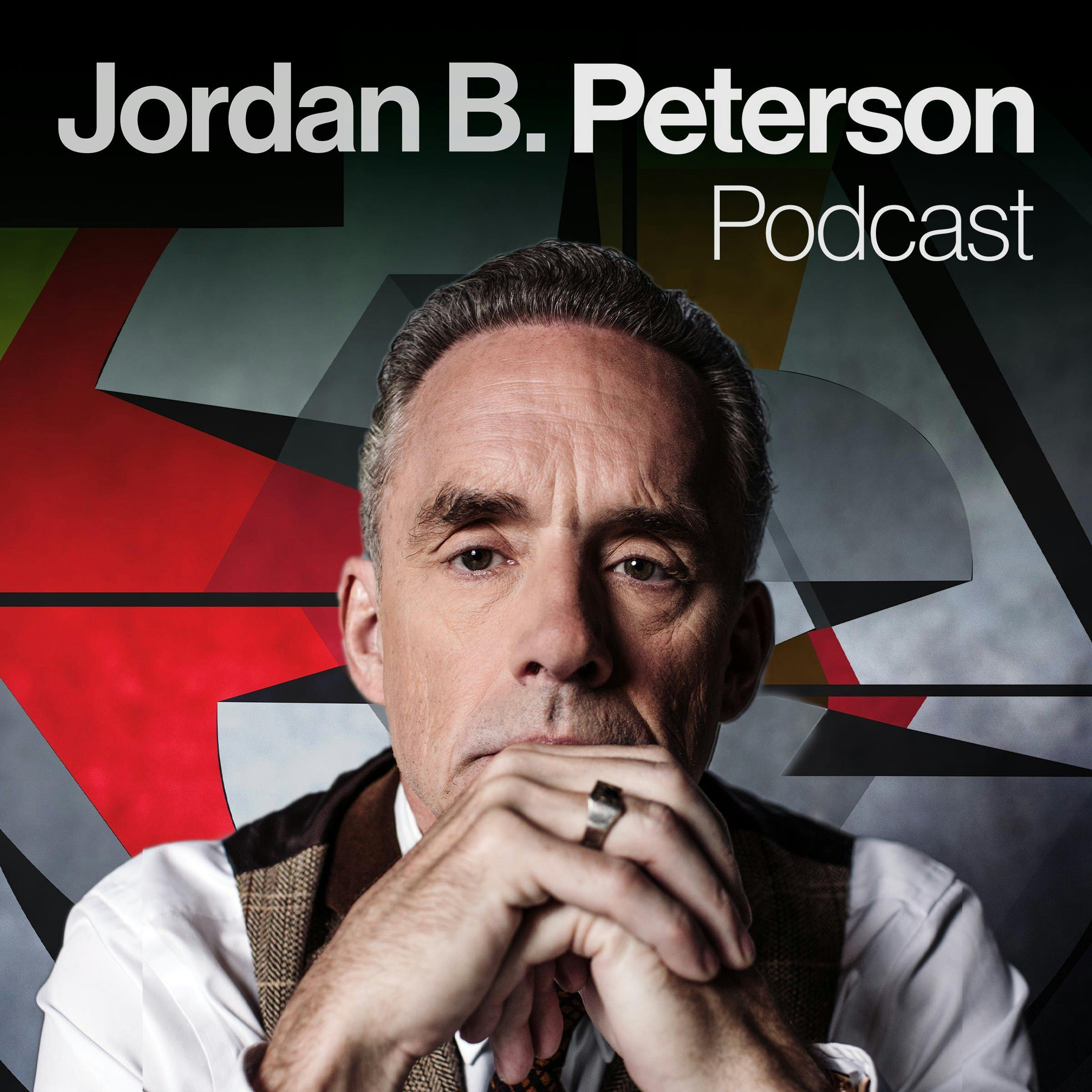
Overview of What Moses Reveals About Your Life
Dr. Jordan B. Peterson uses the story of Moses and the Book of Exodus as a framework for understanding the structure of a meaningful human life. His central claim is that life is best understood as a story of upward movement: from tyranny and slavery toward responsibility, truth, courage, and a “promised land” of greater order and flourishing. He argues that the biblical narrative is not just religious history, but an archetypal map for psychological development, social organization, leadership, marriage, and personal meaning.
Core Argument: Life as a Story
Life is not random; it is narrative
Peterson argues that human beings naturally experience life in story form. We don’t just observe facts—we interpret them through goals, obstacles, and transformations.
- A life has a starting point, a destination, and a sequence of challenges.
- The quality of a life story depends on whether it is meaningful, engaging, and directed upward.
- Character develops when aims change in response to experience, wisdom, suffering, and responsibility.
Meaning is more real than reductionist materialism
He rejects the idea that reality is just dead matter and arbitrary human meaning layered on top.
- Pain is undeniably real because it forces action.
- Love, purpose, and meaningful work are also “real” because they reduce suffering and organize life.
- He treats what people pursue and sacrifice for as evidence of what they regard as real.
Exodus as the Template for Human Life
Tyranny and slavery are universal
Peterson presents Pharaoh and Egypt as symbols of a recurring human pattern:
- tyranny and slavery in politics,
- tyranny and slavery in marriage and family,
- tyranny and slavery within the self.
He argues that many people live in a mixed state of domination and passivity: tyrants in one context, slaves in another.
Moses as the model of the mature leader
Moses is described as an adult, married shepherd—not a reckless youth. That matters to Peterson because leadership, in his view, comes from responsibility and competence, not status or ideology.
Key features of Moses’ readiness:
- he is already functioning in the world,
- he protects the vulnerable,
- he has learned to act courageously,
- he is capable of listening to a calling.
The burning bush as a call to transformation
The burning bush represents the moment when something in reality “calls” to Moses and redirects his life.
- Calling is tied to enthusiasm, curiosity, conscience, and destiny.
- Peterson describes God as the spirit behind what draws a person upward.
- The call often appears sideways—unexpectedly—rather than as a formal doctrine.
The Alternative to Tyranny: Responsibility
The opposite of slavery is not chaos
Peterson emphasizes that the biblical alternative to tyranny is not mere freedom or anarchy. Instead, it is an ordered, responsibility-based structure.
- The Israelites are freed “so that they may worship” in the wilderness.
- Freedom is tied to proper order, not impulsive self-expression.
- Responsibility is the real antidote to tyranny.
Subsidiarity: distribute responsibility downward
He praises Jethro’s advice to Moses as a model of social organization.
- Problems should be handled at the lowest competent level.
- Families, local communities, and small groups should solve as much as possible themselves.
- This prevents both overcentralized power and dependent, immature citizenship.
He connects this to:
- Catholic social theory,
- responsible civic life,
- the founding principles of the United States,
- and the need for citizens to resist the rise of authoritarian systems.
Love, Meaning, and Suffering
Love and purpose reduce pain
Peterson argues that pain is made bearable—and sometimes even overcome—through love and meaningful engagement.
- A child’s pain is soothed by care and affection.
- Purposeful action can suppress pain, as in athletes competing while injured.
- Dopamine and oxytocin are cited as biological correlates of meaning and connection.
His broader point: the things that help human beings endure suffering may be more “real” than cynical materialism admits.
Marriage, Men, Women, and Logos
Marriage as a sacred partnership
In the Q&A, Peterson interprets marriage as a union centered on truth, responsibility, and the “logos” rather than dominance.
- Neither spouse should be a tyrant or a slave.
- The proper order of marriage is a shared pursuit of what is highest.
- Honest communication is what allows the relationship to flourish.
The logos in relationship
He says that when two or more people engage in truthful dialogue, something like the divine logos becomes present.
- Marriage is not about power struggles.
- It is about mutual responsibility and truthful speech.
- The candle ritual in a Swedish marriage ceremony is used as a symbol of light, illumination, unity, and sacrament.
Gender differences
Peterson argues that men and women differ in fundamental ways, and that these differences become clear in marriage and family life.
His practical framing:
- women are generally drawn to competent, higher-status, or helpful men;
- dominance destroys attraction and respect;
- relationships work best when each person serves the higher good, not personal power.
Technology, Intellect, and the Tower of Babel
The danger of intellectual presumption
In one Q&A response, he interprets the Tower of Babel as a symbol of technological and intellectual hubris.
- When intelligence worships itself, it becomes “Luciferian.”
- Technology is useful, but a terrible master.
- Social fragmentation and confusion arise when people elevate intellect, ideology, or technology above truth.
He links modern examples to:
- technological seduction,
- AI and synthetic voices,
- social media fragmentation,
- and the breakdown of shared meaning.
Motivation and Meaning in Daily Life
If you’re unmotivated, you may be forcing yourself too hard
Peterson’s advice to people lacking motivation is surprisingly practical:
- stop using sheer willpower against yourself,
- ask what you actually want,
- design a game worth playing,
- and invite yourself into it.
Start small and make the goal real
He recommends identifying concrete, local improvements:
- how you want to be greeted at home,
- what would make work feel worthwhile,
- what kind of relationship dynamics would energize you,
- what responsibility would actually matter to you.
His point is that motivation follows meaningful aim. People become stuck when they are living someone else’s dream or obeying a false vision.
Notable Takeaways
- Your life is a story. If you don’t choose the story, you may be trapped in one.
- Calling is real. It shows up as interest, attraction, conscience, and enthusiasm.
- Tyranny and slavery are everywhere. They can exist in self-talk, marriage, parenting, institutions, and politics.
- Responsibility is liberation. Distributed responsibility is the real alternative to authoritarianism.
- Truth sustains love and society. Honest speech is what makes order possible.
- Meaning reduces suffering. Purpose, love, and commitment can be more powerful than pain.
- Technology and intellect must be subordinated. Otherwise they become destructive substitutes for wisdom.
Bottom Line
Peterson’s message is that the story of Moses is the story of human life itself: a struggle to leave false order, endure the wilderness of transformation, and accept the burden of responsibility in pursuit of a higher good. The proper response to suffering, confusion, and tyranny is not cynicism or escape, but truthful, courageous movement upward—personally, relationally, and socially.