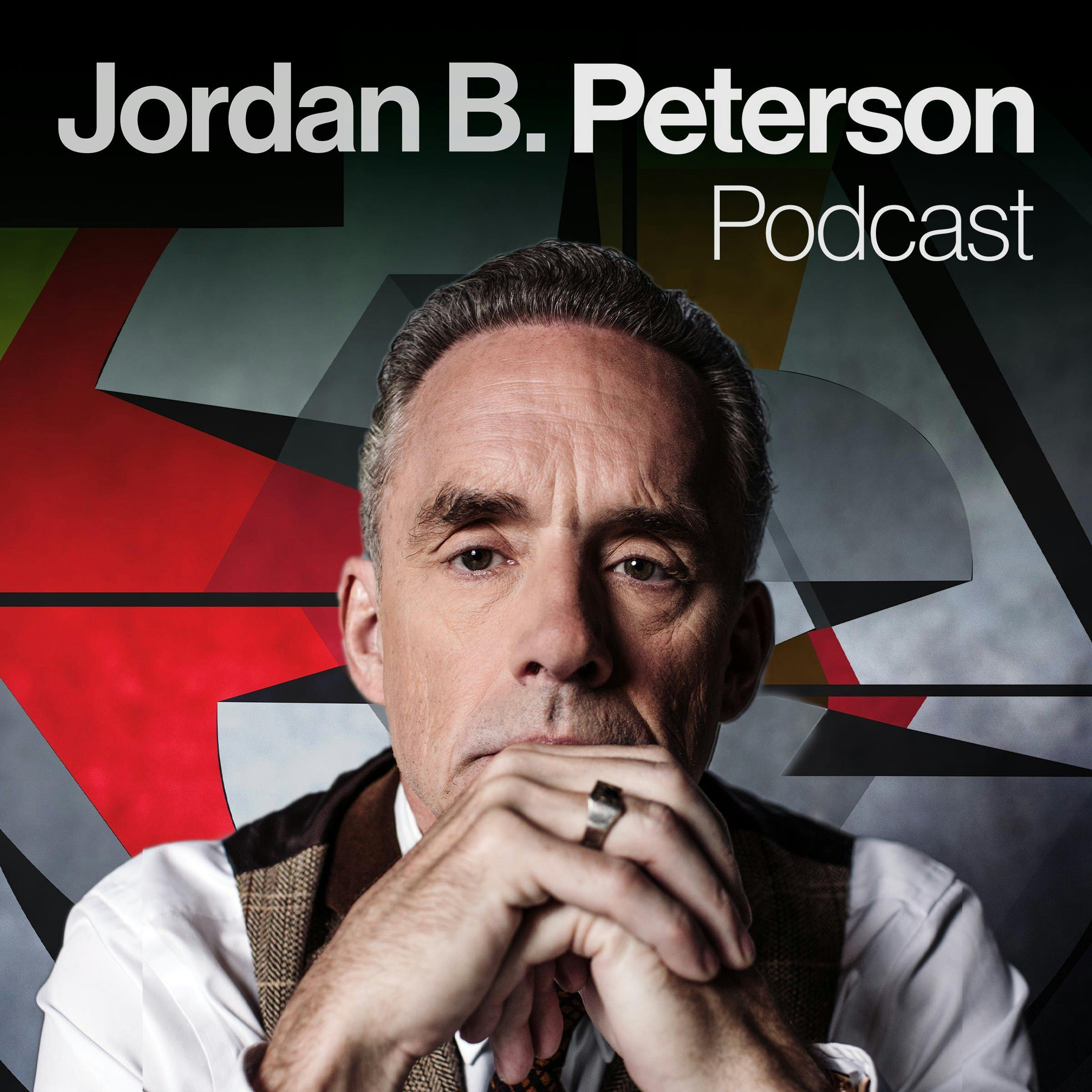
Summary — 572. Navigating Education, Ideology, and Children | Answer the Call
Host: Dr. Jordan B. Peterson (with daughter Mikayla)
Overview
This episode addresses practical questions about modern education: homeschooling vs. traditional school, how to raise kids with critical thinking and moral clarity in ideologically charged environments, how to re-engage students (especially in art), and whether intelligence (IQ) can be meaningfully increased. Callers from different backgrounds raise real-world parenting and teaching dilemmas; Dr. Peterson responds with diagnosis, principles, and specific recommendations.
Key points & main takeaways
-
Education vs. childcare
- Modern K–12 often functions more like child warehousing than true education. Parents should be aware of that distinction when making decisions.
- Institutional corruption and ideological capture (e.g., “wokeness”) have grown; this increases the need for parental discernment.
-
Homeschooling vs. traditional school
- Homeschooling can be excellent academically and personally, but parents must intentionally provide socialization opportunities (sports, clubs, church, co-ops).
- Transitioning responsibility to the child (age-appropriate autonomy) is important: let kids arrange social contacts, navigate peer interactions.
- If homeschooling provides strong academics and social exposure, there may be no compelling reason to switch to public school.
-
Choosing a school
- Do tours and inspect visible indicators of ideology (policies, posters, art). Prominent “equity” messaging is a reliable sign the school is ideologically driven.
- Investigate school philosophy and teacher competence. Consider alternative models (Acton Academy, Peterson Academy, Katherine Birbilsingh’s school).
-
Protecting children from ideological pressure
- Teach kids the full range of political ideas (libertarian to Marxist) so they’re inoculated against one-sided narratives.
- Use Socratic dialogue, current affairs discussion, and require them to argue both sides of contentious issues.
- Monitor peer influence, but prioritize fortifying children intellectually and morally rather than attempting total control.
-
Re-engaging students (art education)
- Motivation is key: teachers must set a motivational frame, explain why a subject matters, and dramatize its meaningfulness.
- Art education should be framed as training imagination, taste, and a pathway to beauty and purpose — not mere decoration.
- Teachers who can communicate value and model enthusiasm produce engaged learners.
-
IQ and cognitive development
- IQ is remarkably stable across the lifespan; efforts to reliably increase general intelligence have not been successful.
- You can decrease cognitive development via malnutrition, neglect, or severely impoverished environments; optimization (nutrition, health, exercise) protects brain function.
- Focus on character, practical skill-building, challenging experiences, and mentorship — these reliably produce lifelong benefits even if they don’t change measured IQ.
-
Technology and the future of schooling
- Personalized AI tutors (adaptive to each student’s zone of proximal development) are emerging and may transform how children learn.
- Low-cost devices and optimized software have shown promising learning gains (examples noted in pilot programs).
Notable quotes & insights
- “Is it education or is it child warehousing? The answer is mostly it's child warehousing.”
- “You're not going to be able to motivate and teach people if that's how shallow your knowledge is.”
- “What you're doing as a teacher often is setting the motivational frame and dramatizing.”
- “The world manifesting itself in accordance with your interest.” (On how a topic can “grip” a student)
- “IQ is very stable across time.”
- “Intelligence isn't a virtue — it's a responsibility. It's a gift, and if misused it brings immense cost.”
Topics discussed
- Homeschooling vs. traditional school
- Socialization and extracurriculars for homeschooled children
- Institutional corruption and ideology in education (wokeness, equity policies)
- How to select schools and spot ideological leanings
- Strategies for raising critical thinkers in ideologically-charged communities
- Art education, student disengagement, and teacher motivation
- IQ malleability, Head Start findings, nutrition and cognitive development
- Emerging educational technologies (AI tutors, adaptive learning)
- Character development vs. intelligence
Action items & practical recommendations
For parents (homeschooling or choosing school):
- Inventory your child’s social exposure (friends, teams, clubs). If absent, add organized activities now.
- Gradually transfer responsibility for social arrangements and navigation to your child as they approach adolescence.
- When evaluating schools: tour, read policies/websites, check for ideological signage (e.g., “equity” programs) — treat that as a red flag if you disagree with the ideology.
- Teach political and intellectual breadth: expose children to multiple viewpoints, have them debate both sides, and discuss current events regularly.
For educators:
- Always explain why a subject matters — set the motivational frame and dramatize significance.
- Aim to cultivate imagination, taste, skill and the sense that learning connects to meaningful life outcomes.
- Be selective about hiring: effective teachers know their subject’s purpose and can communicate enthusiasm.
For those running youth programs or mentoring:
- Focus on challenging, growth-oriented experiences that build character, resilience, competence (camping, scouts, public speaking, leadership tasks).
- Prioritize nutrition, sleep, and physical activity to protect cognitive functioning.
- View gains in character, knowledge, and practical skill as primary goals rather than chasing increases in IQ scores.
For a long-term strategy:
- Consider hybrid solutions: combine homeschooling strengths (tailored academics) with institutional/social opportunities (clubs, co-ops, selective schools).
- Watch developments in adaptive AI tutors and pilot programs that personalize learning; they may supplement or replace traditional methods in some contexts.
If you want, I can:
- Produce a one-page checklist for evaluating a school (tour questions, signs of ideological influence, teacher interview questions).
- Draft a weekly Socratic dinner-plan (questions and topics) to strengthen kids’ critical thinking and civic literacy.