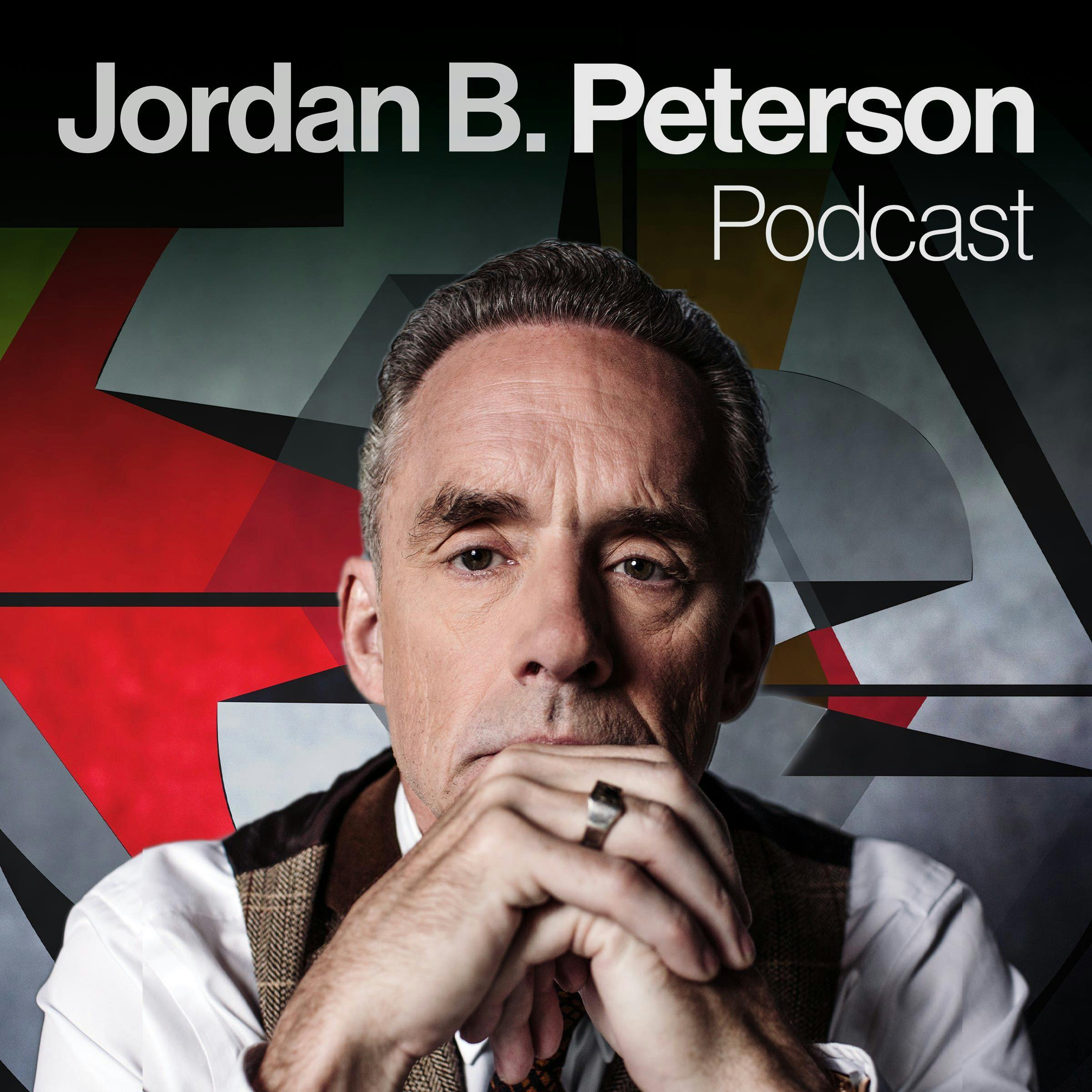
Overview of Marriage Is An All In Bet
Dr. Jordan B. Peterson argues that marriage is not a low-risk arrangement but an “all-in” faith-based commitment: a sacrificial wager that two people can build a better life together than apart. Using biblical stories—especially Abraham, Cain and Abel, Jacob, Job, and the Gospels—he frames marriage, work, parenting, and moral growth as forms of “wrestling with God,” meaning a continual struggle to aim upward toward responsibility, truth, and transformation.
Core Thesis: Marriage as a Faith-Based Bet
- Marriage requires commitment before certainty.
- You do not enter marriage knowing enough about your partner, your future, or yourself to guarantee success.
- The proper attitude is not “What do I get?” but:
- What can I offer?
- What future can we build together?
- Peterson describes marriage as:
- a vow-predicated commitment
- a sacrificial bargain
- a wager that the relationship is richer than solitary alternatives
Why commitment matters
- He argues that relationships do not survive being treated as temporary trials.
- Cohabitation without commitment is presented as a weaker foundation than marriage.
- Marriage, especially in a religious context, sacralizes the bond and places it under a higher order than individual whim.
Wrestling with God: Meaning, Faith, and the Upward Aim
Peterson’s central philosophical move is to redefine “wrestling with God” as the human struggle to orient life upward.
What “wrestling” means
- Life is complex, uncertain, and partly unknowable.
- Because we are ignorant, we must act by faith.
- Faith, in his framing, is not blind belief in superstition; it is commitment and trust in a path.
Two possible directions
- Downward path: resentment, cynicism, hedonism, bitterness, withdrawal.
- Upward path: responsibility, sacrifice, discipline, truth, and growth.
He argues that there is no neutral position:
- You always believe in something.
- If you do not commit to a higher aim, you default to appetite, fear, or nihilism.
Biblical Framework: Abraham, Covenant, and Sacrifice
A major portion of the talk interprets Abraham as the model of faith and development.
Abraham’s call
- Abraham is portrayed as privileged, comfortable, and slow to move.
- God’s call to Abraham is interpreted as a call to:
- leave comfort
- accept risk
- mature through action
Covenant as relationship
- Peterson emphasizes that God in the biblical story is:
- the voice that calls humans upward
- the source of conscience
- the maker of covenant
- A covenant is treated like a sacred contract: a binding relationship built on sacrifice and responsibility.
Sacrifice and work
- Work is defined as sacrifice now for future benefit.
- Sacrifice is not merely loss; it is investment in:
- family
- community
- future stability
- one’s own character
Abraham and Isaac
- The sacrifice of Isaac is discussed as a profound parent-child pattern:
- good parents do not keep children forever;
- they prepare them to leave, grow, and become competent.
- Peterson treats the story as symbolizing the principle that what is properly offered up returns with interest.
Marriage, Love, and Children
Peterson presents marriage as a structure supported by tradition, love, and mutual growth.
Faith in love
- Love is described as an instinct that:
- binds people together
- reveals the best in the other person
- supports long-term pair bonding and parenting
- He insists that cynicism about love is self-defeating and often cruel.
Children as moral revelation
- Children awaken tenderness in people and reveal the best in adults.
- Parenting is framed as a sacred responsibility that demands:
- discipline
- sacrifice
- encouragement
- preparation for independence
The role of the spouse
- A spouse is not just a companion but a:
- wrestling partner
- helper
- challenger
- co-builder of a meaningful life
Good Marriage Requires Negotiation
In the Q&A, Peterson gets practical about handling conflict in marriage.
How to open hard conversations
- Begin by clarifying what a successful outcome would look like.
- Make the purpose of the conversation explicit:
- better for you
- better for me
- better for us
Rules for healthy negotiation
- Don’t aim to “win.”
- Stay at the table until the issue is resolved.
- If you’re upset, cool off, but return.
- Use discussion to solve problems, not assign blame.
Trust and courage
- Trust is not naivete; it is a form of courage.
- Even in imperfect relationships, people must risk openness or remain isolated and resentful.
Parenting, Stories, and Teaching Good and Evil
Peterson also discusses how parents should prepare children for life’s moral dangers.
Use stories to teach
- Stories help children understand good, evil, danger, and heroism.
- He praises stories like:
- classic Disney films
- Harry Potter
- The Hobbit
- The Lord of the Rings
- Job and other biblical narratives
Moral lesson for children
- When frightened, “keep your eye on the hero.”
- Children should learn that life involves danger, but courage and upward aim matter more than sheltering them from all risk.
Job: Faith Under Suffering
Job serves as Peterson’s model for maintaining faith under catastrophe.
- Job loses wealth, children, health, and social standing.
- His temptation is bitterness and despair.
- The lesson:
- do not curse God
- do not abandon the upward aim
- do not let suffering define your whole identity
This reinforces Peterson’s broader claim:
- suffering can either destroy you or deepen you
- the response matters more than the event itself
Practical Takeaways
- Marry with seriousness: marriage is a high-stakes, faith-based commitment.
- Aim upward: choose responsibility over resentment, growth over comfort.
- Sacrifice now for future good: work, family, and discipline are forms of moral investment.
- Negotiate rather than attack: in marriage, use conflict to refine the relationship.
- Trust courageously: openness is risky, but isolation is worse.
- Teach through stories: stories prepare children for reality better than abstract rules.
- Stay engaged with life: even late in life, it is not too late to begin the upward journey.
Overall Message
Peterson’s central claim is that the best human life is built through faith, sacrifice, and disciplined commitment. Marriage is one of the clearest examples: it is not a tentative arrangement for personal convenience, but an all-in covenant that mirrors the deeper structure of reality. In his view, when people choose responsibility, truth, and mutual sacrifice, they align themselves with the divine order that makes flourishing possible.