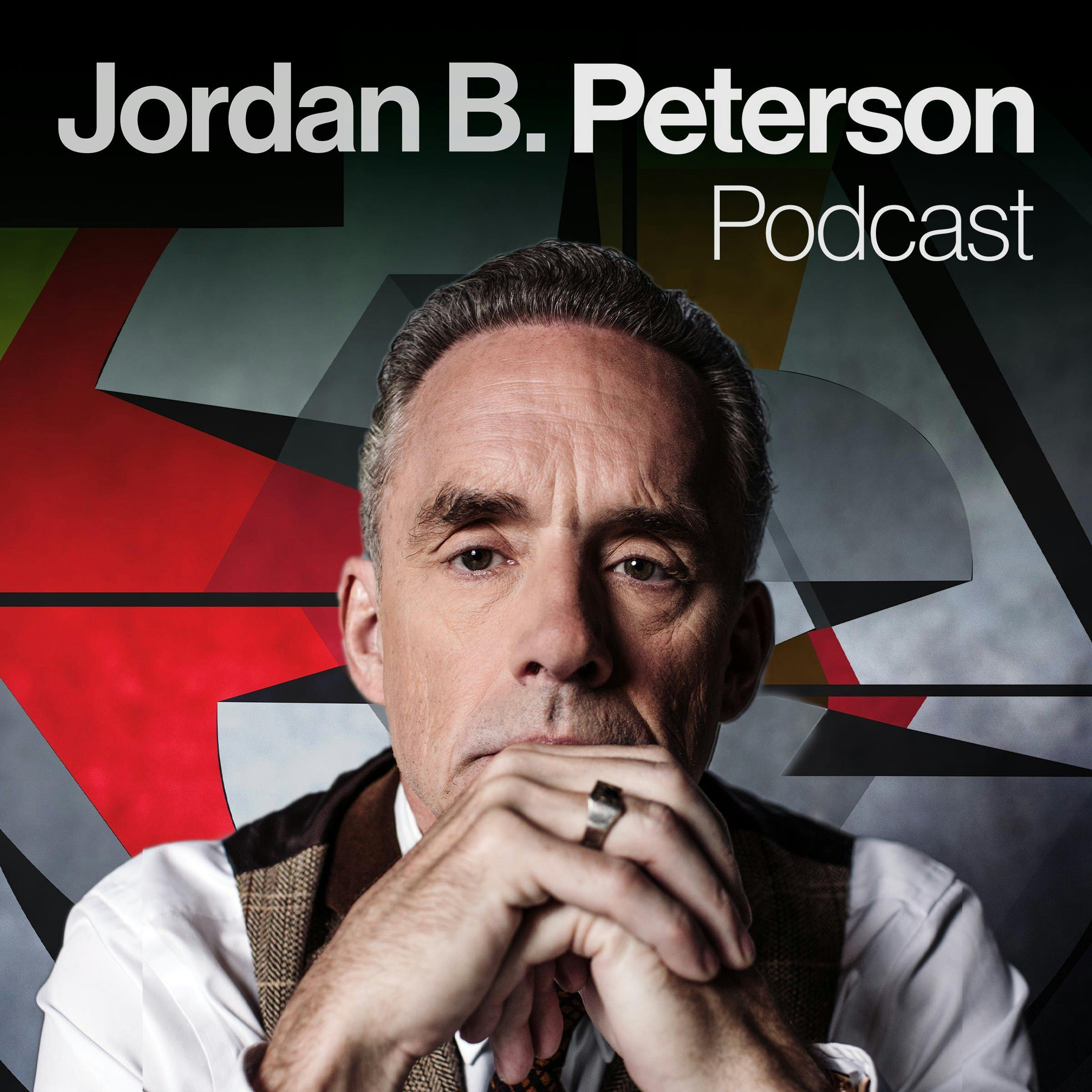
Overview of How to Stop Sabotaging Your Own Life
In this lecture from We Who Wrestle with God, Dr. Jordan B. Peterson argues that self-sabotage is fundamentally a spiritual and moral problem rooted in failed sacrifice, resentment, and refusing to align oneself with what is highest and most true. He interprets biblical stories—especially Cain and Abel, Abraham and Isaac, the bronze serpent in the wilderness, and the crucifixion of Christ—as a unified model of human development: mature life requires voluntary sacrifice, delayed gratification, courage, and the willingness to face suffering and evil rather than evade them.
Core Thesis
- Human flourishing depends on sacrifice: giving up immediate impulses for a higher good.
- The Bible is presented as a narrative about:
- God
- human nature
- marriage, family, and society
- the covenantal relationship between humans and the divine
- Self-sabotage happens when people:
- resent their limits
- blame reality for their failures
- offer “second-rate” versions of themselves
- let bitterness turn into revenge
Cain and Abel: The Model of Self-Sabotage
Abel: the good sacrifice
- Abel represents offering your best.
- His sacrifice is costly, sincere, and upward-oriented.
- Peterson reads Abel as an archetype of:
- disciplined masculinity
- protection of the vulnerable
- responsible work
- integrity before God and society
Cain: resentment and contempt
- Cain offers a bloodless, second-rate sacrifice.
- He wants the benefits of approval without the cost of real sacrifice.
- When his offering is rejected, he does not improve; he becomes:
- bitter
- resentful
- paranoid
- violent
- Peterson frames Cain’s downfall as the pattern of the person who blames the world instead of correcting himself.
The moral warning
- If you do not make proper sacrifices, resentment grows.
- Resentment invites destructive thoughts and fantasies.
- Left unchecked, this leads from personal failure to social corruption and eventually to violence.
Sacrifice as the Structure of Mature Life
Peterson expands sacrifice beyond religion into everyday life:
- In marriage, you give up selfish impulses to preserve love and trust.
- In family, parents sacrifice convenience for the development of children.
- In community, individuals restrain themselves so cooperation is possible.
- In civilization, order depends on people subordinating immediate desires to long-term goods.
His point: sacrifice is not mere self-denial; it is the price of stable, meaningful relationships and a coherent life.
Abraham and the Call to Adventure
- Abraham begins as a comfortable, privileged, untested man.
- God calls him to leave security and enter the unknown.
- This is described as the spirit of adventure:
- leaving comfort
- taking responsibility
- willingly facing chaos
- becoming the sort of person capable of blessing others
What Abraham receives
Peterson says the covenant promises three things if Abraham answers the call:
- Personal blessing — his life becomes meaningful to him.
- Public admiration — he becomes a model for others.
- Generational legacy — his descendants multiply and endure.
The lesson: real growth requires risk, sacrifice, and movement toward what is difficult but meaningful.
The Bronze Serpent and Facing What Poisons You
Peterson uses the Exodus story to make a broader point:
- The Israelites complain, rebel, and are bitten by poisonous snakes.
- God’s remedy is not to remove all danger, but to make them confront the thing that threatens them.
- The bronze serpent becomes a symbol of healing through voluntary confrontation.
Main idea
- You do not become strong by avoiding what harms you.
- You become strong by facing it directly and transforming your relationship to it.
Christ as the Ultimate Sacrifice
Peterson argues that the crucifixion is the culmination of the sacrificial pattern:
- Christ represents the innocent victim who suffers the worst possible fate.
- His suffering includes:
- betrayal
- abandonment
- unjust death
- descent into hell
- The Passion is the ultimate tragedy because it combines innocence with maximal suffering.
Why this matters
- Redemption requires the willingness to face:
- suffering
- death
- evil itself
- Christ becomes the model for:
- taking up one’s cross
- confronting reality without cowardice
- bearing the burden of truth for the sake of others
Civilization, Faith, and the Image of God
Peterson ties the biblical pattern to Western civilization:
- Human beings are made in the image of God.
- Therefore, each person has inherent dignity and responsibility.
- Social life depends on believing that:
- individuals matter
- conscience is real
- moral order exists
- truth is better than nihilism
He warns that modern culture often collapses the sacred into politics, leading to resentment, identity conflict, and social decay.
Practical Takeaways: How to Stop Sabotaging Your Life
1. Offer your best
- Do not live half-heartedly.
- Stop pretending that minimal effort is enough.
2. Take responsibility
- If something is wrong, begin with your own behavior.
- Do not blame society, God, or fate first.
3. Resist resentment
- Bitterness is spiritually and psychologically corrosive.
- Complaining does not heal; confession and correction do.
4. Delay gratification
- Mature people sacrifice present impulse for future good.
- This is essential in work, marriage, parenting, and self-governance.
5. Face what you fear
- Growth comes from voluntary confrontation with difficulty.
- Avoidance makes you weaker.
6. Align with the highest good
- Ask what is truly worth serving.
- Live in a way that could be imitated without shame.
Q&A Highlights
Writing fiction and cultural narrative
- Peterson says he has already worked on creative projects:
- a modified fairy tale, Water of Life
- a musical screenplay
- songs connected to it
- a dark detective novel concept
- He suggests he may return to more artistic work when the broader cultural situation feels less urgent.
Raising children in a “woke” culture
He advises:
- Stay married and model a stable, loving relationship.
- Use regular meals, bedtime reading, and literacy to create structure.
- Wrestle, play, and set high standards.
- Do not allow children to behave in ways that make you dislike them.
- Say “no” firmly and mean it.
A sibling saying she is trans
Peterson’s advice is blunt:
- Protect her from irreversible harm.
- Do not allow hormones, blockers, or surgery.
- Make clear that she is loved, but self-destruction is not acceptable.
- Encourage her to accept femininity rather than mutilate herself.
Responding to corruption and violence in a country like Mexico
- Start by putting your own house in order.
- Stop your own foolishness.
- Become truthful and disciplined.
- Then extend that order outward into family, community, and society.
- Freedom comes from individuals becoming capable of resisting tyranny.
Final Message
Peterson’s closing argument is that there is no neutral position: everyone lives by some form of faith. The choice is between:
- resentment and rebellion
- or trust in the moral order that calls us upward
His concluding imperative is simple:
Act like you are made in the image of God.
That, he says, is how you stop sabotaging your own life.