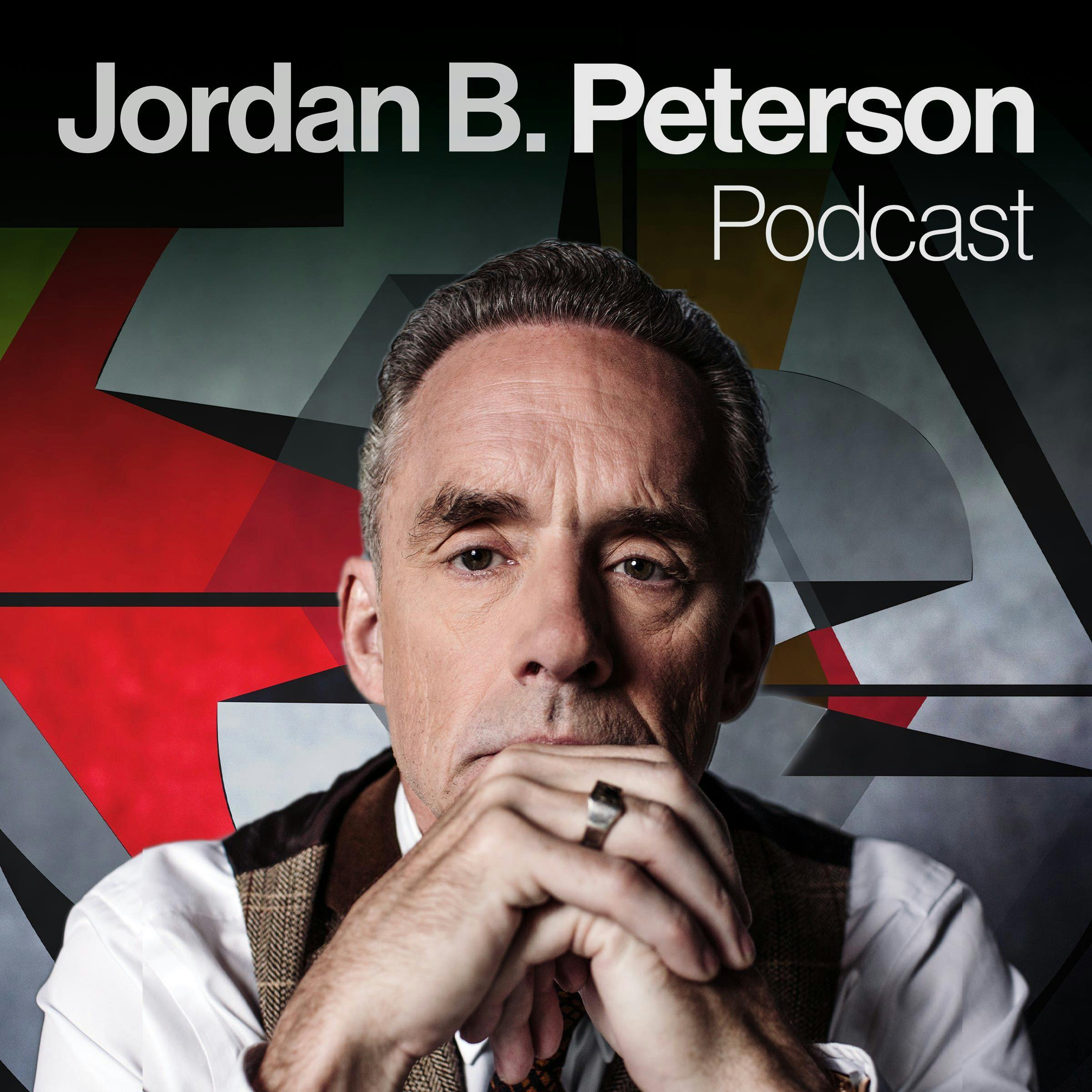
Overview of Follow Whatever Glitters In The Corner
Dr. Jordan B. Peterson delivers a live lecture centered on the biblical story of Cain and Abel, using it to argue that human life is structured around calling, sacrifice, truth, responsibility, and transformation. He frames the “burning bush” as a symbol of whatever in life captures your attention and draws you toward growth, then contrasts two responses to that call: Abel’s wholehearted offering versus Cain’s resentful, second-rate sacrifice. The talk expands from Genesis into broader themes like meaning, leadership, maturity, the dangers of bitterness, and Peterson’s view that the moral order is built into reality itself.
Core Themes and Main Ideas
Attention as a call to transformation
- Peterson argues that the things that “glitter in the corner” of your attention are not random distractions, but potential calls to development.
- He links this to Moses and the burning bush: a subtle but compelling summons that pulls a person off the beaten path and into a new way of being.
- His central idea: what fascinates you can lead you toward becoming more than you are.
Sacrifice as the foundation of maturity
- A major theme is that sacrifice, maturity, and work are fundamentally the same process.
- Growing up means replacing immediate gratification with long-term responsibility, discipline, and delayed reward.
- He emphasizes that healthy sacrifice is not self-destruction, but the willingness to give your best now for a better future.
The moral meaning of work
- Work is portrayed as a covenant with the future:
- you invest effort now,
- trust the future to reward it,
- and contribute to your family and community.
- Peterson says societies collapse when people stop believing their sacrifices will be recognized or rewarded.
Truth, meaning, and God
- He treats “God” not mainly as an argument for existence, but as a definition of the deepest moral and existential order.
- Truth and adventure are presented as inseparable:
- telling the truth leads you into the unknown,
- but also into the most meaningful path available.
- He argues that the biblical worldview places moral order at the center of reality, not as an add-on.
Cain and Abel: The Lecture’s Central Interpretation
Abel represents the proper sacrifice
- Abel gives God the best of his flock—the highest-quality offering.
- Peterson interprets this as the ideal human stance:
- offer your best,
- act in good faith,
- aim upward,
- and become the kind of person others can trust and follow.
Cain represents resentment and second-rate offering
- Cain offers less than his best and then becomes bitter when his offering is rejected.
- Peterson emphasizes the psychological progression:
- mediocre effort,
- rejection,
- resentment,
- accusation against God and reality,
- and finally violence.
- Cain’s murder of Abel becomes the archetype of resentment destroying the good.
The story as a pattern for history
- Peterson reads Cain and Abel as a template for civilization:
- one path leads to competence, responsibility, and blessing,
- the other to envy, cynicism, violence, and social decay.
- He suggests that when societies attack the successful or interpret success itself as corrupt, they move toward breakdown and chaos.
Broader Cultural Commentary
The West, meaning, and the sexual revolution
- In the Q&A, Peterson argues that the West’s malaise is not simply technological or economic.
- He claims the sexual revolution and the pill were enabled by a prior moral shift toward pleasure without responsibility.
- He presents this as part of a broader rejection of long-term sacrificial living in favor of short-term gratification.
Marriage and commitment
- His advice on marriage is blunt: you never really know when you’re ready.
- The best time to marry, in his view, is when your relationship is grounded in truth and mutual commitment.
- Marriage is described as a leap of faith into an unpredictable future, requiring honesty and adaptability.
A critique of short-term hedonism
- Peterson links casual, consequence-free sexuality to personality traits like:
- narcissism,
- Machiavellianism,
- psychopathy,
- and even sadism.
- His larger point is that short-term gratification tends to erode family structure, trust, and social stability.
Notable Q&A Takeaways
Why God matters
- A questioner challenges whether Peterson’s advice needs God at all.
- Peterson’s answer: God names the underlying order that makes truth, sacrifice, and growth more than mere conventions.
- He insists the biblical narrative presents morality as something discoverable, not invented.
Favorite Bible verse
- Peterson names “the truth will set you free” as a favorite.
- He explains that truth is freeing because it aligns you with reality and reduces self-deception.
On readiness for marriage
- His answer is that no one can fully know the future.
- Marriage, like many major life decisions, must be approached in faith, with truth as the best guide.
Key Takeaways
- Follow what genuinely calls to you; it may be the pathway to growth.
- Offer your best, not a cynical or half-hearted substitute.
- Resentment is spiritually corrosive and can destroy both the self and society.
- Truth and responsibility are better foundations for life than pleasure without cost.
- The biblical stories are not just moral tales; Peterson treats them as maps of human nature and civilization.
Bottom Line
This talk is a dense, extended meditation on the idea that human life becomes meaningful through sacrificial commitment to truth and responsibility. Using Cain and Abel as his central example, Peterson argues that the choice between striving upward and giving in to resentment is not just personal—it shapes families, communities, and civilizations.