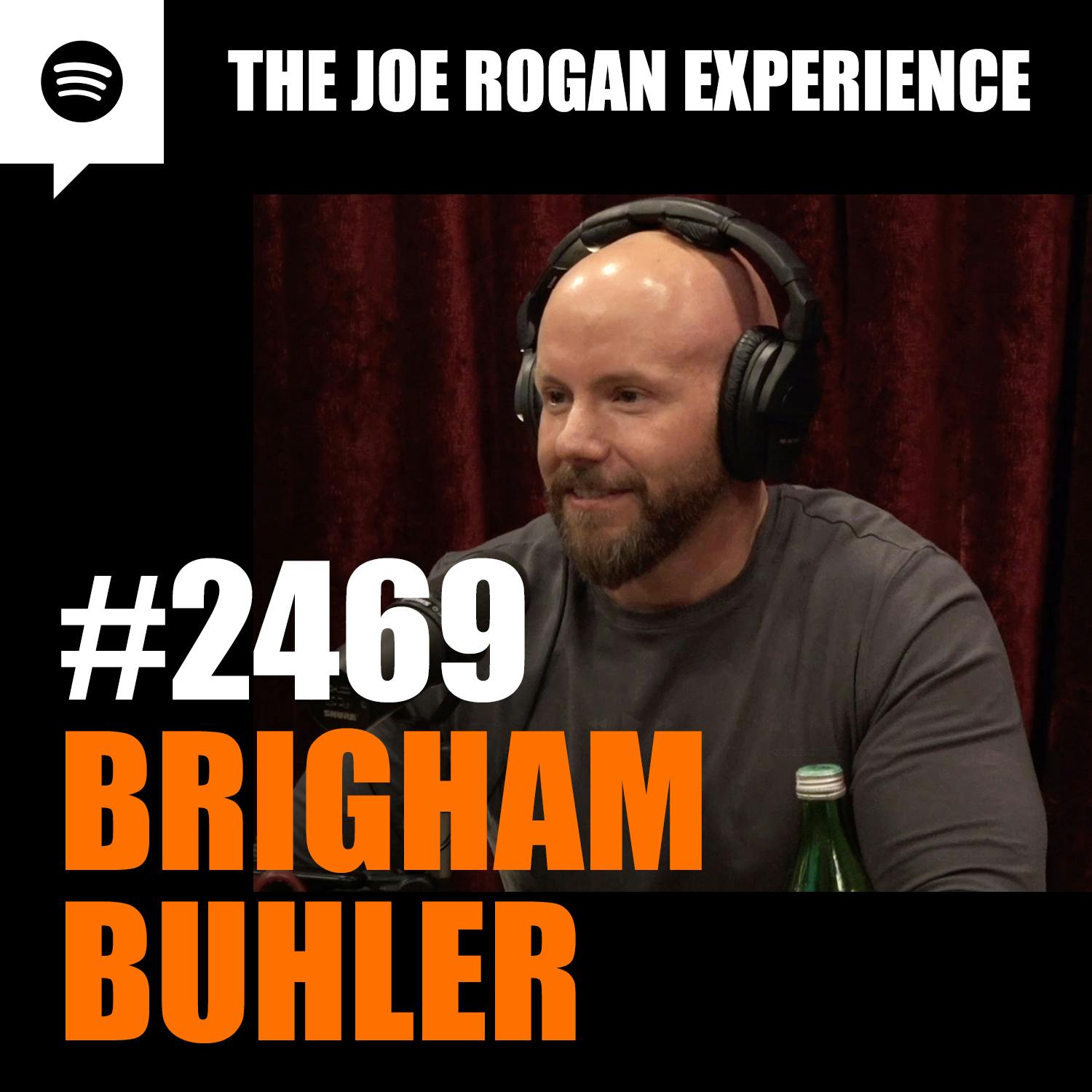
Overview of #2469 - Brigham Buhler (The Joe Rogan Experience)
Guest Brigham Buhler (founder/CEO of Ways to Well / longevity clinic entrepreneur) joins Joe Rogan to discuss peptides, the evolving FDA/regulatory landscape, sex hormones (testosterone/HRT) myths, pharmaceutical lobbying around GLP‑1s, compounding pharmacies vs. brand drugs, state-level regulatory work, cash‑pay “life raft” models for proactive medicine, gene sequencing, Muse stem cells, plasmapheresis, and how AI/wearables fit into personalized preventive care.
Key topics covered
- FDA reclassification pressure on peptides and ongoing meetings with HHS/FDA leadership (optimism about change after prior stonewalling).
- The origins of fear around testosterone and prostate cancer (a tiny 1930s study vs. modern evidence).
- How big pharma and lobbying influenced the GLP‑1 / peptide backlash; the Hims (telehealth) controversy and alleged Novo Nordisk deal used as an example.
- Compounding pharmacies, gray/black market peptide supply, safety/sterility concerns, and the consequences of banning compounding.
- Three healthcare pathways: traditional sick‑care (insurance/pharma), expensive concierge/high‑end cash models, and scalable cash‑pay preventive models (Brigham’s preferred “life raft”).
- Gene sequencing and epigenetics as tools for personalized, predictive medicine.
- Muse stem cells (a rare, stress‑enduring subset) — biology, putative advantages, and early clinical promise.
- Plasmapheresis (therapeutic plasma exchange) as an “oil change” for inflammatory/toxic plasma contents.
- Using AI/large‑language models, wearables, DEXA/VO2/biomarkers to scale concierge‑level diagnostics and track outcomes.
- State‑level legislative progress (Texas, Florida, Arizona, Utah) as a path to access before federal changes.
Main takeaways
- Regulatory momentum: Buhler is optimistic the current HHS/FDA leadership is more open to creating pathways for peptides, stem cells, and other biologics, after a prior period of opaque classification and FOIA non‑responses.
- Testosterone myths: Longstanding fears about TRT causing prostate cancer stem from a tiny early study and have been debunked by subsequent research; FDA is reexamining black box warnings for hormones.
- Pharma economics matter: The extremely high cost and lobbying power of big pharma fundamentally shape what gets regulated, approved, and covered — and helped trigger crackdowns on non‑brand peptide access.
- Black/gray market risks: A large share of demand for peptides has moved outside clinician/pharmacy oversight; that carries sterility, dosing, and safety risks and fuels regulatory crackdowns.
- Pragmatic solution: Buhler argues for restoring regulated compounding/clinician oversight (not a pharma monopoly), plus a parallel cash‑pay “life raft” healthcare model that focuses on proactive, personalized care without relying on insurers.
- Muse stem cells: Early data (and overseas clinical use) suggest Muse cells could be uniquely pluripotent, non‑tumorigenic, stress‑resilient, and better at homing to damaged tissue than older MSC approaches — promising for neuro, cardiac, orthopedic use. Still early-stage science.
- Data + AI = scale: Combining gene sequencing, robust biomarker panels, DEXA/VO2, wearables and LLMs could allow predictive interventions years before chronic disease appears.
- Practical clinic-level tools: Buhler highlights plasm apheresis, extracellular vesicles, peptides, hormones, and stem cells as parts of a stacked approach to restore function and reduce inflammation.
Notable quotes / insights
- “Build a life raft” — create an alternative, cash‑pay pathway for proactive medicine rather than waiting a decade for insurance/FDA system overhaul.
- “This system was born in captivity.” — critique of how the current pharma/insurance/regulatory ecosystem evolved to monetize chronic disease.
- On hormones: the prostate‑cancer fear “came from a study from the 1930s” with just three patients — later research has not shown TRT causes prostate cancer.
- “Today is the most dangerous time it has ever been in the history of peptides” — because of rampant unregulated supply chains and influencer‑driven marketing.
- Muse stem cells: described as “multi‑lineage, stress‑enduring” cells that can home to damaged tissue, take on that cell’s phenotype, and appear non‑tumorigenic.
Topics discussed (concise list)
- Peptide reclassification and FOIA/administrative history
- GLP‑1s, weight‑loss drugs, dosing/titration, and pharma lobbying
- Hims/Hims & Hers marketing/legal controversy
- Hormone replacement therapy (male & female) and regulatory label changes
- Compounding pharmacies (503A/503B), API sourcing, and chain‑of‑custody
- State vs. federal regulatory strategies (Compassionate Use / state bills)
- Muse stem cells: discovery (Mari Dazawa), mechanisms (phagocytosis/homing), early results
- Plasmapheresis / therapeutic plasma exchange
- Gene sequencing, epigenetics, wearables, DEXA, VO2 max
- AI/LLM integration for scalable concierge care and patient data aggregation
- Microplastics and endocrine disruptors (example: Philip Lee case)
Practical recommendations / actionables (for listeners)
- If you’re curious about hormones: get baseline labs and discuss risks/benefits with an informed clinician (don’t rely on outdated prostate myths).
- Be cautious buying peptides online: seek clinician oversight, verified compounding pharmacies, and lab‑tested API sources when possible.
- Consider getting better diagnostics (comprehensive blood work, DEXA, VO2, and — optionally — gene sequencing) if pursuing longevity/preventive care.
- If interested in regenerative options (stem cells, Muse): investigate clinic credentials, chain of custody, published data, and legal/regulatory status in your state.
- Follow state law changes in Texas/Florida/Arizona/Utah if exploring in‑country access to emerging biologics; travel abroad remains common but carries risks.
Caveats & context
- Much of the regenerative/stem‑cell work (Muse included) is promising but still early; many studies and real‑world reports come from international centers where regulatory standards differ.
- Buhler’s perspective is both clinical and entrepreneurial — he advocates for cash‑pay, clinician‑driven models and is an active participant in the sector.
- Regulatory details and company names (e.g., Hims/HIMS, specific pharma deals) were discussed conversationally; specifics and timelines evolve rapidly and should be checked from primary sources for decisions.
If you want a one‑sentence summary: this episode argues that peptides, hormones, stem cells and advanced diagnostics — combined with better regulatory pathways, clinician oversight, and AI‑driven data systems — could shift the US from “sick care” to true preventive, personalized medicine, but turf battles with big pharma and unregulated markets are the primary obstacles.