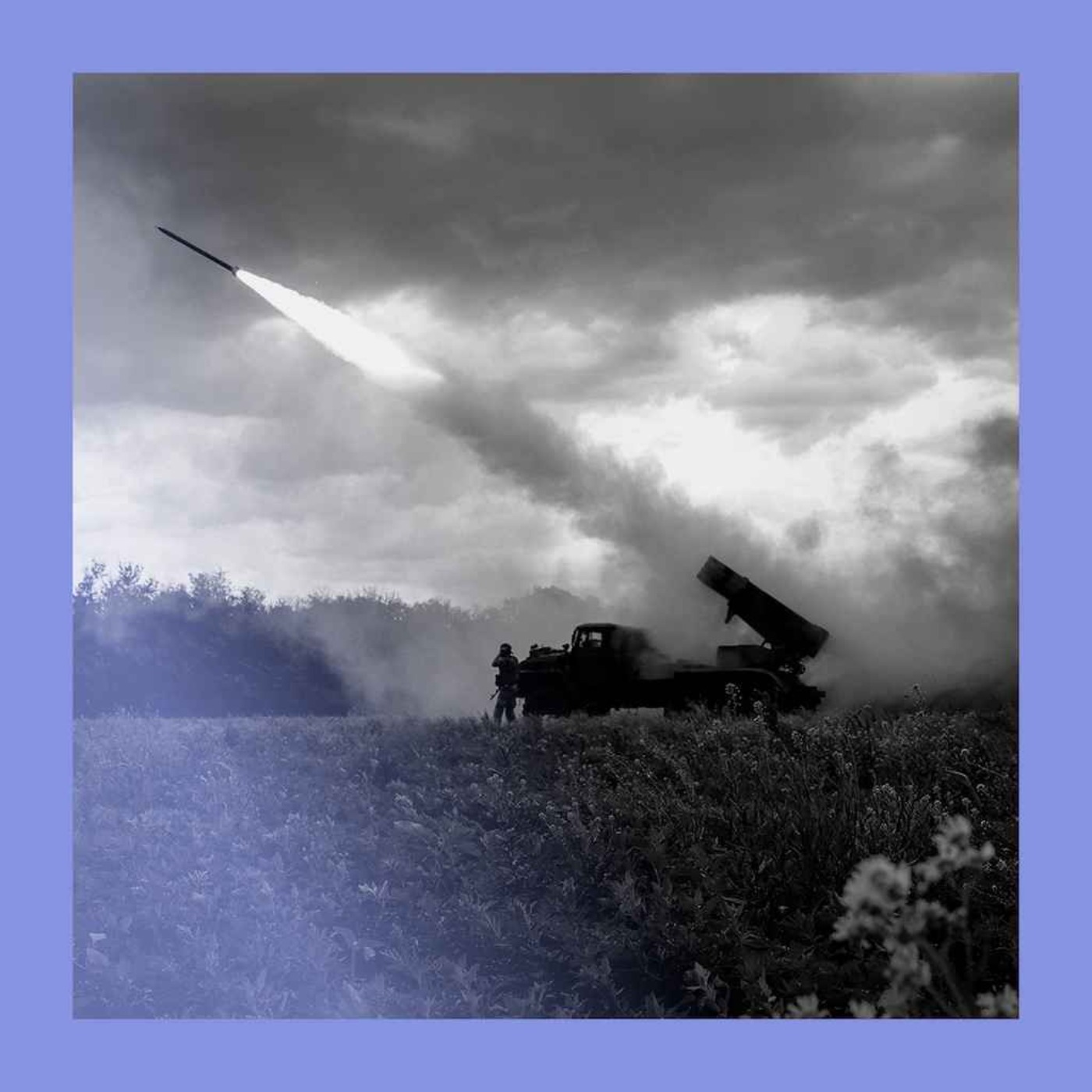
Overview of What price victory? Ukraine on the front foot
This Economist episode opens with an assessment of Ukraine’s improving military position against Russia, but stresses that battlefield momentum does not answer the larger question: what kind of country will remain if the war drags on for years. It then shifts to two very different economic signals — Home Depot as a barometer of the stalled U.S. housing market, and the global supply chain for cricket bats, where English willow has become a scarce, expensive strategic resource.
Ukraine: gains on the battlefield, uncertainty about the future
- Ukraine’s front line situation is described as the most promising it has been in some time.
- Russia is now reportedly suffering casualties faster than it can replace them.
- Elite Russian assault training has been compressed to roughly 10 days instead of months.
- Ukraine estimates Russia’s training system cannot scale much beyond about 50,000 troops at a time.
- Ukrainian drone operations are a major factor in the shift:
- Intermediate-range drones are hitting Russian logistics, ammunition, and radar systems.
- Longer-range strikes are reaching deep into Russia, targeting defense and energy infrastructure.
- Ukraine is also benefiting from:
- A revamped defense ministry team.
- New European financial support, including a long-awaited funding package.
- But the war is still exacting a heavy price:
- Russian missile and drone strikes, including on Kyiv, show Ukraine remains vulnerable.
- Civilian infrastructure, especially power, remains under strain.
Political and social strains inside Ukraine
- Public morale has held up better than expected, even through a difficult winter.
- Still, the episode highlights growing internal fractures:
- Corruption scandals touching presidential circles.
- Distrust of institutions.
- Discontent over conscription and draft enforcement.
- Increasing numbers of men avoiding mobilization.
- The political system is becoming more centralized and more brittle under wartime pressure.
- The central warning: even if Ukraine can hold out militarily for another two to three years, victory may still leave it poorer, more centralized, and deeply war-worn.
Bottom line on the war
- A negotiated settlement looks unlikely in the near term.
- The most likely scenario is prolonged attrition.
- The real question is no longer simply whether Ukraine survives, but what form that survival takes.
Home Depot: a bellwether for a frozen housing market
- Home Depot is presented as a useful indicator of the U.S. housing market because its sales rise and fall with home improvement activity.
- Current signs point to a gridlocked market:
- Shoppers are still buying small items like garden tools and paint.
- They are not starting major projects like kitchen or bathroom remodels.
- The core problem is low housing turnover:
- Existing home sales have fallen to their lowest level in decades.
- Home Depot’s U.S. sales have been flat or falling for several years.
Why the market is stuck
- Higher mortgage rates are a major drag.
- Many homeowners have ultra-low pandemic-era mortgages, so they are reluctant to move and give up those rates.
- Sellers are also unwilling to realize losses, so they stay put rather than accept lower prices.
- The result is a market with relatively stable prices but very few transactions.
What could change?
- Borrowing costs would need to fall meaningfully to restart activity.
- Short-term turnover may come only from forced sellers, such as people moving for work or divorcing.
- Home Depot is adapting by courting professional builders, who spend more than DIY customers and now account for roughly half of revenue.
- The company has also spent heavily to buy wholesale distributors serving contractors.
Cricket bats: the supply chain hidden in English willow
- The episode then turns to the niche but revealing world of cricket bat manufacturing.
- High-end bats are made almost entirely from English willow, which is prized for its performance and “ping.”
- Prices for top bats have risen sharply, driven in part by demand from India’s growing cricket market.
JS Wright & Sons and the willow bottleneck
- JS Wright & Sons in Essex supplies wood for about three-quarters of the world’s willow bats.
- Demand is high, but supply is slow:
- English willow takes about 15 years to reach maturity.
- Trees require careful maintenance to preserve grain quality.
- Growers face losses from deer, squirrels, beavers, and neglect.
- The firm is planting tens of thousands of saplings a year, but not all survive to maturity.
- Most of the wood is shipped to India as clefts, where it is finished into bats.
Rule changes and affordability
- The Marylebone Cricket Club (MCC), which governs the laws of cricket, is trying to keep bats affordable without changing the game too much.
- Amateurs will be allowed to use bats laminated from up to three pieces of wood.
- Professionals are still expected to use traditional single-piece willow.
- The MCC is cautious about creating a technology “arms race” like those seen in tennis or golf.
Key takeaways
- Ukraine is gaining ground militarily, but its political and social cohesion is under real strain.
- The war’s outcome may be measured not just by territory, but by the state of Ukraine’s institutions and economy afterward.
- Home Depot’s weak sales show how the U.S. housing market remains locked up by high rates and homeowner reluctance to sell.
- Cricket’s bat supply chain reveals how tradition, scarcity, and global demand can make even a niche material strategically important.