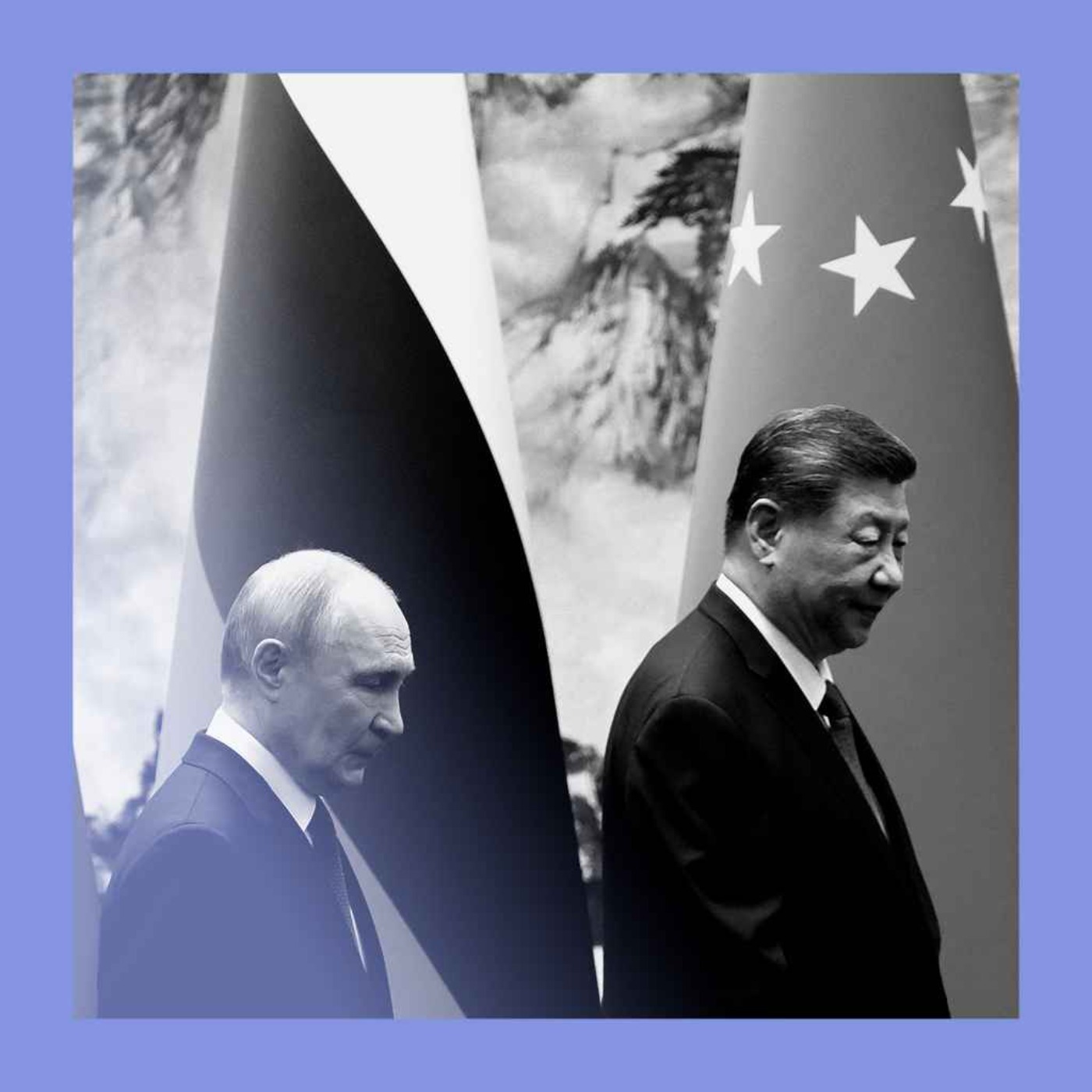
Overview of The Peking order: Xi meets Putin after Trump
This episode of The Intelligence from The Economist opens with a geopolitics segment on back-to-back Beijing summits with Donald Trump and Vladimir Putin, and what they reveal about Xi Jinping’s ambitions. It then shifts to two lighter but still analytical pieces: why the English Premier League became a global sporting powerhouse, and why “darecations” — adventure-heavy, adrenaline-fueled holidays — are becoming increasingly popular.
Xi Jinping, Putin, Trump: What the Beijing summits signal
Core argument
China’s carefully staged welcome for both Trump and Putin was not just ceremonial flair. It was a demonstration that Xi Jinping wants China to sit at the center of global geopolitics — able to engage Washington without abandoning Moscow.
Key points
- Xi and Putin remain close, with a relationship built on:
- Shared nationalist, authoritarian leadership styles
- Mutual hostility to Western liberal democracy
- A desire to weaken the US-led international order
- The power dynamic has shifted since Russia’s 2022 invasion of Ukraine:
- Russia increasingly depends on China for economic support and dual-use goods
- China has much more leverage, especially on major issues like energy and trade
- Putin’s priorities in Beijing likely included:
- Checking whether Trump’s visit might affect Russian interests
- Securing continued Chinese support for the war in Ukraine
- Coordinating positions on the Middle East, Latin America, and Asia
- Pushing for progress on a long-delayed Russia-China gas pipeline
- Xi’s priorities included:
- Showing that China can improve ties with the US without sacrificing its Russia partnership
- Positioning China as the decisive power in the US–China–Russia triangle
- Seeking Russian support on Taiwan and criticism of Japan’s military buildup
- Possibly gaining access to Russian military know-how, especially from Ukraine battlefield experience
Notable insight
- The article emphasizes that Russia needs China far more than China needs Russia.
- Xi’s success was not just in hosting both leaders, but in showing that he has better relations with each of them than they do with each other.
The Premier League: How English football became a global superpower
Main thesis
The Premier League’s dominance comes from a combination of international reach, openness to foreign talent, and unusually strong competition.
Why it succeeded
- Global export model
- The league was early to exploit overseas broadcasting rights
- Roughly half of its TV revenue comes from abroad
- Its global audience dwarfs many other sports leagues
- Openness to imports
- The league relies heavily on foreign-born managers and players
- It has been represented by players from 128 countries
- Star foreign players bring international fanbases with them
- Competitive balance
- TV money is distributed more evenly than in many other leagues
- Even mid-table clubs can spend heavily
- That raises the overall quality and unpredictability of the league
Financial takeaways
- Revenue is huge, but profit is harder to come by
- Clubs spend heavily on wages, often consuming the majority of revenue
- Success on the pitch, especially qualification for the Champions League, can transform finances
- Failure can trigger a downward spiral, especially for clubs that cannot keep up spending
Future watch
- A new independent football regulator is expected to introduce stricter licensing and oversight around 2027–28
- Supporters hope this improves sustainability
- Critics worry it could reduce the league’s dynamism
Darecations: Why people want terrifying holidays
What the trend is
“Darecations” are adventure holidays built around high-adrenaline experiences such as:
- Bungee jumping
- Canyoning
- Mountaineering
- Abseiling
- Other physically demanding outdoor activities
Why they’re growing
- Travelers want to push their comfort zones
- Experiences are increasingly chosen for:
- Novelty
- Bragging rights
- Social media appeal
- A sense of authenticity or exclusivity
- People are also buying more sports travel insurance, suggesting they’re taking these risks seriously
“Soft adventure” is also rising
For travelers who want excitement without full-on danger, the market is expanding into gentler versions:
- Kayaking on calm waters instead of whitewater
- Nature-based trips with added comfort or luxury
- Outdoor experiences that still feel special but are less extreme
Key takeaways
- China is using summit diplomacy to project power and reinforce Xi Jinping’s vision of a China-centered world order.
- Russia remains strategically dependent on China, despite the appearance of equality in public.
- The Premier League’s global success is built on early international expansion, foreign talent, and competitive financial structure.
- Adventure travel is becoming more mainstream, especially among travelers seeking memorable, shareable, and physically engaging experiences.