Overview of The Intelligence from The Economist
This episode centers on a wide-ranging interview with Elon Musk about AI, the future of humanity, and his increasingly political worldview. The discussion portrays Musk as both visionary and polarizing: deeply optimistic about technological progress, but also combative and often troubling in his views on Europe, migration, and politics. The episode also covers the growing global debate over lowering the age of criminal responsibility, and ends with an obituary-style tribute to Lebanese turtle conservationist Mona Khalil.
Elon Musk’s vision of the future
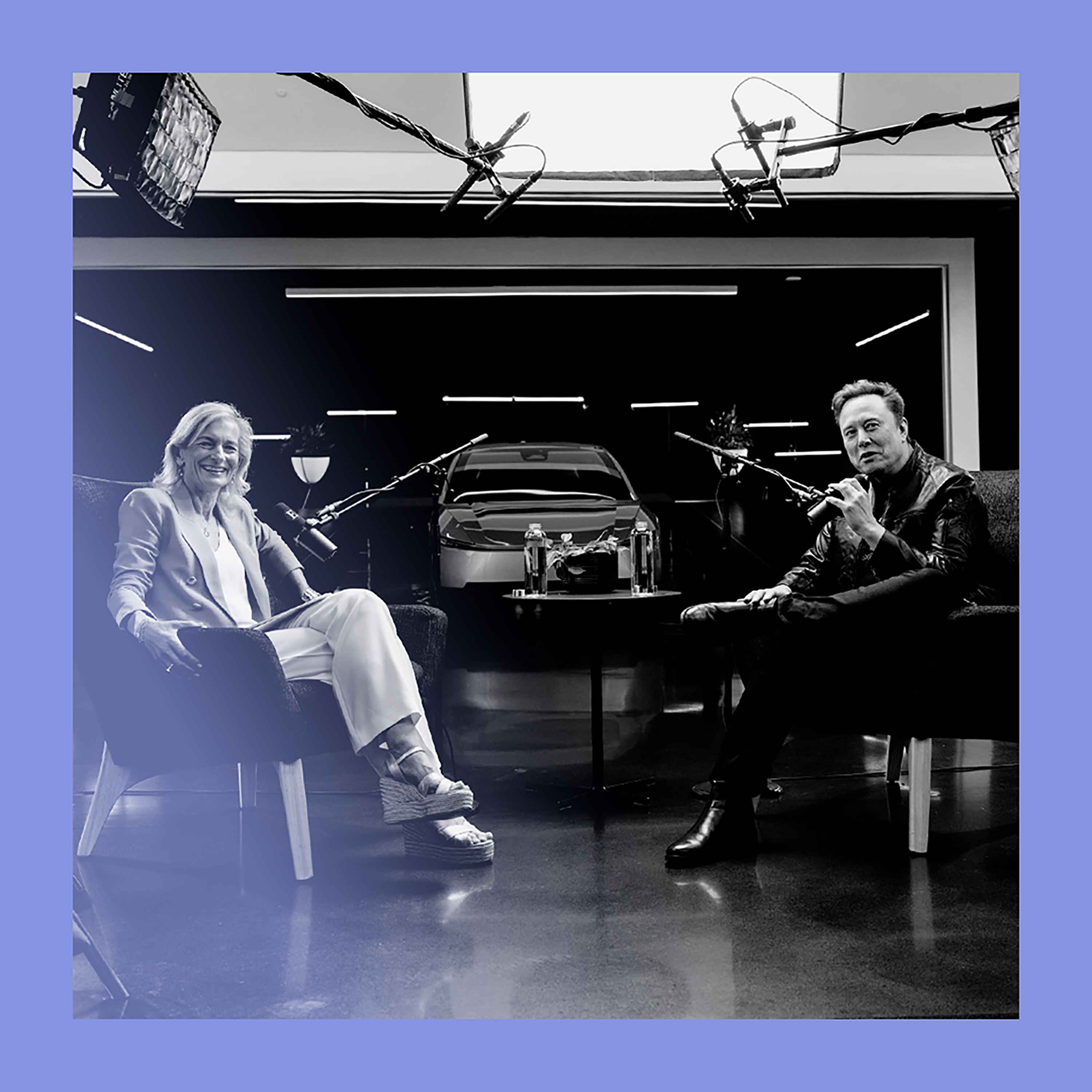
The main feature is an extended conversation with Elon Musk, conducted at Tesla’s Gigafactory near Austin, Texas. The interview explores how Musk sees the next decade of technology and society.
What Musk believes is coming
- Musk says AI will surpass human intelligence in roughly five years.
- He predicts that within 10 years, society could experience “incredible abundance”.
- In his view, money may stop mattering by 2036.
- He sees a future shaped by:
- AI systems
- humanoid robots
- orbital data centers
- a possible convergence of his companies’ ambitions
Musk’s shift on AI
- The interview highlights a striking contrast with Musk’s earlier warnings.
- He once described advanced AI as a potential existential threat and even suggested humans might become “pet Labradors” to superintelligent systems.
- Now, he is more resigned and upbeat:
- AI momentum is, in his view, unstoppable
- the best option is to shape it rather than stop it
- He emphasizes the importance of AI alignment and suggests top AI companies should coordinate more on safety.
Tensions and contradictions
- Musk comes across as intellectually energetic and sometimes funny, but also aggressive and unfiltered.
- The interviewer repeatedly challenges him on his political rhetoric, especially about Europe.
- The article’s key tension is that Musk is described as:
- extraordinary in his technological ambition
- but alarmingly inaccurate and bigoted in his present-day political views
Musk, politics, and Europe
A major part of the interview focuses on Musk’s political comments and his influence through X.
Main points raised
- Musk has a huge global audience and uses it to comment on European politics.
- He has suggested that civil conflict in Britain is inevitable and frequently posts about migration.
- The interviewer pushes back strongly on his claims that Europe is being destroyed by Muslim migration.
Musk’s defense
- Musk argues he supports:
- secure borders
- limited public spending
- safe societies
- He rejects the idea that this makes him “right-wing.”
The Economist’s view
- The interviewer argues Musk is:
- distorting reality
- amplifying far-right narratives
- encouraging harmful politics in Europe
- The conversation is described as heated and frustrating, with deep disagreement over facts and responsibility.
Musk and Trump-era politics
The interview also touches on Musk’s involvement in government and his relationship with Trump-era politics.
Key takeaways
- Musk says he got too involved in politics and “got carried away.”
- He is defensive about his role in DOGE and the consequences of cuts to aid programs.
- The interviewer disputes his claim that there were “zero deaths” from the sudden shutdown of aid, arguing it likely caused real suffering, especially in Africa.
Lowering the age of criminal responsibility
A second segment examines whether children should be treated as criminals at younger ages.
Sweden as the case study
- Sweden has begun opening special prison units for children aged 15 and above convicted of serious crimes.
- The government initially wanted to lower the age of criminal responsibility to 13, but lacked parliamentary support.
- A revised push to lower it to 14 is expected later in the summer.
Broader global trend
- Similar debates are underway in:
- Argentina
- the Philippines
- South Korea
- The UN recommendation cited in the segment is 14.
The core debate
- Supporters argue:
- gangs exploit younger children because they are below the threshold
- lowering the age could deter recruitment
- Critics argue:
- children lack full judgment, reasoning, and impulse control
- criminalization can trap them in a lifelong cycle of offending
- the real solution is to target gangs, not children
Evidence and concerns
- The report says the deterrent effect is doubtful.
- In Britain, where the age of criminal responsibility is 10, gangs still recruit children as young as 7.
- Data cited suggests:
- 80% of prolific adult offenders first committed crimes as children
- more than two-thirds of children released from youth sentences re-offend within a year
Mona Khalil and the “Orange House” turtles
The final segment is an obituary tribute to Mona Khalil, a Lebanese conservationist who devoted her life to protecting sea turtles.
Her story
- While walking on Mansouri Beach in Lebanon in 1999, Khalil saw a green sea turtle laying eggs.
- That moment changed her life: she became committed to protecting the nesting site.
What she did
- She helped restore her family’s old beach house, later known as the Orange House.
- Together with a friend, she turned it into:
- a guesthouse
- a conservation base
- a volunteer and education center
- She fought:
- destructive fishing practices
- coastal development
- pollution
- military and wartime disruption
Why she mattered
- The segment portrays her as determined, practical, and fearless.
- She became a local force for conservation, helping turn a vulnerable beach into a protected area.
- Her story is framed as one of persistence, loyalty, and devotion to place.
Key takeaways
- Musk is presented as a once-in-a-generation builder whose ideas may shape AI, robotics, and space.
- His optimism about the future is paired with disturbing present-day politics, especially around Europe and migration.
- The episode argues that AI’s advance is likely unstoppable, making safety and alignment urgent.
- The child-crime segment shows how public fear about gangs can push governments toward harsher policies, even when evidence is mixed.
- Mona Khalil’s story closes the episode on a note of quiet, place-based activism and environmental stewardship.