Overview of The Intelligence from The Economist
This episode of The Intelligence covers three very different stories: the mystery surrounding Aung San Suu Kyi’s condition and whereabouts under Myanmar’s junta, Turkey’s effort to profit from regional upheaval tied to the Iran conflict, and what the latest research says about the “ideal” amount of sleep. The common thread is uncertainty: in politics, economics, and even health science, the episode shows how difficult it is to pin down the right answer when conditions are unstable.
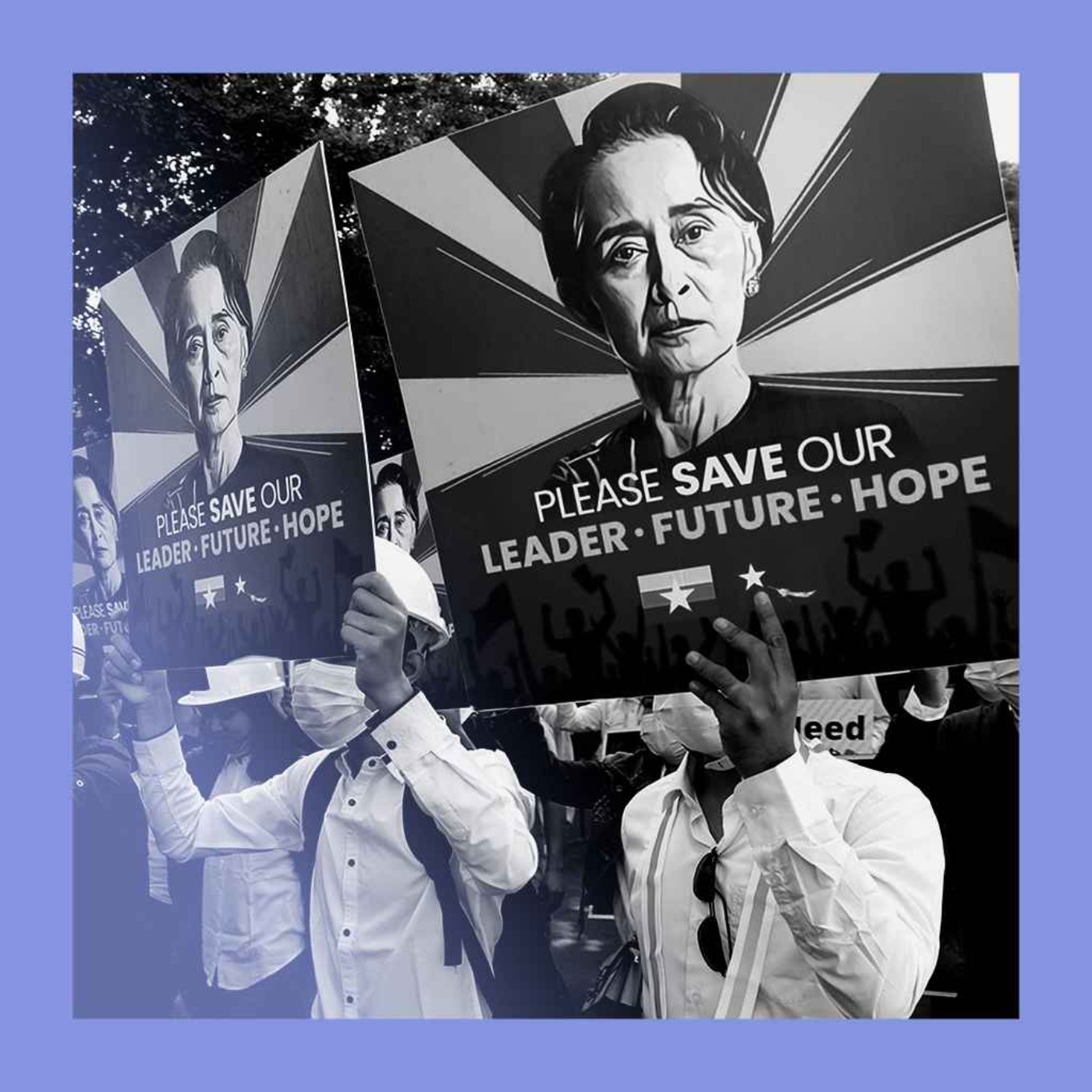
Aung San Suu Kyi’s “Proof of Life” Mystery
What happened
- Myanmar’s ousted civilian leader, Aung San Suu Kyi, has been imprisoned since the military coup in 2021.
- The last confirmed sighting of her was at the end of her show trial in December 2022.
- Since then, there have been unverified rumors and fragmentary reports about her condition, but no reliable proof of life.
- Her son, Kim Aris, has been lobbying foreign leaders to pressure Myanmar’s junta for access or confirmation that she is alive.
Key points
- Suu Kyi has spent roughly 15 years in detention across her political career.
- Her international reputation as a democracy icon remains strong, despite her controversial record in office.
- The junta has sentenced her to 33 years, later reduced to 27 years.
- Officials have claimed she was moved to house arrest and is in good health, but the evidence appears weak and possibly outdated.
- Foreign figures, including Narendra Modi and a UN envoy, have reportedly raised her case with Myanmar’s military leader.
Why the junta may be keeping her hidden
- The military may fear her symbolic power more than armed resistance.
- Even under repression, she still commands loyalty from many Burmese supporters.
- Revealing her condition—or allowing access—could weaken the junta’s diplomatic standing.
Broader takeaway
- The discussion argues that focusing on Suu Kyi’s fate should not eclipse the suffering of Myanmar’s 55 million people, many of whom face war, displacement, and repression.
Turkey’s Bid to Turn Regional Crisis Into Opportunity
What’s happening
- The conflict involving Iran has disrupted trade and raised energy prices, hurting much of the region.
- Turkey, however, is trying to capitalize on the turmoil by becoming a landing spot for:
- cargo,
- tourists,
- and capital fleeing Gulf instability.
Main developments
- Istanbul’s ports and logistics networks are busier than ever.
- The volume through one major Istanbul port has reportedly tripled since the Strait of Hormuz closed.
- Turkey is also benefiting from:
- alternative pipeline routes,
- increased transit traffic,
- and wealthy Gulf residents looking for safer places to park money.
Turkey’s pitch to investors
- The government has introduced major tax incentives for wealthy foreigners.
- The Istanbul Financial Centre is being promoted as a regional rival to Gulf financial hubs.
- Officials are trying to sell Istanbul as a “new Dubai” or “new Riyadh.”
Limits to the boom
- Turkey still has structural problems:
- inflation remains high,
- the lira is fragile,
- foreign reserves are under pressure,
- and investors distrust whether current stability will last.
- President Recep Tayyip Erdoğan’s past anti-interest-rate policies still haunt confidence.
- Even if Turkey is benefiting now, it lacks the deep state support and accumulated wealth that helped build Gulf megahubs.
Bottom line
- Turkey is seeing a real, but likely temporary, boost from regional disruption.
- The episode suggests that while Turkey can profit at the margin, it is still far from becoming a true Gulf-style financial powerhouse.
The Search for the Ideal Amount of Sleep
What science says
- Sleep has a U-shaped relationship with health: too little and too much sleep are both associated with worse outcomes.
- Traditional guidance from expert panels suggests:
- Ages 18–64: about 7–9 hours
- 65+: about 7–8 hours
- A more recent study suggested the sweet spot may be around 7 hours, while acknowledging uncertainty around oversleeping.
New research highlighted
- A 2025 Nature study used UK Biobank data to examine how sleep duration relates to the “biological age” of different organs.
- The study found the U-shaped pattern in multiple systems, including:
- the brain,
- lungs,
- liver,
- and skin.
- It suggested an optimal range of roughly:
- 6.5–7.8 hours for women
- 6.4–7.7 hours for men
Important caveats
- These are population-level findings, not a strict rule for every individual.
- Sleep quality, regularity, and continuity matter too.
- Experts emphasize not to obsess over the exact number, since worrying about sleep can itself cause insomnia.
Practical takeaway
- Aim for roughly 6 to 8 hours as a sensible target.
- More important than precision is whether you wake up feeling rested and functional.
Key Takeaways
- Myanmar: Aung San Suu Kyi remains a potent political symbol, and the junta’s secrecy around her may be strategic.
- Turkey: Regional conflict is creating short-term opportunities, but Turkey’s long-term appeal as a financial hub is still limited.
- Sleep: The best sleep amount is not a single magic number; consistency and sleep quality matter as much as duration.
Notable Insight
- The episode’s strongest recurring theme is that symbolism can matter as much as power:
- Suu Kyi’s symbolic force still unsettles Myanmar’s rulers,
- Turkey is trying to turn geopolitical chaos into economic symbolism,
- and sleep science is learning that simple rules often fail to capture the complexity of human health.