Overview of The Intelligence by The Economist
This episode centers on the escalating Ebola outbreak in eastern Democratic Republic of Congo and the wider challenge of responding to infectious disease in a region where public-health capacity is under strain. It also includes a political profile of Andy Burnham as a possible future UK prime minister, plus a lighter segment on the rise of celebrity book clubs and what they say about modern reading culture.
Ebola outbreak in the Democratic Republic of Congo
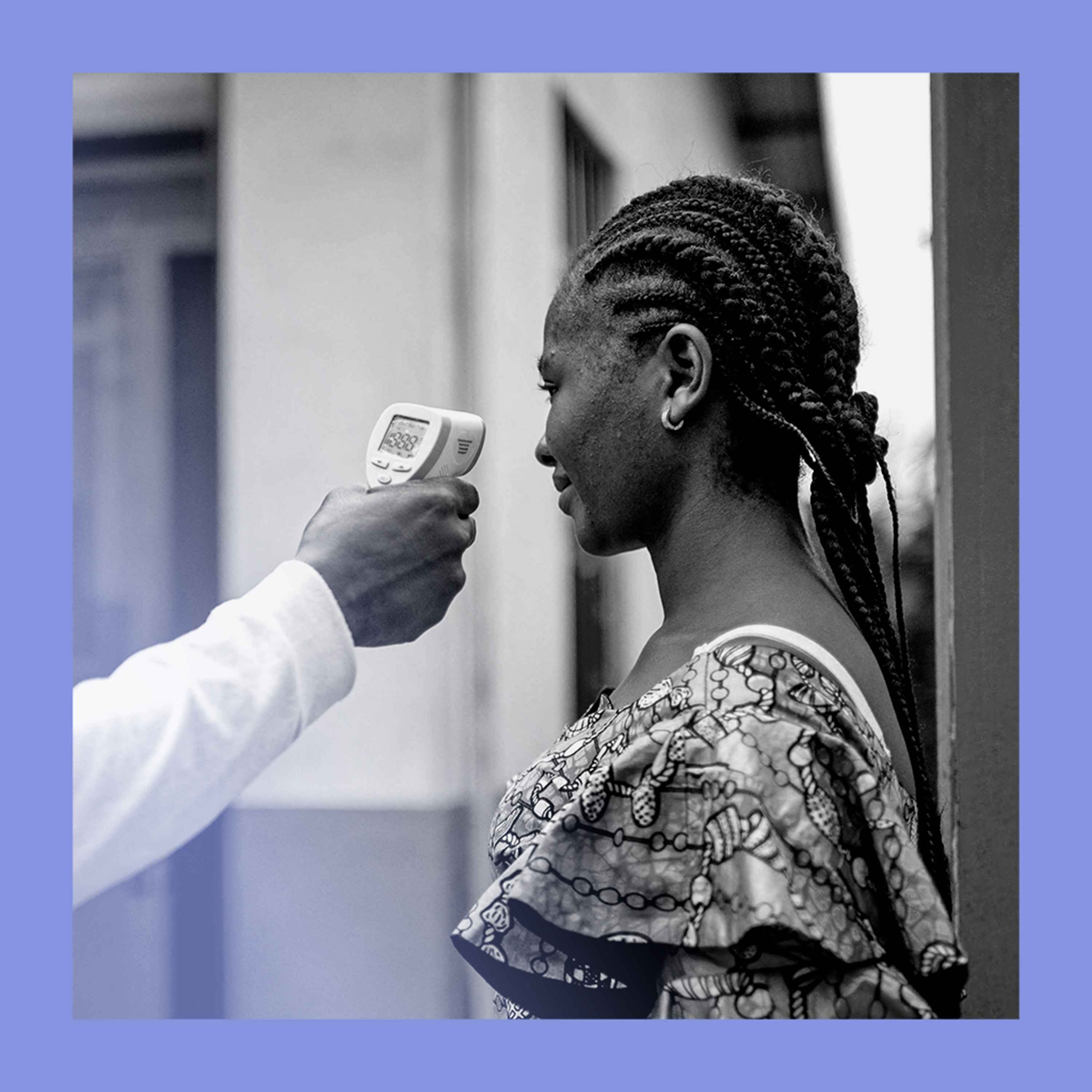
The main story examines why the World Health Organization declared the Ebola outbreak a public health emergency of international concern after cases appeared in eastern DRC and Uganda.
Key points
- The outbreak appears to be one of the worst since the 2014–16 West Africa crisis.
- Early figures suggest 100+ deaths and roughly 400 cases, though the transcript stresses these are likely underestimates.
- The virus may already have spread beyond DRC into Burundi, Rwanda, South Sudan, and possibly other nearby areas.
Why this outbreak is harder to contain
- The strain in question is described as the Bundibugyo strain, for which there is no known vaccine.
- Testing is more difficult than in some previous outbreaks.
- The region has fewer healthcare workers and a weaker local response network than in earlier years.
- State presence is limited in eastern DRC, where armed groups and instability complicate medical access.
What has changed since earlier Ebola outbreaks
- Africa is better prepared than it used to be:
- Ebola vaccines exist for some strains.
- Community health workers have become better at building trust and contact tracing.
- But this outbreak exposes gaps:
- The lack of a vaccine for this strain.
- Reduced aid and fewer frontline workers.
- A response system that is now weaker than at any point in the past decade.
Role of international aid
- The U.S. announced an additional $13 million in funding, but this is described as small compared with past support.
- Travel restrictions were also imposed on people recently in DRC, South Sudan, and Uganda.
- The broader concern is that Africa is increasingly being left to manage these outbreaks with fewer outside resources.
Main takeaway
The episode argues that Africa has the knowledge to fight Ebola, but not necessarily the resources. The “institutional immune system” built through science, public health, and community trust is still there — but it is under-resourced and more fragile than before.
Andy Burnham and the next UK leadership question
A second segment looks at Andy Burnham, Mayor of Greater Manchester, as a possible successor to Keir Starmer.
Why Burnham is being talked about
- Burnham is seen as a charismatic, approachable, and effective retail politician.
- As mayor, he has built a profile by:
- Co-ordinating a complex metropolitan region.
- Repeating simple, memorable policy goals.
- Pairing local governance with a broader political vision.
His political style
- He is described as:
- Charming and personable with voters.
- Confrontational with central government when he thinks the region is being shortchanged.
- His reputation rose sharply during COVID-19, when he publicly challenged the government over lockdown support for Greater Manchester.
Obstacles to becoming prime minister
Burnham would need to:
- Become the Labour candidate in a by-election in Makerfield.
- Win the by-election and enter Parliament.
- Win a future Labour leadership contest.
The transcript notes that this is difficult because:
- Reform UK has performed strongly in the area.
- He would also face competition from the Green Party and likely other Labour figures.
- Despite his popularity, he has not been tested at national scale.
Celebrity book clubs and the culture of reading
The final segment is a cultural essay on the popularity of celebrity book clubs.
Main argument
Celebrity book clubs — from Dua Lipa, Reese Witherspoon, Oprah Winfrey, and others — have made reading feel more visible and fashionable, but they also raise questions about sincerity and branding.
Key observations
- Publishers benefit because celebrity picks can boost sales dramatically.
- Readers benefit because celebrity clubs can act as a filter in a crowded book market.
- Critics argue some celebrities are using books mainly as brand accessories rather than out of genuine literary interest.
Balanced view
The piece makes room for both skepticism and defense:
- Some celebrity readers clearly love books and read seriously.
- Others, like some public-facing “feminism” book clubs, can feel forced or superficial.
- The segment concludes that book clubs are part of a broader contradiction:
- Reading rates are falling
- Yet discussion about reading is everywhere
Closing point
The essay suggests a simple antidote to all the cultural noise: actually sit down and read a book.
Overall takeaways
- Public health infrastructure matters: Ebola control depends on both science and community trust, and both are weakened by funding cuts and instability.
- Africa is more prepared than before, but still vulnerable: Knowledge has improved faster than capacity.
- Burnham remains a plausible but untested national figure: popular, skilled, and ambitious, but with major political hurdles ahead.
- Celebrity book culture is both useful and absurd: it can spread good books, but it also reflects the branding logic of modern media.