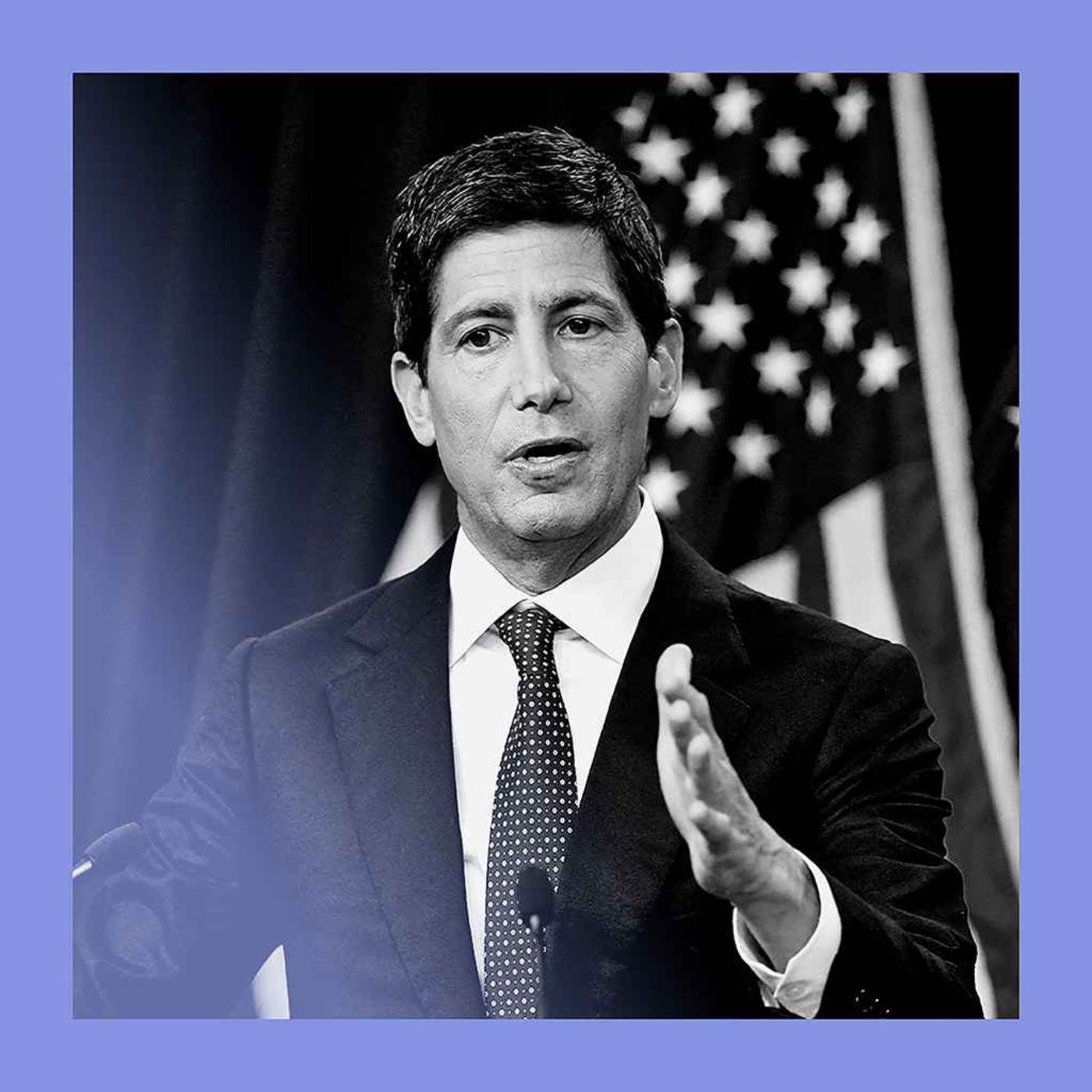
Overview of The Intelligence from The Economist
This episode covers three distinct stories: the Federal Reserve’s latest interest-rate move under its new chair Kevin Warsh, a pivotal Okinawa election that could ease Japan’s defense expansion, and a reflective backstory on how climate change is transforming the meaning of summer. The recurring theme is institutions under pressure — from monetary policy and political independence to regional politics and a changing climate.
Fed rate hike: Kevin Warsh’s first big test
What happened
- The Federal Reserve raised its benchmark interest rate by 0.25 percentage points to 3.75%–4%.
- It was the first rate increase since July 2023.
- The move came after a period of holding rates steady and was widely watched as a test of Warsh’s credibility and independence.
Why Warsh said he acted
- He emphasized that the US economy remains strong:
- resilient domestic spending
- robust productivity growth
- solid labor market
- strong capital investment
- While inflation matters, his argument leaned more on the economy’s strength and the need to prevent overheating.
- The ongoing Iran war was also noted as a factor pushing up oil prices and inflation risk.
Market and political reaction
- Markets had already been nudged in this direction after Warsh’s earlier, somewhat confusing messaging prompted volatility.
- His Jackson Hole speech had signaled a more orthodox stance and helped stabilize expectations.
- The response in markets was broadly favorable, with investors now expecting another hike before year-end.
- Donald Trump, who wanted lower rates, did not launch a full-blown attack on Warsh this time, instead focusing on the fact that the decision was unanimous.
Bigger takeaway
- The hike was about more than inflation: it was also a signal that Warsh is not simply a political appointee doing Trump’s bidding.
- The episode portrays him as still finding his footing, but increasingly trying to project traditional central-bank independence.
Okinawa election: a shift toward Tokyo and defense expansion
What happened
- In Okinawa’s gubernatorial election, Koja Genta won by a landslide, defeating incumbent Tamakin Deni.
- He became the youngest governor in Okinawa’s history and the first born after the US returned the islands to Japan.
Why Okinawa matters
- Okinawa hosts a large share of Japan’s US military footprint because of its strategic location near Taiwan and the first island chain.
- The bases are highly controversial locally because of:
- noise and environmental concerns
- accidents and safety incidents
- crime and historical grievances
- the sense that Okinawa bears an unfair burden for national defense
What changed politically
- Koja is more willing than his predecessor to work with Tokyo and to support the Henoko relocation project for Futenma Air Base.
- His win suggests voters are increasingly focused on economic issues over the decades-long base dispute.
- Okinawa remains economically weak, with low incomes and high child poverty, and Koja campaigned on raising incomes and supporting families.
Bigger takeaway
- The result is a boost for Japan’s conservative camp and likely makes it easier to push forward defense reinforcement in the southwest, aimed at countering China.
- But local opposition has not disappeared; if tensions flare again, Koja will still be tested on whether he sides with Okinawans or Tokyo.
Backstory: summer is being reshaped by climate change
Main argument
- The essay argues that the classic Western idea of summer — fleeting, electric, carefree — is being undermined by global warming.
- Summers are becoming longer, hotter, and less pleasant, and in some places the season is no longer a special escape but a prolonged burden.
How summer is changing
- By some projections, summer in the Northern Hemisphere could last six months by 2100.
- Extreme heat is forcing changes in:
- school calendars
- holiday timing
- tourism patterns
- outdoor leisure and social rituals
Cultural and practical consequences
- Mediterranean summer holidays may shift to spring or autumn.
- Cooler places like Scandinavia, Wales, New England, and other milder destinations may become more attractive.
- Outdoor pleasures are likely to be squeezed:
- campsites and campfires
- festivals and garden parties
- beach life and outdoor romance
- Some activities may move indoors as people try to escape heat, smoke, drought, and wildfire risk.
Bigger takeaway
- The piece suggests climate change is not just altering weather — it is rewriting the social calendar and emotional meaning of summer.
- The traditional summer of memory, leisure, and youthful freedom may become a relic of the past.
Key takeaways
- The Fed hike signals that Warsh wants to be seen as an orthodox, independent central banker, not a political loyalist.
- Okinawa’s election may smooth the way for Japan’s defense buildup, even as local resentment over US bases remains.
- Climate change is transforming summer itself, shifting vacations, habits, and cultural traditions in ways that will be felt far beyond hotter weather.