Overview of The Intelligence from The Economist — “Peace fire: further US-Iran strikes”
This episode covers three distinct stories: the breakdown of a fragile US-Iran ceasefire and the return of military strikes; the rise of “filial piety” laws across Asia that legally compel adult children to care for aging parents; and a Route 66 feature in Oklahoma about the historic Threatt filling station, a Black-owned roadside business that served as a safe haven during segregation.
US-Iran: ceasefire under extreme strain
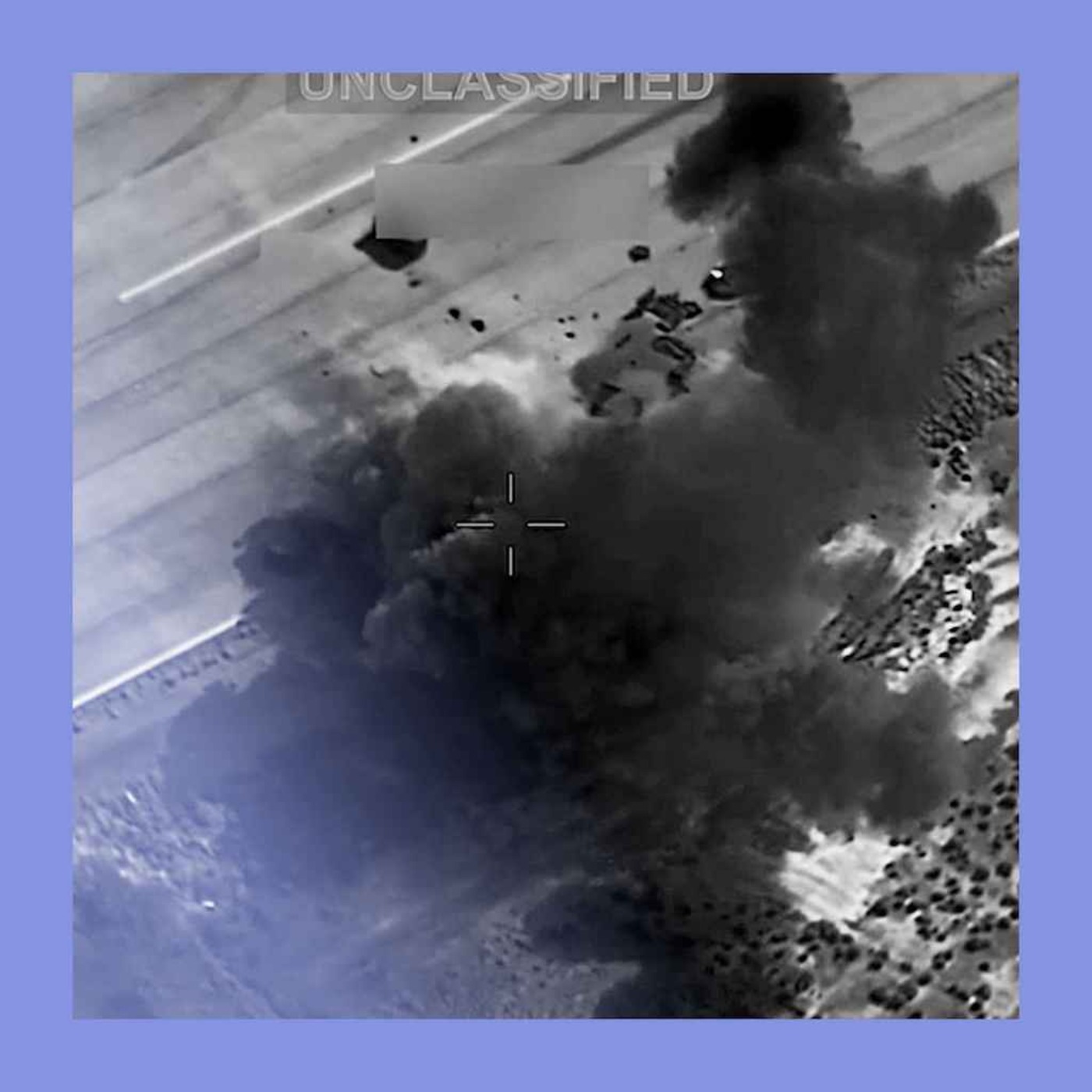
The main segment focuses on the rapid deterioration of US-Iran relations after renewed strikes on both sides.
- The US hit around 90 targets in a second day of strikes on Iran.
- Iran retaliated by striking American bases in Bahrain and Kuwait.
- Oil prices rose and traffic through the Strait of Hormuz stalled.
- Negotiations that were supposed to resume soon now look far more precarious.
What changed
Reporter Nicholas Pelham argues that the death of Ayatollah Ali Khamenei has created a more impulsive, less balanced Iranian leadership:
- Khamenei had previously acted as a check between diplomacy and confrontation.
- The new leadership appears more willing to use military pressure as part of negotiations.
- Public mood in Iran, especially during Khamenei’s funeral procession, has turned more defiant and nationalist.
Key implications
- Iran may believe it can secure regional influence without a deal.
- Hardliners are portraying compromise as weakness or “selling out.”
- Gulf states are increasingly worried about Iranian control over regional waterways.
- Despite the belligerent rhetoric, both sides still have strong incentives to negotiate:
- Iran needs economic relief after sanctions, isolation, and war damage.
- The US has not achieved a stable outcome through force.
Bottom line
The episode frames the situation as a dangerous reset: diplomacy is still possible, but both governments are acting more recklessly, making a durable agreement much harder to achieve.
Asia’s growing use of filial piety laws
The second segment looks at how countries in Asia are increasingly turning family care for the elderly into a legal obligation.
What these laws do
Different countries are experimenting with different enforcement tools:
- India (Telangana): adult children may have up to 15% of their salary redirected to parents.
- China and Singapore: long-standing laws reinforce duties to support and visit aging parents.
- Shanghai: defaulters can be blacklisted, affecting travel, loans, and jobs.
- Malaysia and the Philippines: new or proposed laws would criminalize neglect or abuse, with penalties ranging up to prison time.
Why this is happening
The discussion links the trend to demographic and social change:
- Asia is aging rapidly.
- Families are smaller, more urban, and more financially stretched.
- Traditional expectations of filial duty remain, but the old economic model no longer works.
- Public welfare and elder-care systems are often underdeveloped, leaving families with few options.
Critique of the policy approach
The segment suggests that punishment alone is not enough:
- Many cases reflect inability, not cruelty.
- Better solutions would include:
- step-down medical care,
- nursing facilities,
- and broader elder-care support systems.
- The episode notes criticism that governments should have anticipated these problems, especially in places like China after the one-child policy.
Route 66 and the Threatt filling station
The final story takes listeners to Oklahoma, where Route 66 nostalgia is contrasted with a more complicated historical reality.
Main theme
Route 66 is often romanticized as a symbol of simpler, safer, more prosperous America — but that image excluded many Black travelers.
- During Jim Crow, many towns and businesses refused service to Black motorists.
- The Green Book helped Black travelers find safe places to eat, stay, and refuel.
- “Sundown towns” posed serious dangers after dark.
The Threatt family’s role
The feature centers on the Threatt filling station in Luther, Oklahoma:
- It was the only known Black-owned and operated filling station on Route 66.
- It functioned as a safe haven for Black travelers between two sundown towns.
- The family’s property included space where travelers could eat, rest, and sleep safely.
- The site has been restored and recognized as a historic landmark.
Why it matters
The restoration is presented not just as preservation, but as reclaiming a hidden part of American history:
- It preserves Black mobility and survival during segregation.
- It tells a fuller story of Route 66.
- It reminds listeners that the “open road” was not equally open to everyone.
Key takeaways
- Middle East: The US-Iran ceasefire is unraveling, and both sides are now using force and symbolism to strengthen their negotiating positions.
- Asia: Aging populations are pushing governments to legislate family responsibility for elder care, but legal compulsion may be a poor substitute for social support systems.
- Route 66: Nostalgia for America’s past often erases the racial realities that shaped who could safely travel, stop, and belong.
Notable insight
- The episode’s recurring theme is that public narratives often hide structural power:
- in war and diplomacy,
- in family responsibility,
- and in national memory.