Overview of The Intelligence from The Economist
This episode moves across three very different stories: the fragile, recurring cycle of conflict and half-made deals between the U.S. and Iran; China’s growing push to export AI services like driverless taxis; and an obituary profile of Wally Funk, the pioneering aviator who became the oldest person to travel to space at age 82.
Iran, Hormuz, and the limits of Trump-era dealmaking
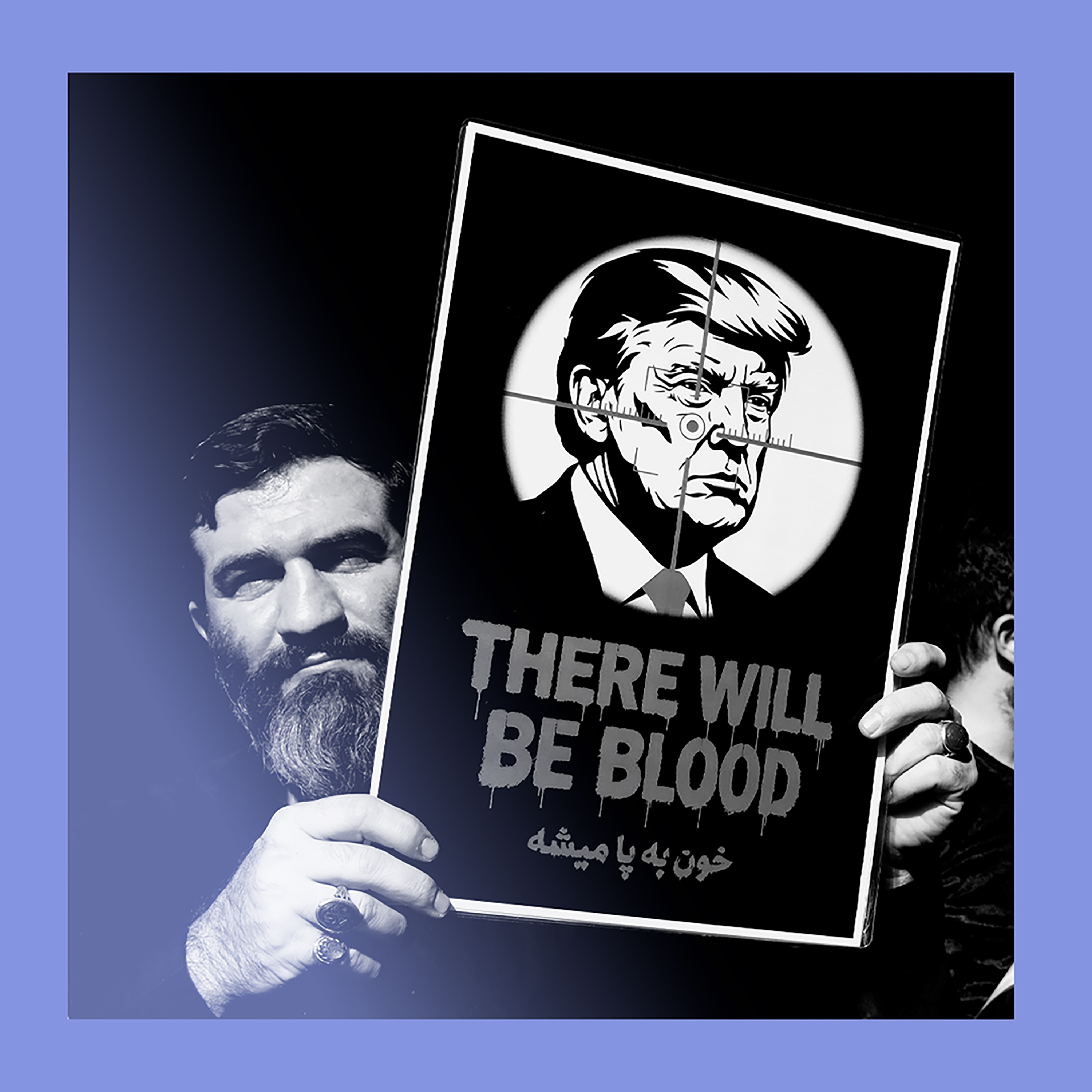
The first segment argues that the U.S.-Iran conflict is trapped in a loop: brief truces, renewed strikes, and underdeveloped diplomacy. The main focus is a June memorandum of understanding that was supposed to open the door to a broader settlement, but instead has produced little more than continued bargaining over narrow issues.
Key points
-
The Strait of Hormuz remains the flashpoint.
- Oman has been mediating indirect talks between the U.S. and Iran.
- One proposal would create a regional consortium to manage Hormuz, with no tolls on shipping but possible voluntary environmental fees.
- Iran rejected that idea and instead demanded complete control over inbound traffic — a position the U.S. and Gulf states would not accept.
-
The original MOU is largely unraveling.
- It was meant to end the conflict, but fighting resumed within weeks.
- Both sides are still disputing frozen Iranian funds and when sanctions relief would actually begin.
- The broader 60-day window for a comprehensive nuclear-and-sanctions deal is running out with almost no progress.
-
Neither side has a decisive military solution.
- The U.S. could escalate with more airstrikes, but that would not eliminate Iran’s ability to retaliate with drones, missiles, or regional pressure.
- Iran can raise the costs of war, but not force Washington into a favorable settlement.
- The result is a stalemate that can only be resolved through a serious compromise — which neither side seems ready to make.
Wider regional lesson
The episode broadens the point beyond Iran:
- Yemen: a truce between Saudi Arabia and the Houthis never matured into a real peace, and violence has flared again.
- Gaza: diplomatic frameworks remain vague on core issues like Hamas disarmament and Israeli withdrawal.
- Lebanon: agreements around Hezbollah and Israeli troop withdrawal are still undefined.
Bottom line: the show argues that diplomacy in the region has become too skeletal — “deals to make deals” without enough substance to actually end conflicts.
China’s AI export push
The second segment examines how Chinese companies are moving AI-powered services abroad, especially driverless taxis, and why the trend may matter globally.
Key points
-
China is exporting AI as a service, not just hardware.
- Baidu and other Chinese firms are expanding autonomous cab services overseas.
- Examples mentioned include planned or emerging deployments in Switzerland, Singapore, Slovakia, and Saudi Arabia.
-
The economics make more sense overseas than at home.
- In China, fares are very low and there are too many drivers, making profitability difficult.
- Overseas markets, especially wealthier ones, offer much higher ride prices and better margins.
-
This could shape global standards.
- Because many countries do not yet have established rules for driverless taxis, the first companies to scale internationally may set the standards.
- That could mean Chinese technical norms become the default, forcing later American competitors to adapt.
-
The Chinese government has reason to welcome this.
- Services exports are still small, but this is a promising long-term development.
- It may also let China benefit from AI innovation while exporting some of the social disruption associated with automation.
Bottom line: China’s AI push overseas is both a business strategy and a geopolitical play for influence over the standards of future technology.
Wally Funk: from rejected astronaut to space traveler at 82
The final segment is an obituary tribute to Wally Funk, the aviator who spent decades chasing a dream of spaceflight before finally reaching space on a Blue Origin rocket in 2021.
Key points
-
Funk was an exceptional pilot from a young age.
- She loved flying from childhood, got a pilot’s license at 17, and excelled in aviation competitions.
- She refused to be boxed in by expectations about women’s roles.
-
She was part of the informal “Mercury 13” era of women’s astronaut testing.
- She passed the same difficult physical and psychological tests as male astronaut candidates.
- She outperformed many of them, including enduring an isolation-water tank test for over 10 hours.
-
Women were still shut out of the astronaut corps.
- Despite her qualifications, she and the other women were denied a place in the space program.
-
She built a distinguished career anyway.
- She worked for the FAA and the National Transportation Safety Board.
- She also founded a flight school in Taos, New Mexico.
-
Her dream finally came true late in life.
- Jeff Bezos invited her on a Blue Origin flight, and at 82 she became the oldest person — and oldest woman — to go to space.
- She came back thrilled, calling it “the best thing that ever happened” to her.
Notable insight
The segment frames Funk as someone whose lifelong certainty never dimmed: even after decades of rejection, she believed she would still make it to space.
Main takeaways
- Middle East diplomacy is being undermined by vagueness. Small, skeletal agreements have not resolved the deeper conflicts behind them.
- China is positioning itself to shape the future of AI deployment globally. Its autonomous services may spread faster abroad than at home.
- Wally Funk’s life is a story of persistence. She kept pursuing aviation and spaceflight until she finally achieved her dream decades later.