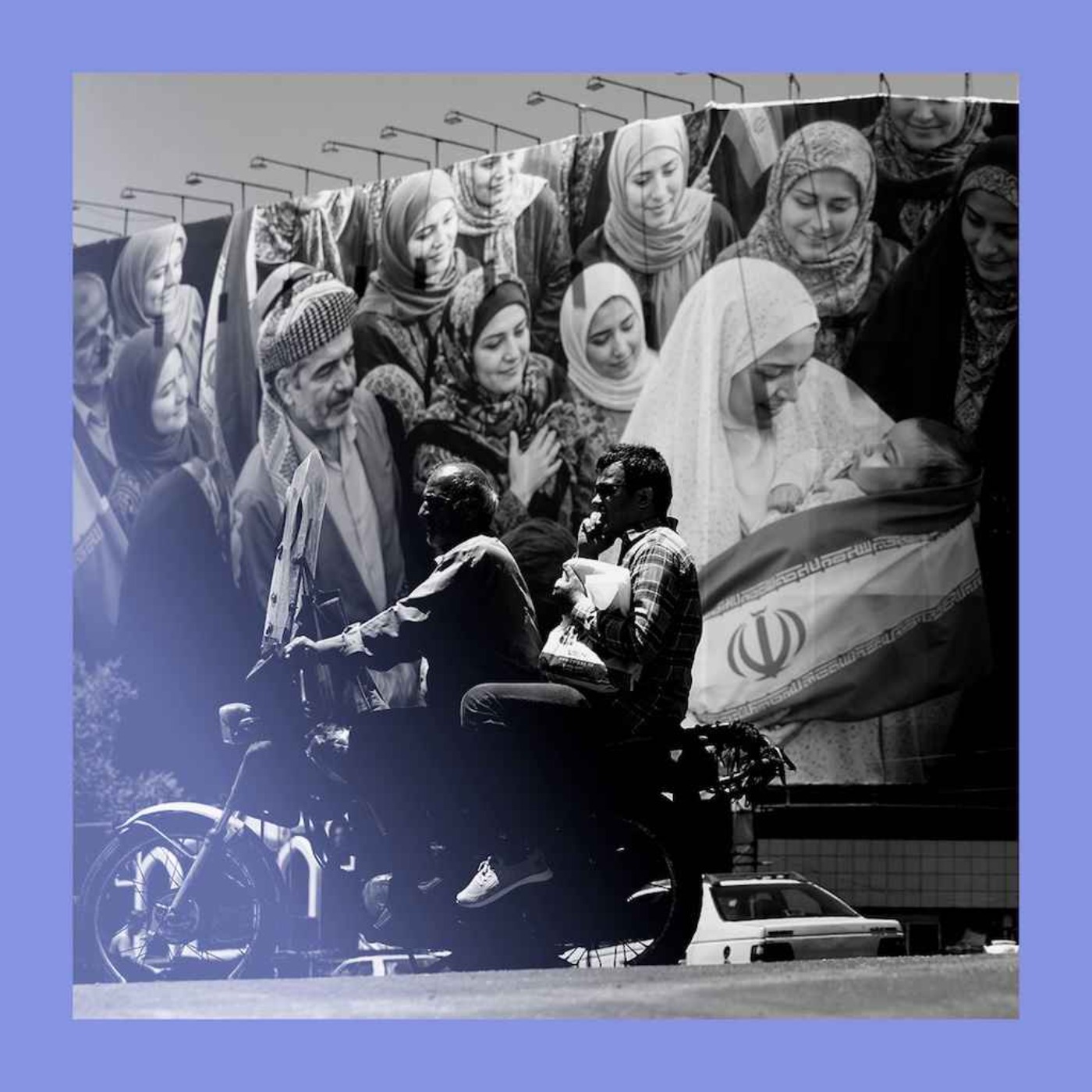
Overview of No big deal: murky Iran-war negotiations from The Economist
This episode covers three sharply different stories: the uncertain state of U.S.-Iran negotiations after recent fighting, the rise of “agentic AI” inside China’s super-app ecosystem, and a surprisingly practical wildlife problem in the Alps involving black grouse and ski lifts. The common thread is uncertainty: in diplomacy, technology, and even bird behavior, the answers are murkier than they first appear.
U.S.-Iran Talks: A Ceasefire Without Clarity
Where the negotiations stand
- The U.S. and Iran appear to be working toward an interim agreement rather than a final peace deal.
- This would likely:
- Extend the ceasefire by about 60 days
- Set out broad principles for continued talks
- Include a time-bound pause on uranium enrichment by Iran
- Provide sanctions relief from the U.S. in return
Why it remains unresolved
- Key details are still missing:
- How compliance would be monitored
- What Iran would need to do at nuclear sites
- When sanctions relief would be delivered
- What happens to Iran’s stockpile of highly enriched uranium
- The proposed deal sounds closer to the old JCPOA than Trump’s earlier rhetoric suggested, which is creating backlash from hawkish Republicans.
Strategic pressure on both sides
- The U.S. wants relief from high energy prices and disruption to shipping.
- Iran wants to avoid shutting in oil wells and damaging its energy industry.
- Iran believes Trump is under more immediate political pressure than Tehran is.
Bigger picture
- Even if a deal is reached, the episode stresses that:
- Oil flows and shipping won’t normalize quickly
- The Strait of Hormuz may reopen only gradually
- Full restoration of energy trade could take months or longer
- Bottom line: any deal may be sold as a breakthrough, but the uncertainty is not going away soon.
China’s “Agentic AI” and the Super-App Future
What agentic AI means
- In this context, AI doesn’t just answer questions — it takes actions on the user’s behalf.
- Examples include:
- Ordering coffee to an office
- Choosing products or services
- Initiating payment and logistics
Why China is leading this trend
- China’s digital ecosystem is built around mobile apps and super apps, not desktop search.
- Major players like:
- Alibaba
- Tencent
- ByteDance are already embedded in commerce, entertainment, payments, logistics, and social media.
- That makes it easier for them to build AI that can recommend, buy, and deliver things inside their own ecosystems.
How they plan to make money
- Two main routes:
- Payments: taking a cut of transactions
- Advertising: better targeting and recommendations
- This matters because Chinese tech firms have made huge AI investments, but investors have not yet seen major returns.
China vs. the U.S.
- The key difference is scale and integration:
- China has broad, app-based ecosystems with real-world service networks
- The U.S. internet is less centered on super apps
- Companies in China are also experimenting with AI-enabled devices, though no breakout product has fully succeeded yet.
The Black Grouse Mystery: Why Ski Resorts Need Better Warning Signs
The problem
- Black grouse in the Alps have been flying into ski chairlifts, often fatally.
- This is bad for:
- The birds
- Ski resorts, which don’t want dead birds under their lifts
What people tried
- Resorts put up red warning signs on lift cables.
- The assumption was that red would stand out to the birds — but it turns out that assumption was wrong.
What researchers found
- Black grouse have poor color and contrast vision, especially for red.
- They can see blue, yellow, purple, ultraviolet, and high-contrast patterns better.
- Their red head patches actually reflect ultraviolet, which they can see — but the red itself is effectively invisible to them.
Practical fix
- Better warning signs should use:
- High contrast
- Colors like black and white
- Or combinations such as purple and yellow
- The takeaway: the current red signs are basically useless from the bird’s perspective.
Key Takeaways
- Diplomacy remains shaky: U.S.-Iran talks may be moving toward a temporary framework, but the final shape of any deal is still unclear.
- Energy markets are highly sensitive to even hints of progress in the Gulf.
- China is turning AI into an action layer inside super apps, not just a chat interface.
- Visual communication across species can fail badly if humans assume animals see the world the way we do.
Notable Insight
- The episode’s most important political point is that the proposed U.S.-Iran arrangement may be less a peace deal than a structured pause — a way to keep talking while avoiding immediate escalation.
- Its most memorable science point: a warning sign only works if the intended audience can actually see it.