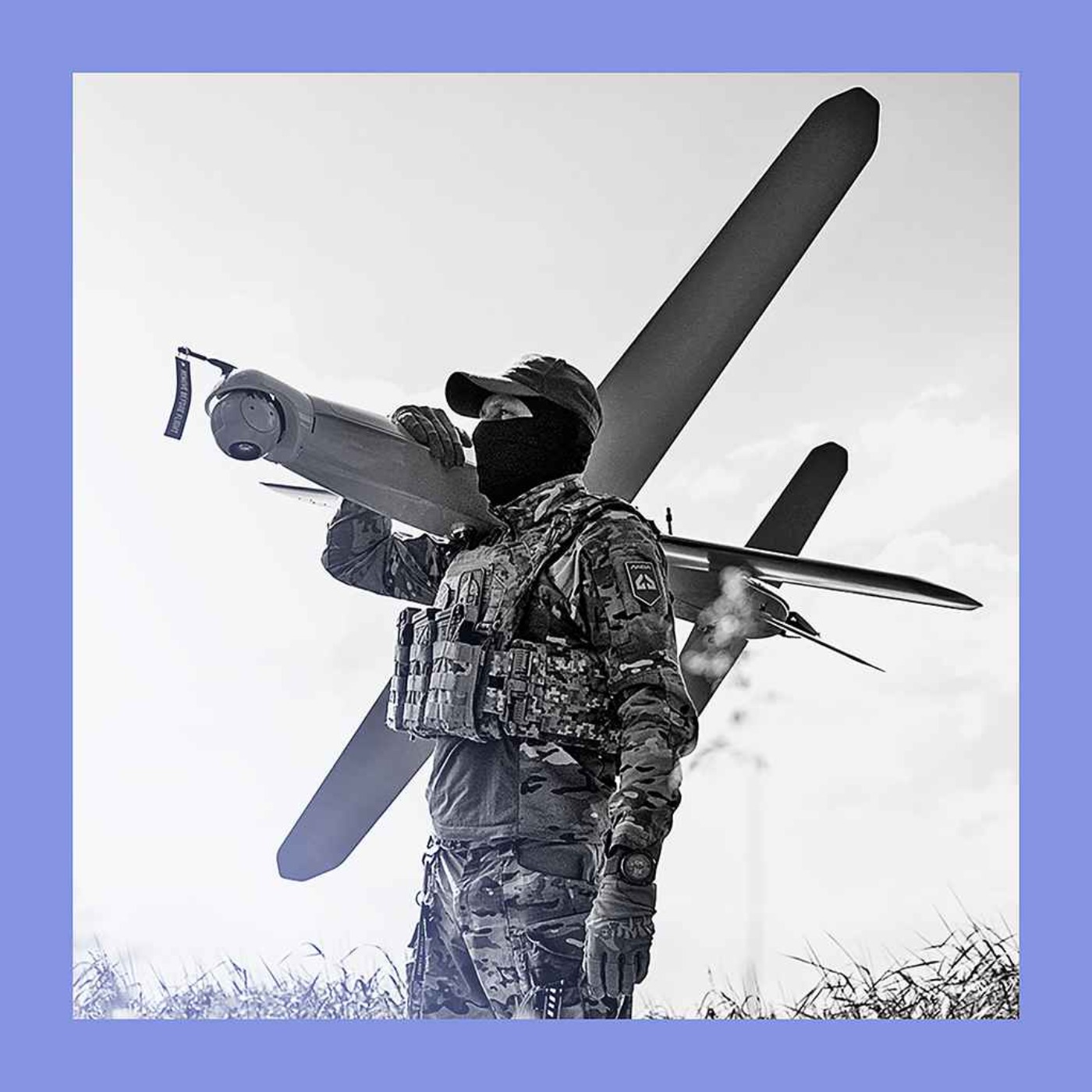
Overview of The Intelligence from The Economist
This episode’s main segment is a farewell conversation with outgoing defense editor Shashank Joshi about how war has changed over the past eight years. The discussion argues that modern conflict is now more transparent, more lethal, and more globally felt than before, driven by drones, precision weapons, and the erosion of once-clear boundaries between frontline warfare and civilian life. The episode also includes a separate obituary tribute to Barney Frank, the influential congressman and liberal reformer.
How modern war has changed
The battlefield is now highly visible
- Wars are increasingly watched in real time through:
- satellites
- drones
- social media footage
- first-person video from the battlefield
- This creates a “transparent battlefield” where movement is easily detected and punished.
Technology has made conflict more lethal and more distributed
- Precision strike capability is no longer limited to major powers.
- Smaller actors now have access to advanced tools, including:
- drones
- electronic warfare
- long-range missiles
- improvised and low-cost precision weapons
- The result is a battlefield where even small movements can trigger deadly responses.
War feels more intimate — and more disturbing
- The conversation highlights how drone warfare can resemble remote-controlled execution.
- This intimacy, rather than just scale, makes modern violence feel especially horrifying.
- The episode notes that such warfare is often simultaneously:
- military action
- propaganda
- psychological intimidation
The erosion of the laws and norms of war
Civilian protections appear increasingly fragile
- Joshi argues that many recent conflicts have weakened respect for the laws of war.
- Examples mentioned include:
- Russia’s war in Ukraine
- attacks on hospitals
- torture of civilians
- efforts to freeze civilians during winter
Rhetoric has become more punitive
- Leaders increasingly talk about collective punishment and total destruction of infrastructure.
- The episode warns that bridges, power plants, and other critical infrastructure are becoming explicit targets.
- Western populations may only fully grasp this once their own infrastructure is threatened.
What militaries must do next
There is no single model for future armies
- The episode stresses that lessons from Ukraine cannot simply be copied everywhere.
- Geography matters:
- drones that work in Ukraine may be too small or short-ranged for the Pacific
- different theaters require different mixes of force
The likely future is “hybrid” warfare
- Militaries are likely to combine:
- traditional crewed systems
- drones
- unmanned ground vehicles
- AI-assisted targeting
- loyal wingman aircraft
- drone ships and reconnaissance platforms
- The goal is to preserve human capability while extending reach, survivability, and precision.
Western militaries may need both innovation and scale
- Joshi suggests that preparedness may mean doing more, not just doing differently:
- more firepower
- more air dominance
- more long-range strike capacity
- more integrated drone systems
- The United States and its allies are portrayed as adapting, but still searching for the right balance.
The broader geopolitical picture
- War is now closer to home for many countries, including those that previously felt insulated from it.
- The episode cites:
- drone and missile attacks near NATO territory
- the spread of conflict across regions
- the rearmament of countries once seen as restrained
- The defense burden on economies is rising, especially in Europe and parts of Asia.
- Overall message: war is no longer a distant phenomenon — it is increasingly central to world politics.
Barney Frank tribute
A reformer shaped by minority status
- The second segment is an obituary-style tribute to Barney Frank, who died at 86.
- It emphasizes how his identity shaped his politics:
- Jewish
- gay
- liberal
- a believer in government’s role in protecting the vulnerable
Major achievements
- He came out publicly in 1987, which became a turning point in public acceptance.
- He was influential in:
- advancing gay rights
- helping end “don’t ask, don’t tell”
- supporting workplace protections
- co-authoring the Dodd-Frank financial reform law after the 2008 crisis
Legacy
- Frank is remembered as someone who believed government should actively help people who were disadvantaged or harmed by the system.
- His career is presented as one of persistent, practical liberal reform.
Main takeaway
The episode’s core argument is that war has entered a new era: it is more technologically sophisticated, more visible, more lethal, and harder to contain geographically or morally. At the same time, it suggests that modern militaries are still experimenting with how to adapt — and that political leaders may be underestimating how dangerous this new environment has become.