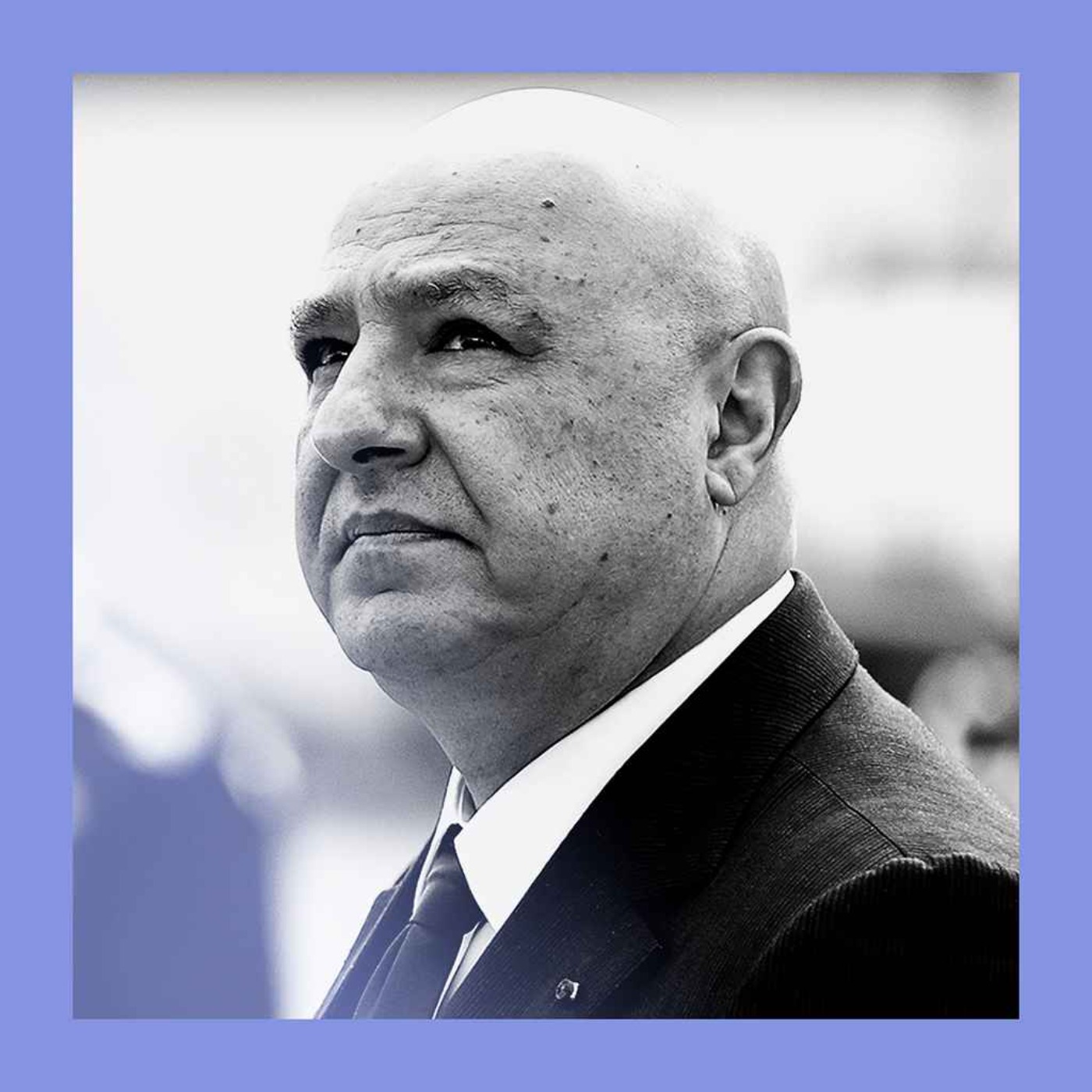
Overview of Hard cedar: Lebanon seeks Trump’s help
This episode of The Intelligence focuses primarily on Lebanon’s fragile political and economic recovery as President Joseph Aoun visits the White House seeking U.S. support. The show explains how Lebanon’s war with Israel, Hezbollah’s military power, and a prolonged financial collapse have left the country in need of reconstruction, reform, and outside investment. Two shorter segments follow: one on Red Bull’s enduring dominance despite founder Dietrich Mateschitz’s death, and another on the declining cultural and statistical relevance of the “trophy wife.”
Lebanon seeks Trump’s help
Why the White House visit matters
- Lebanese President Joseph Aoun is making the first Lebanese presidential visit to the White House in nearly 20 years.
- Lebanon is trying to secure:
- support for the Lebanese army
- U.S. pressure to ensure Israeli withdrawal under a recent ceasefire framework
- American investment rather than traditional aid
Lebanon’s core problems
- The country is still dealing with:
- a deep financial crisis that began in 2019
- the aftermath of the Beirut port explosion
- a destructive Hezbollah-Israel war
- chronic political dysfunction and corruption
- Lebanon’s economy has been devastated:
- the currency has collapsed
- inflation remains high
- banks remain politically and financially compromised
- reconstruction is far beyond the state’s current capacity
Hezbollah and the war with Israel
- Hezbollah’s weapons and its confrontation with Israel remain the central security issue.
- The war has caused:
- more than 4,000 deaths
- major destruction in southern Lebanon and elsewhere
- severe economic damage, estimated at around 40% of GDP
- A June ceasefire/diplomatic agreement was signed in Washington, but it is vague and incomplete:
- the Lebanese army is supposed to deploy in the south
- Israel is expected to withdraw gradually
- Israeli airstrikes continue
The government’s strategy
- The new leadership — Aoun and Prime Minister Nawaf Salam — are political outsiders tasked with fixing a system long dominated by old warlords.
- Their approach is to:
- weaken Hezbollah’s appeal by showing the state can provide security and rebuild
- win back trust in the Shia south by delivering services and reconstruction
- push long-delayed economic reforms needed for an IMF deal
Main takeaway
- Lebanon’s recovery depends on solving both its security crisis and its economic collapse.
- Without reform, external money, and political resolve, the country risks more war, deeper instability, and further loss of talent and capital.
Red Bull: still flying high
What made Red Bull different
- Red Bull’s founder, Dietrich Mateschitz, turned a Thai energy tonic into a global brand by:
- carbonating and adapting the drink for European tastes
- building a world-class marketing machine
- tying the brand to extreme sports, Formula 1, football, and media
Why the company remains dominant
- Red Bull has kept the same basic formula after Mateschitz’s death in 2022.
- It outsources manufacturing and distribution, focusing heavily on branding and sponsorship.
- Key figures:
- about 28% of the global energy drink market
- 14 billion cans sold last year
- operations in 178 countries
Challenges and outlook
- Health concerns remain, especially for children and teens.
- Several countries are restricting sales to under-18s, and the UK is planning a ban on high-caffeine energy drinks for minors.
- Competition is growing, especially from Celsius, which appeals more to health-conscious consumers and women.
- Despite this, Red Bull’s marketing engine still appears strong.
The fading “trophy wife”
What the data suggests
- A data-driven look at marriage patterns suggests the old image of the rich older man with a much younger wife is weakening.
- In 1980, top earners were more likely than average earners to marry someone at least 10 years younger.
- By 2024, that gap had largely disappeared.
Historical pattern
- Among the ultra-wealthy, age gaps used to be much larger:
- the richest men on the Forbes 400 were on average seven years older than their wives
- among remarried ultra-wealthy men, the gap could be as large as 22 years
Why things changed
- The most plausible explanation is education:
- people spend more time in university and professional training
- they tend to meet partners closer to their own age
- higher earnings increasingly come from longer education pathways rather than old-style status hierarchies
What about “trophy husbands”?
- The data do not show a strong countertrend among high-earning women.
- Wealthy women are not dramatically more likely to marry younger men than women generally are.
- The cultural idea of the “trophy husband” seems far less supported by the numbers than the older “trophy wife” stereotype.
Bottom line
- The episode’s main story is about whether Lebanon can leverage U.S. support to stabilize a country battered by war, political paralysis, and economic collapse.
- The shorter segments show:
- Red Bull’s remarkable durability as a marketing-driven global brand
- a long-term shift away from the classic rich-man/young-wife model in elite marriages