Overview of The Intelligence from The Economist
This episode spans three distinct stories: Lula’s surprising re-election in Brazil, the shifting political terrain in Texas ahead of U.S. midterms, and a look at why branded merchandise has become so ubiquitous. The throughline is how politics and consumer culture are both being reshaped by identity, media, and the need to mobilize people quickly.
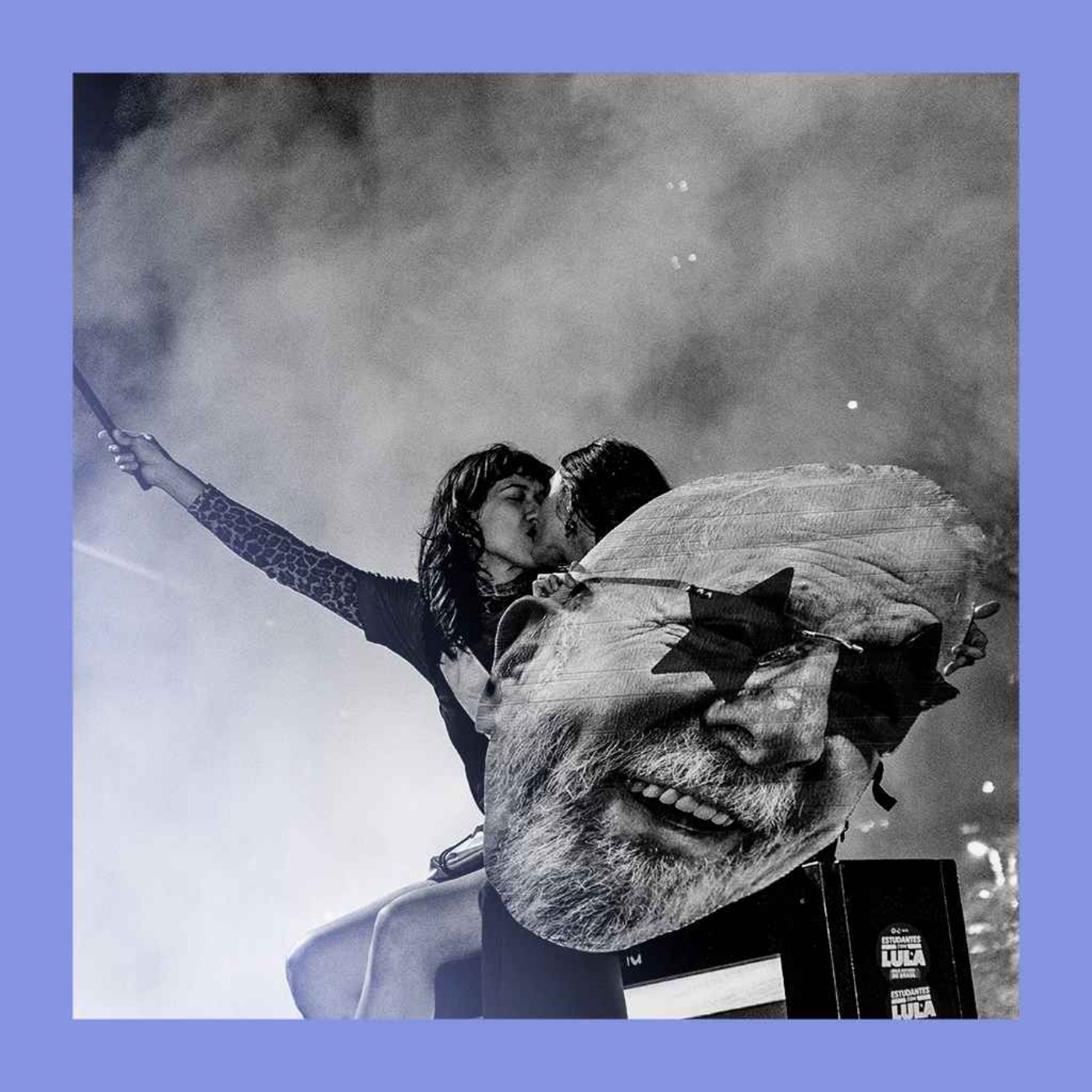
Lula’s surprise win in Brazil
Lula’s re-election in Brazil is framed as a major political comeback:
- He won the runoff with 52% of the vote against Flávio Bolsonaro, son of former president Jair Bolsonaro, who got 48%.
- It was a historic result: Lula became one of the few democratically elected leaders to win four terms.
- He had been behind after the first round, and polls had generally favored Bolsonaro’s camp.
How Lula pulled it off
The episode argues that Lula won by combining tactical changes with political momentum:
- He transformed his campaign between rounds:
- moved from a relatively dull, old-school campaign to a more aggressive social-media and selfie-driven strategy
- leaned into Instagram and WhatsApp
- benefited from a viral support network called “Lula’s Army”, which helped push pro-Lula content widely online
- He generated more turnout and reduced abstentions, blank votes, and null votes.
- He shifted toward bread-and-butter populist promises, including:
- bigger welfare handouts
- shorter work weeks
- free public transport on weekends
- debt relief for small entrepreneurs
- He also benefited from renewed scrutiny of Flávio Bolsonaro’s alleged ties to militias and corruption-linked figures, which seemed to turn off some voters, especially women.
What happens next
The episode is cautious about Lula’s governing prospects:
- Bolsonaro’s side has not conceded and has floated challenges, though an annulment is seen as unlikely.
- Lula will face a hostile Congress and Senate, with the right holding strong institutional power.
- Economic concerns remain serious:
- Brazil’s debt has worsened
- interest rates are high
- markets may want a more credible fiscal plan
- Still, the result is seen as good news for the Amazon, since Lula is expected to be less damaging on deforestation than Bolsonaro.
Texas and the U.S. midterm mood
The show then turns to U.S. politics, focusing on Texas as a sign of Republican anxiety:
- Republicans are worried about tightening races in a state they usually dominate.
- High-profile figures like Ken Paxton and Greg Abbott are not as secure as expected.
- Trump’s presence still energizes the base, but he also appears to be a drag in some contests.
What’s changing in Texas
The episode argues that the old Republican playbook is losing force:
- Border security is less effective now that border crossings are down.
- Affordability has become a bigger issue for voters than immigration.
- Economic bragging about the “Texas miracle” is weakening, especially amid backlash against data centers and growth-related strain.
The GOP’s new line of attack
With traditional themes losing traction, some Republicans are leaning harder into cultural and nativist politics:
- attacks on Sharia law
- anti-Muslim rhetoric
- suspicion of legal immigrants and visa holders
But the reporting suggests this messaging is not universally welcome, even among some Republican voters. In growing suburbs like Frisco, demographic change is making these issues more complicated, and overtly exclusionary politics can backfire.
Why merch is everywhere
A lighter but surprisingly substantive segment explores the boom in branded merchandise:
- Global merch spending is estimated at about $350 billion a year.
- It’s no longer just for musicians, sports teams, or Disney:
- supermarkets
- bookshops
- tech firms like OpenAI and Palantir
- lifestyle brands and local businesses
Why companies do it
Several motives are highlighted:
- cheap, effective marketing
- building brand personality
- creating a sense of community
- encouraging fans/customers to signal their identity
Why consumers buy it
The appeal is partly emotional and social:
- merch can signal taste, travel, or belonging
- post-COVID, people are more willing to support local businesses
- in a digital and socially fragmented world, branded items can serve as a kind of community badge
Key takeaways
- Lula’s win was a remarkable comeback built on tactical reinvention, turnout, and backlash against Bolsonaro.
- His presidency may be politically constrained despite the victory.
- In Texas, Republicans are fighting harder than expected as old culture-war messaging loses some power.
- Merch has become a modern form of identity signaling as much as marketing.