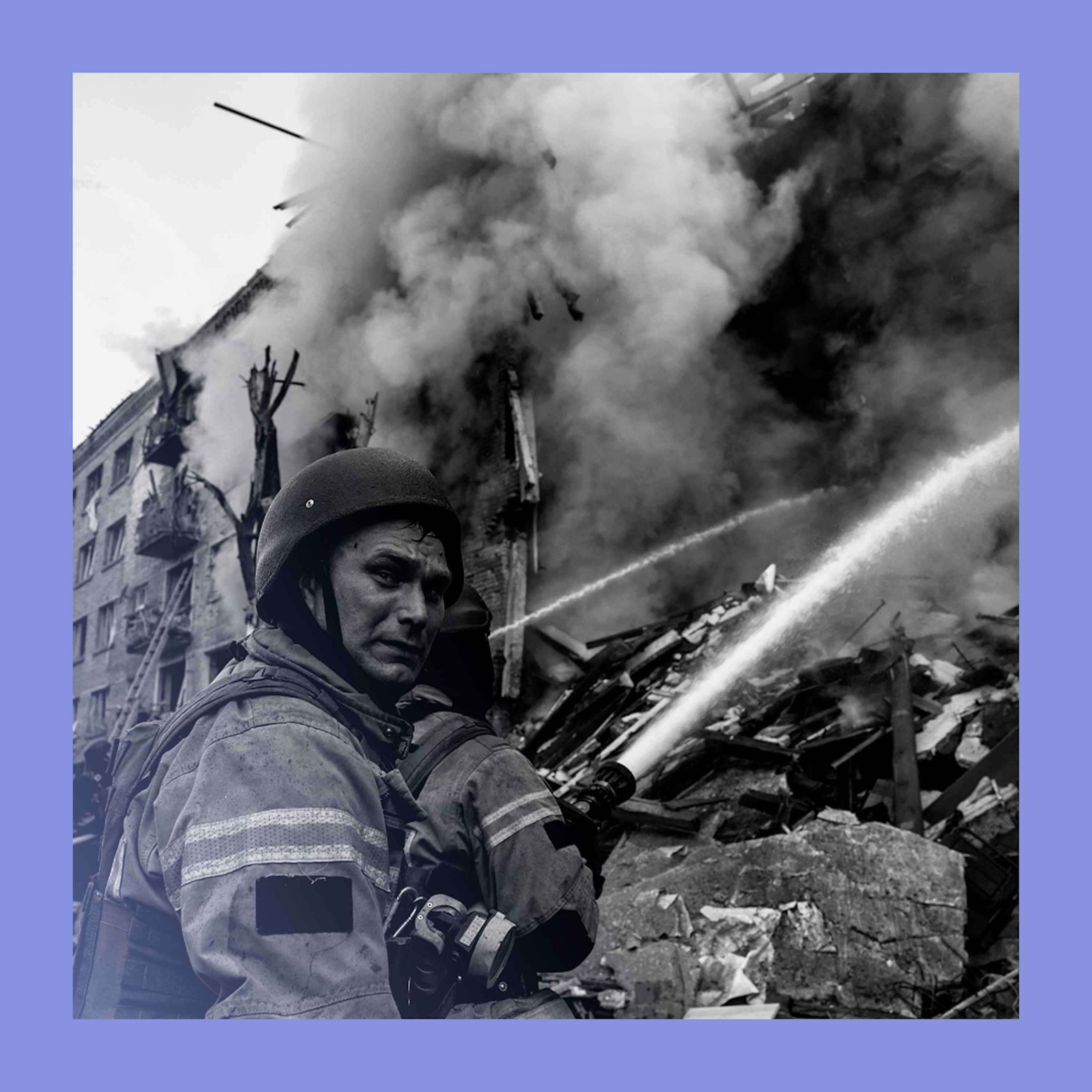
Overview of Focused group: Ukraine is now Europe’s war
This episode of The Intelligence from The Economist centers on how the Ukraine war is increasingly being managed by Europe rather than the United States, while also examining the risks and implications of upcoming “giga IPOs” from major tech companies and previewing Iran’s World Cup campaign under heavy geopolitical pressure. The Ukraine discussion is the main feature: Europe is stepping up financial, diplomatic, and political responsibility, but there are growing tensions over how fast Ukraine can realistically move toward EU membership.
Ukraine: Europe is taking the lead
The core argument is that the war in Ukraine has become “Europe’s war” in practical terms because:
- The U.S. has disengaged, cutting financial aid and losing interest in diplomacy.
- Hungary’s Viktor Orbán is no longer blocking EU action, removing a major internal veto point.
- Battlefield developments and long-range Ukrainian strikes have created at least a small opening for future negotiations.
Tom Nuttall, The Economist’s chief Germany correspondent, argues that Europe now has to manage the conflict more directly, including:
- Disbursing the first tranche of a large €90 billion loan to Ukraine.
- Considering whether Europeans should engage directly with Russia diplomatically.
- Handling Ukraine’s EU membership bid, which is becoming a major political fault line.
Main tension: aspiration vs. readiness
Ukraine sees EU membership as a civilizational choice away from Russia, corruption, and authoritarianism. But many Europeans believe:
- Ukraine is not yet institutionally ready.
- Corruption and rule-of-law problems remain serious.
- Accelerating accession too quickly could damage the process.
A proposed “associate membership” idea was immediately rejected by Zelensky as unfair, reflecting a growing frustration in Kyiv that Europe is treating Ukraine like it belongs in a permanent waiting room.
Key takeaway
Europe appears more committed than earlier in the war, but the relationship is entering a more difficult phase: support is holding, yet the gap between Ukrainian expectations and European caution could derail the accession process if not managed carefully.
Giga IPOs: what happens when giant private companies go public?
The second segment looks at the planned public listings of SpaceX, OpenAI, and Anthropic, described as potential “giga IPOs.” Together, they could add enormous value to U.S. markets.
Why now?
These companies may be going public because:
- They need capital for growth.
- Employees and early investors want liquidity.
- AI enthusiasm has pushed valuations high, making it a favorable time to sell shares.
Why investors are worried
The biggest concern is not just the size of these IPOs, but their speed and how index funds will be forced to buy shares soon after listing:
- Major index providers may include them in benchmarks within days.
- Passive funds tracking those indices could buy at volatile prices.
- Once the index-driven demand is exhausted, shares could fall.
Important nuance
The guest argues the absolute size is less alarming than it sounds because U.S. markets are huge. The deeper issue is how these IPOs may distort capital flows and risk exposing retirement investors to overvalued assets.
Bottom line for investors
- IPOs usually underperform over time.
- Buying newly listed companies is often a poor bet for ordinary investors.
- SpaceX and similar firms are being priced as if their future growth will be extraordinary, perhaps even science-fiction-level ambitious.
Iran and the World Cup: politics on and off the pitch
The final segment previews Iran’s national team, Team Melli, heading into the World Cup under fraught geopolitical conditions.
Main points
- Iran’s matches are in the U.S., but visa issues and political tensions complicate travel.
- The U.S. has denied visas to parts of the delegation over alleged Revolutionary Guard links.
- The team plans to stay in Mexico and travel in for matches.
- Iran has asked FIFA to protect its flag and anthem from disruption.
Why this matters
Football is deeply political in Iran:
- In 2022, players refused to sing the anthem in solidarity with anti-government protests.
- Iranian fans reacted emotionally, showing how the team can become a symbol of national identity and dissent.
Historical context
The segment recalls Iran’s famous 1998 World Cup win over the U.S., a highly charged match with symbolic diplomacy before kickoff. This year’s tournament may carry similar tension, though the team is considered strong enough to compete seriously.
Overall takeaways
- Ukraine: Europe is now carrying more of the burden, but the war’s next phase will be defined by difficult choices on aid, diplomacy, and EU enlargement.
- Markets: The coming wave of mega IPOs may reshape index investing and worsen volatility, especially if valuations are stretched.
- Iran: Even at the World Cup, geopolitical conflict follows the team, showing how sport, identity, and politics remain tightly linked.