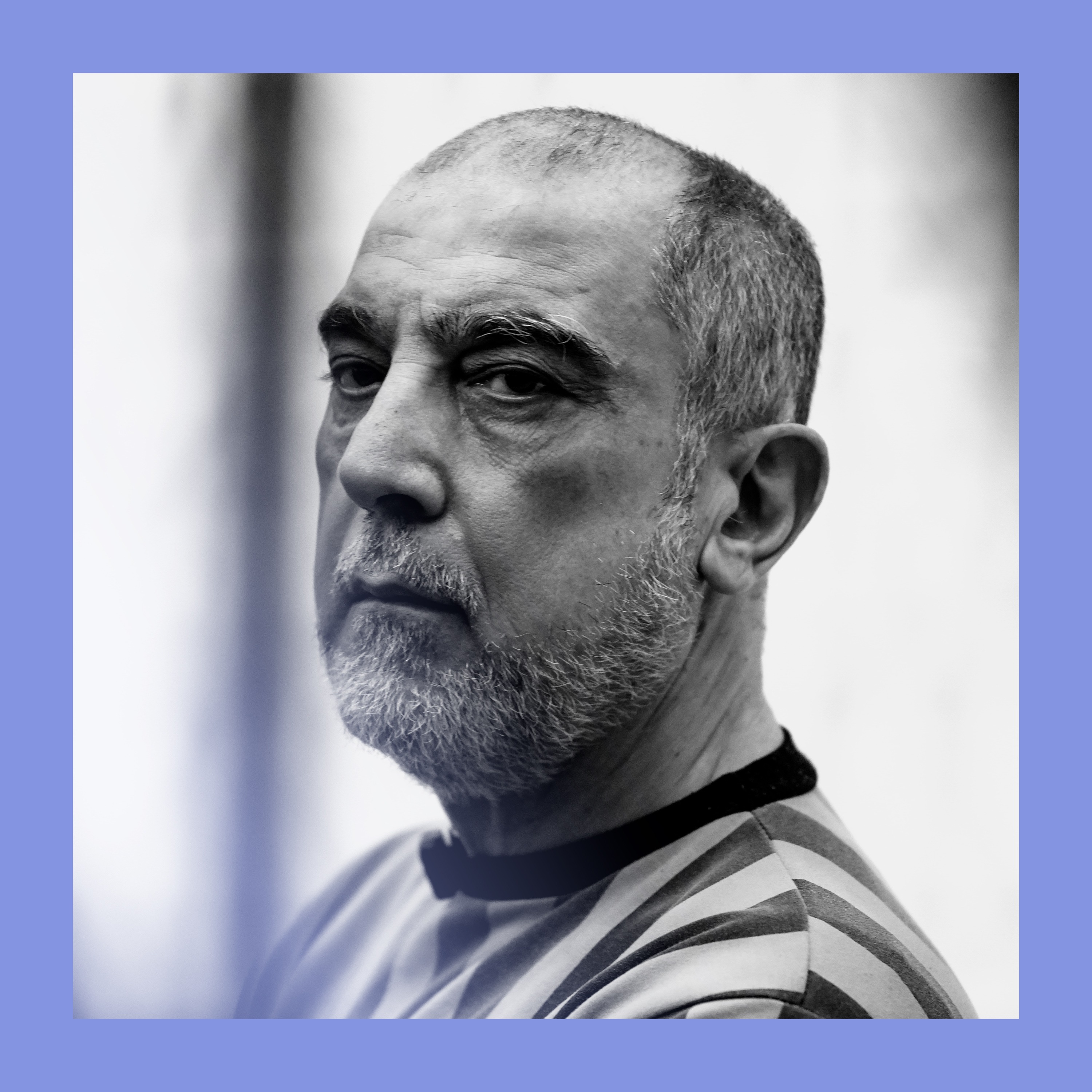
Overview of The Intelligence episode
This episode of The Economist’s The Intelligence centers on transitional justice in post-Assad Syria, using the trial of Atif Najib—a former security chief and cousin of Bashar al-Assad—as a test case for whether Syria can pursue accountability without descending into revenge. The episode also includes a retrospective on major U.S. Cold War-era milestones and a lighter segment on the surprising rise of Chinese whiskey.
Syria’s transitional justice dilemma
Why Atif Najib’s trial matters
- Atif Najib is one of the most symbolic figures from the Assad era to face trial.
- He is accused of murder, torture, and orchestrating massacres tied to the early repression of protests in Deraa in 2011.
- His alleged remarks to parents of detained children—telling them to “forget about their sons” and “make new ones”—made him a notorious symbol of regime cruelty.
- Because Deraa is widely seen as the place where the Syrian uprising began, the case carries huge emotional and political weight.
What Syria’s justice system looks like now
- Syria is operating with two overlapping tracks of transitional justice:
- A Transitional Justice Commission announced by President Ahmed al-Sharaa to study models from places like Northern Ireland and Bosnia.
- Separate Ministry of Justice-led trials using Syria’s existing court system.
- The problem: Syria’s legal code is not built for war-crimes accountability.
- It lacks clear provisions for crimes against humanity and war crimes.
- Concepts like command responsibility are weak.
- To fill the gaps, judges are reportedly relying on international law and treaties such as:
- the Geneva Conventions
- the Rome Statute
The tension at the heart of the process
- The trials are meant to show that the new Syria can deliver lawful, credible justice rather than mob vengeance.
- But the effort is complicated by the fact that:
- all sides in the conflict have blood on their hands
- some figures linked to the new government are also accused of abuses
- Ahmed al-Sharaa has brought former regime figures into his administration for security, Alawite outreach, and foreign affairs
- That has angered Syrians who want accountability, especially as reprisal killings and sectarian violence continue in parts of the country.
Main takeaway on Syria
- The episode argues that transitional justice is necessary but politically dangerous.
- If handled well, it could help build legitimacy and reduce vigilante violence.
- If handled badly, it could become a show trial, deepen divisions, or even rebound on Sharaa’s own coalition.
Broader historical segment: America at 250
The episode also continues The Economist’s America at 250 series with a fast-moving history of the U.S. from the Cold War through the 1970s:
- The Cold War begins after World War II, leading to proxy conflicts in Korea and Vietnam.
- The civil-rights movement gains momentum:
- the 1954 school desegregation ruling
- Rosa Parks
- Martin Luther King Jr. and the March on Washington
- the Civil Rights Act of 1964
- The era includes:
- Kennedy’s presidency and assassination
- the Moon landing
- the Vietnam War, growing anti-war protests, and eventual U.S. withdrawal
- Nixon’s resignation after Watergate
- the Roe v. Wade decision and the rise of the Christian conservative backlash
China’s whiskey boom
A lighter segment looks at the surprising growth of Chinese whiskey production:
- China has seen a distillery-building boom, with around 50 distilleries built in recent years.
- Multinationals like Diageo and Pernod Ricard are investing alongside local producers.
- This is happening even as overall alcohol consumption softens:
- beer and wine sales are down
- baijiu sales fell sharply
- The whiskey market is growing because it sits at the top end of China’s consumption curve:
- cheap goods are weak
- luxury spending is resilient
- China is also becoming an exporter:
- whiskey exports rose from about $5 million a decade ago to $585 million last year.
- China has introduced its first national standards for single malt, largely modeled on Scottish rules.
Key takeaways
- Transitional justice in Syria is both a legal experiment and a political balancing act.
- Atif Najib’s trial is symbolic, but it also exposes the weaknesses of Syria’s legal system.
- The new government must show it can pursue justice without triggering more sectarian retaliation.
- Syria’s courts are attempting to adapt international legal standards to local law.
- Outside Syria, the episode also highlights:
- a broad sweep of U.S. 20th-century history
- and a striking case of consumer specialization in China’s premium alcohol market.