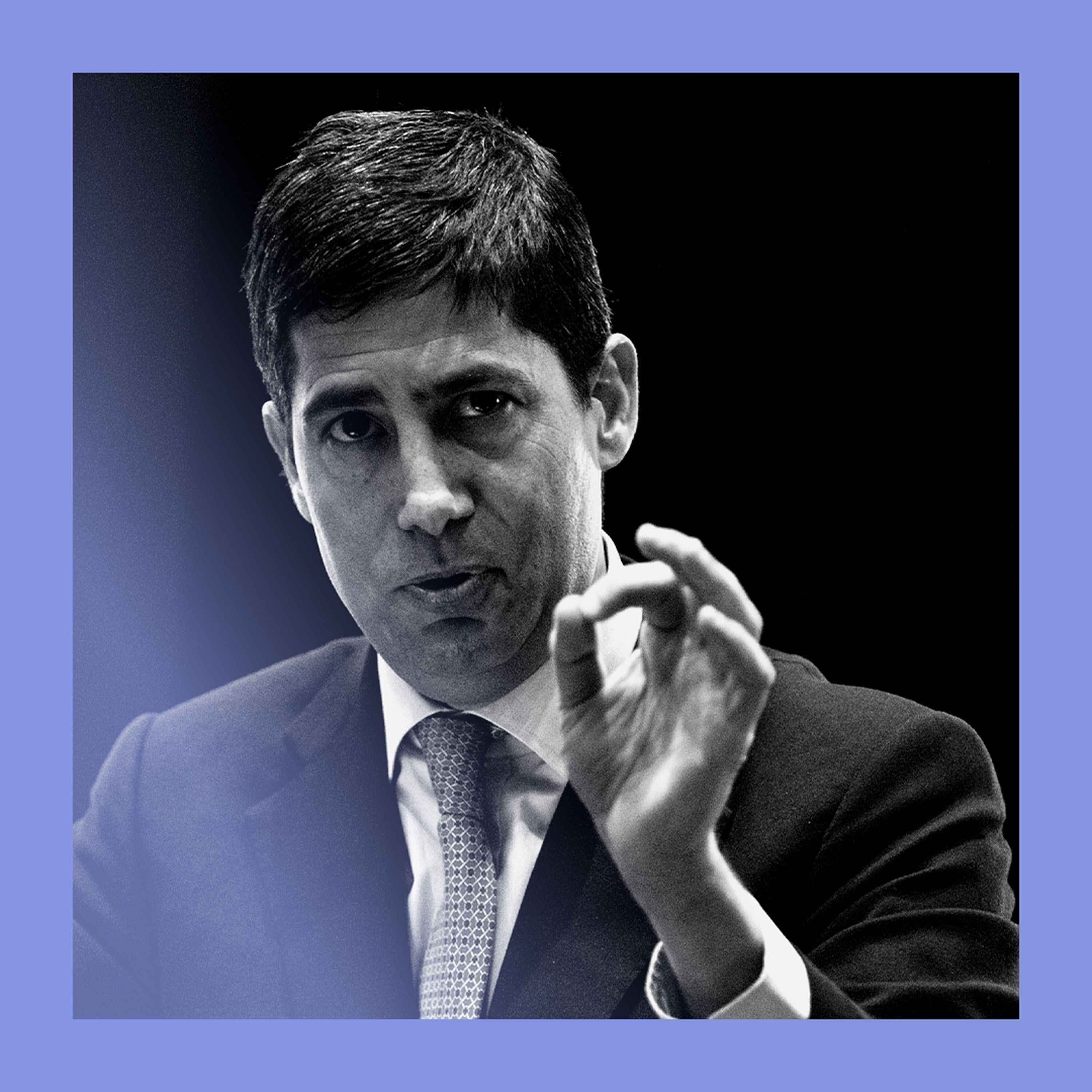
Overview of Tug of Warsh: will the new chair politicise the Fed? (The Economist — The Intelligence)
This episode of The Economist’s podcast The Intelligence (host Rosie Bloor) covers three main stories: the likely policy direction of Donald Trump’s nominee for Federal Reserve chair, Kevin Warsh; the high-stakes election in Thailand and the prospects for the youth-led People’s Party (successor to Move Forward); and a lighter piece on Hong Kong’s iconic trams and what they reveal about the city’s tourism recovery.
1) Will the new Fed chair politicise the Fed? — Kevin Warsh
Summary
- Donald Trump nominated Kevin Warsh (transcript misrendered as “Walsh”), a former Fed governor (appointed by George W. Bush in 2006) who left the Fed in 2011 and has since worked in the private sector.
- Warsh is a credentialed, old‑guard Republican with experience in crisis management and close ties to Wall Street. Historically he was hawkish on inflation and sceptical of large-scale Fed interventions (he resigned partly over quantitative easing).
- During the nomination/audition process Warsh signalled a willingness to support rate cuts and embraced arguments (e.g., technological disinflation from AI, deregulatory disinflation) aligned with Trump’s preferences — raising questions about whether he’s shifted positions to win the job.
Policy implications and likely actions
- Interest rates: Major, rapid cuts that Trump wants are unlikely. Warsh could exert influence as chair and nudge the Federal Open Market Committee (FOMC) toward slightly lower rates, but the FOMC is broad and contains few strong “Trumpist” allies; big moves would likely require a crisis or strong committee consensus.
- Fed structure and priorities: Warsh has argued for a “regime change” at the Fed — this could mean personnel and organizational shifts, and less emphasis on non‑core issues (ESG, climate, inequality) that critics labelled “woke.”
- Balance sheet and quantitative easing: This is the area where Warsh is most likely to act. He has long objected to large Fed bond holdings and persistent QE. As chair he may push to shrink the Fed’s balance sheet and curtail QE as a tool — a technically complex move that would reduce the Fed’s footprint but could push up long-term rates if done too quickly.
- Independence: Warsh publicly affirms Fed independence (he wrote an “ode to independence” in the past), but his recent behaviour in courting Trump and aligning with White House talking points increases the risk the Fed becomes more politically pressured than under recent chairs.
Bottom line
- Expect modest shifts rather than dramatic reversals: Warsh may influence Fed culture and balance-sheet policy more than short-term rate trajectories. Markets and global central bankers have been cautiously reassured by his credentials, but political pressure on the Fed will likely be higher than in many recent administrations.
2) Thailand’s election: the People’s Party, the monarchy, and the balance of power
Background
- The youth-driven liberal movement that surged in 2023 (Move Forward) has been repeatedly targeted: the party was dissolved and its leader Pita Limjaroenrat (Pita) banned from politics for 10 years after promising to reform Thailand’s lese‑majesté laws. Many former Move Forward members regrouped as the People’s Party.
- The constitutional court’s decision hinged on campaign pledges regarding the monarchy, reflecting Thailand’s strict lèse-majesté laws and the monarchy’s strong political role.
Current dynamics
- People’s Party leads in polls but with less enthusiasm than Move Forward had in 2023. Pita previously polled around 45% as preferred PM; his successor now polls around 29%.
- Thailand’s political contest is effectively three‑cornered:
- Youth liberals (People’s Party / Move Forward lineage) pushing political and legal reforms.
- Pheu Thai (traditional populist party), weakened by scandals while in government.
- Conservative pro‑monarchy/military bloc (and rising populists who back the monarchy).
- Anutin Charnvirakul (leader of a pragmatic populist party that strongly backs the monarchy) has surged in popularity: his party’s support rose dramatically from a small share in 2023 to ~22% in polls, and he is seen as a flexible coalition‑builder willing to work with parties that uphold key constitutional articles on the monarchy.
Risks and outlook
- Even a strong electoral showing by the People’s Party may not guarantee power: courts have dissolved similar parties and banned leaders in the past. The monarchy’s political influence and judicial interventions remain decisive constraints on reform.
- The election outcome will determine whether reformist momentum survives or conservative/pragmatic forces consolidate power.
3) Hong Kong trams: a small vehicle that tells a bigger story
What the trams show
- Hong Kong’s century‑old tram system is inexpensive, atmospheric and increasingly popular with tourists. Tourists now account for about 15% of daily ridership (roughly 150,000 trips/day overall).
- The average tram fare is extremely low (about US$0.42 a trip), making trams an affordable way to experience an otherwise expensive city.
Tourism trends and implications
- Visitor numbers climbed (cited ~50 million last year) but average spending per overnight visitor has fallen (~3.5% decline in the first half of 2025).
- About three‑quarters of visitors are from mainland China; many are more budget‑conscious due to the mainland property slump and weak consumer sentiment.
- Hong Kong’s government is betting on big, flashy attractions (concerts, horse racing enhancements) to boost spending, but modest, authentic assets like the tram network may play a steadying role in keeping tourism appealing and accessible.
Notable quotes and soundbites
- Archie Hall (US economics editor): “He [Warsh] was famously a huge hawk... and so it'll be interesting to see whether the Warsh we guess is a Warsh that has pivoted recently to being a keen rate cutter.”
- On the Fed and independence: Warsh has previously given an “ode to independence,” yet his recent political courting of the president increases scrutiny on how independent the Fed will remain.
What to watch (actionable signals)
- Fed: appointments to Fed leadership and staff, guidance on balance‑sheet reduction, FOMC minutes for shifts on rate path, and any rapid unwinding of QE holdings that could lift long-term yields.
- Thailand: final election results, post‑election judicial actions (party dissolutions / bans), coalition negotiations and whether the Senate’s role in picking a PM changes.
- Hong Kong tourism: trends in visitor spending vs. visitor numbers, the share of mainland Chinese tourists, and progress on government plans for large events/attractions versus investments in accessible heritage experiences (like trams).