Overview of Thin ice: could the Greenland clash kill NATO?
This episode of The Economist’s The Intelligence covers three main stories: the diplomatic crisis triggered by President Trump’s public bid for Greenland and its potential fallout for NATO; the continuing rise and transformation of American megachurches (with Lakewood Church as a focal example); and a look at podcasting’s pivot from audio to video and what that means for format, discovery and content. The episode mixes reporting, expert analysis (notably from defence editor Shashank Joshi), and on-the-ground reporting.
Greenland and NATO: what happened and why it matters
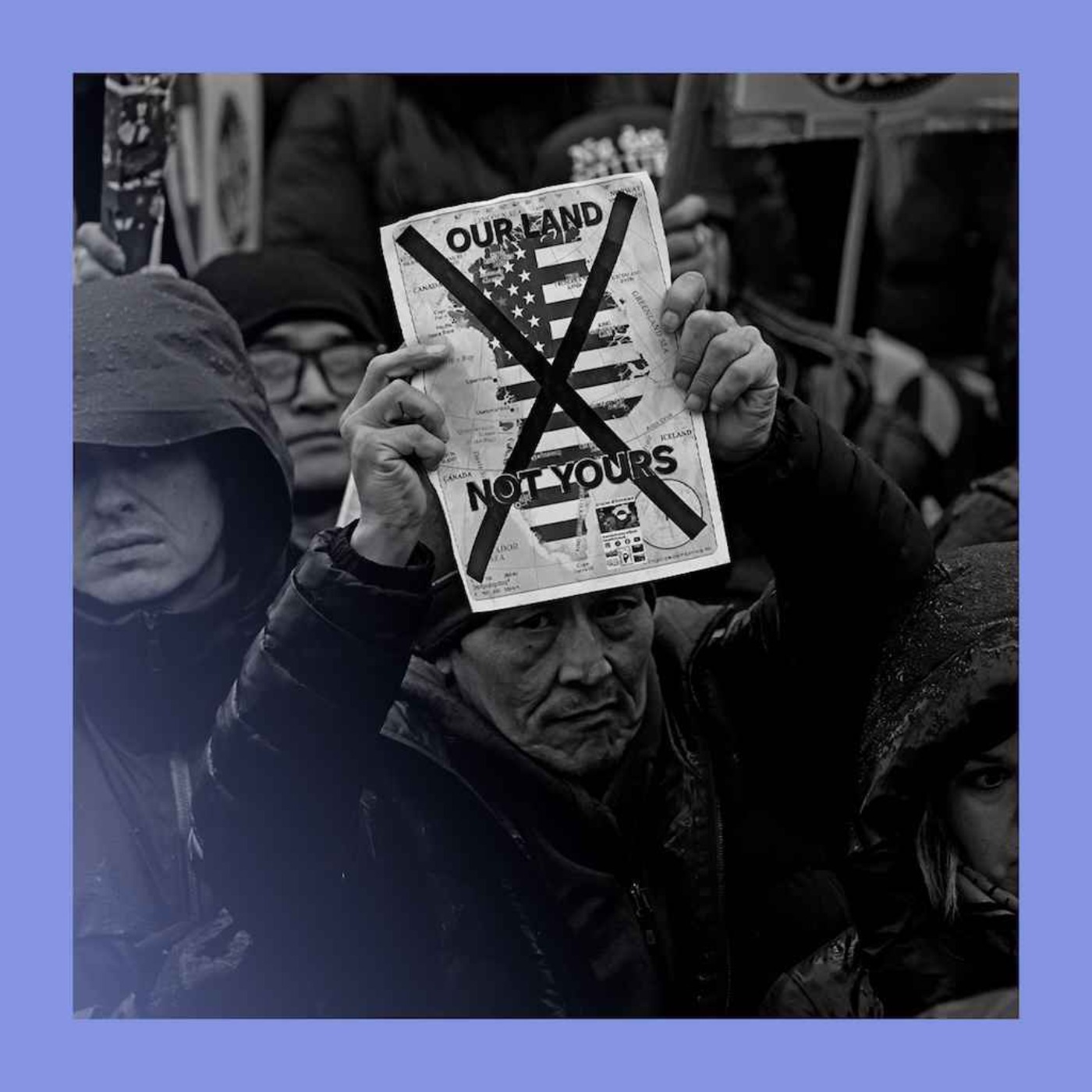
- Incident: President Trump reiterated interest in buying Greenland and threatened 10% tariffs on imports from eight European NATO allies; Denmark (which administers Greenland) and European leaders reacted strongly, accusing the U.S. of intimidation and blackmail.
- Immediate political fallout: European leaders used unusually harsh language toward the U.S.; Danish MPs called the idea “modern slavery” and vowed not to be bullied.
- Why Trump is interested:
- Strategic: Greenland’s location is important for missile defence and Arctic geopolitics (longstanding fact).
- Economic/nationalist: Potential natural resources under Greenland and a presidential impulse toward territorial expansion (references to McKinley, Manifest Destiny).
- Expert view (Shashank Joshi):
- This is possibly the gravest transatlantic crisis in either of Trump’s presidencies—more serious than previous intra-NATO disputes (e.g., 1974 Cyprus, Cod Wars).
- Direct use of force is unlikely; more probable are ongoing economic/diplomatic pressure tactics, and—worryingly—annexation by declaration or other extra-legal measures cannot be fully ruled out.
- The core problem: NATO relies fundamentally on U.S. military capacity (air power, logistics, intelligence). Any erosion of U.S. commitment weakens European confidence in Article 5 (collective defence).
- How this affects Ukraine and European security:
- Europeans still need U.S. support for Ukraine, creating a paradox: alarmed at U.S. behaviour yet dependent on it for defence.
- Eroding faith in U.S. reliability could reduce deterrence against Russia.
- Likelihood of escalation:
- Domestic political constraints in the U.S. (public opinion, congressional opposition including Republicans) make extreme action less likely.
- Nonetheless, the crisis is forcing Europeans to seriously consider accelerating autonomous defence capabilities—an expensive, long-term policy shift that can’t be fixed by money alone.
- Bottom line: NATO is not dead, but trust in U.S. leadership is being profoundly eroded; the episode may accelerate European efforts toward greater strategic autonomy.
Megachurches: size, model and critique
- Case study: Lakewood Church (Houston) — stadium services, production values (smoke machines, music), thousands attending.
- Trends:
- Megachurches (2,000+ weekly attendees; average ~4,000) are growing, especially in the Sunbelt. The pandemic accelerated consolidation as large churches absorbed congregants from smaller, closed churches.
- Many megachurches operate like businesses: franchising, multi-campus expansion, renting theaters/gyms, strong online/donation infrastructure.
- Financials: Hartford Institute data shows average megachurch revenue rose ~25% from 2020–2025. Reported spending: ~50% staff, ~35% building/programming, ~10% charity; broader financial opacity due to tax exemptions.
- Theology and culture:
- Many megachurches are non-denominational and emphasize brand-friendly, inclusive messaging—often resembling self-help more than traditional, doctrine-heavy preaching.
- About 25% of megachurch pastors preach the “prosperity gospel,” linking faith to material reward.
- Most avoid divisive political topics to maintain broad appeal.
- Criticisms:
- Old-guard religious leaders view megachurch practices (especially prosperity theology) as threats to “biblical Christianity.”
- Transparency concerns over finances and lavish pastor lifestyles.
- Takeaway: Megachurches are thriving by professionalizing church growth and offering high-production, broad-appeal services—raising questions about theology, accountability and charitable priorities.
Podcasting turns visual: why podcasters are filming
- Trend: Increasing numbers of podcast listeners consume podcasts primarily as video (about 3 in 10 in the U.S. report doing so).
- Drivers:
- Audience discovery: YouTube and other video platforms are major discovery engines; clips can be repurposed on social media (TikTok, Instagram).
- Economics: Video-friendly formats (talk/interview shows) are cheap to produce and attractive to streaming/TV platforms looking to boost engagement.
- Formats favored: Interview/talk shows (celebrity chats) adapt easily to video; long-form investigative audio series are harder and costlier to adapt.
- Industry effects:
- Streaming platforms (Netflix, Fox/Tubi) are acquiring or featuring podcasts to keep users engaged.
- The need to perform on-camera and to “front-load” the most engaging content (first minute) is shaping how podcasts are produced—favoring attention-grabbing openings over slow-burn storytelling.
- Downsides:
- Video can change editorial choices and editing style (less forgiving of jump cuts, more pressure to visualize content).
- Some long-time listeners prefer audio-only formats (for multitasking); video can compromise that experience if optimized at the expense of audio.
- Bottom line: Video expands reach and monetization options, but changes the creative and editorial incentives of podcasting—benefiting interview formats and discovery while challenging long-form narrative producers.
Key takeaways
- The Greenland episode is a wake-up call: U.S. behaviour toward allies can deeply damage NATO’s cohesion even without kinetic conflict; trust is the critical vulnerability.
- Europe will likely respond with stronger rhetoric now and a longer-term push toward defence autonomy, but capability gaps mean dependence on the U.S. persists.
- Megachurches are consolidating religious attendance through media-savvy, business-like models; this boosts reach but raises doctrinal, ethical and transparency questions.
- Podcasting’s shift to video is reshaping content production, discovery and the balance between audio purity and visual reach.
Notable quotes
- “You cannot sell a population. It's modern slavery.” — Danish MP Lars-Christian Brask (on Greenland).
- “I think this is the biggest crisis in the transatlantic relationship in either of Donald Trump's two presidencies.” — Shashank Joshi.
- “If America is really willing to dismember one ally... why would anyone believe that it will come to the aid of another ally?” — Shashank Joshi (on Article 5 confidence).
Implications and recommendations
- For policymakers in Europe:
- Accelerate realistic capability planning for strategic autonomy (airlift, intelligence sharing, logistics, aerial refuelling) while maintaining ties with the U.S.
- Invest in diplomatic channels to rebuild trust and reassure domestic publics.
- For U.S. policymakers:
- Recognize the strategic costs of transactional diplomacy with allies; domestic political maneuvers that antagonize partners risk long-term erosion of hard power projection.
- For media/content creators:
- Consider format trade-offs: video increases discoverability but changes pacing and editing needs; keep distinct versions for audio-first and video-first audiences.
- For religious institutions and watchdogs:
- Increase transparency and scrutiny around megachurch finances and governance given tax exemptions and growing public influence.