Overview of The bog of war: week five begins
This episode of The Economist’s The Intelligence covers three main segments: an in-depth look at the war between the US/Israel and Iran as it enters its fifth week (including regional spillovers via the Houthi militia), an extract from The Economist’s America at 250 history series (late-19th / early-20th century US industrialisation, labour, immigration, imperialism and Teddy Roosevelt), and a culture piece on the resurgence of sci‑fi at the cinema with a focus on Project Hail Mary.
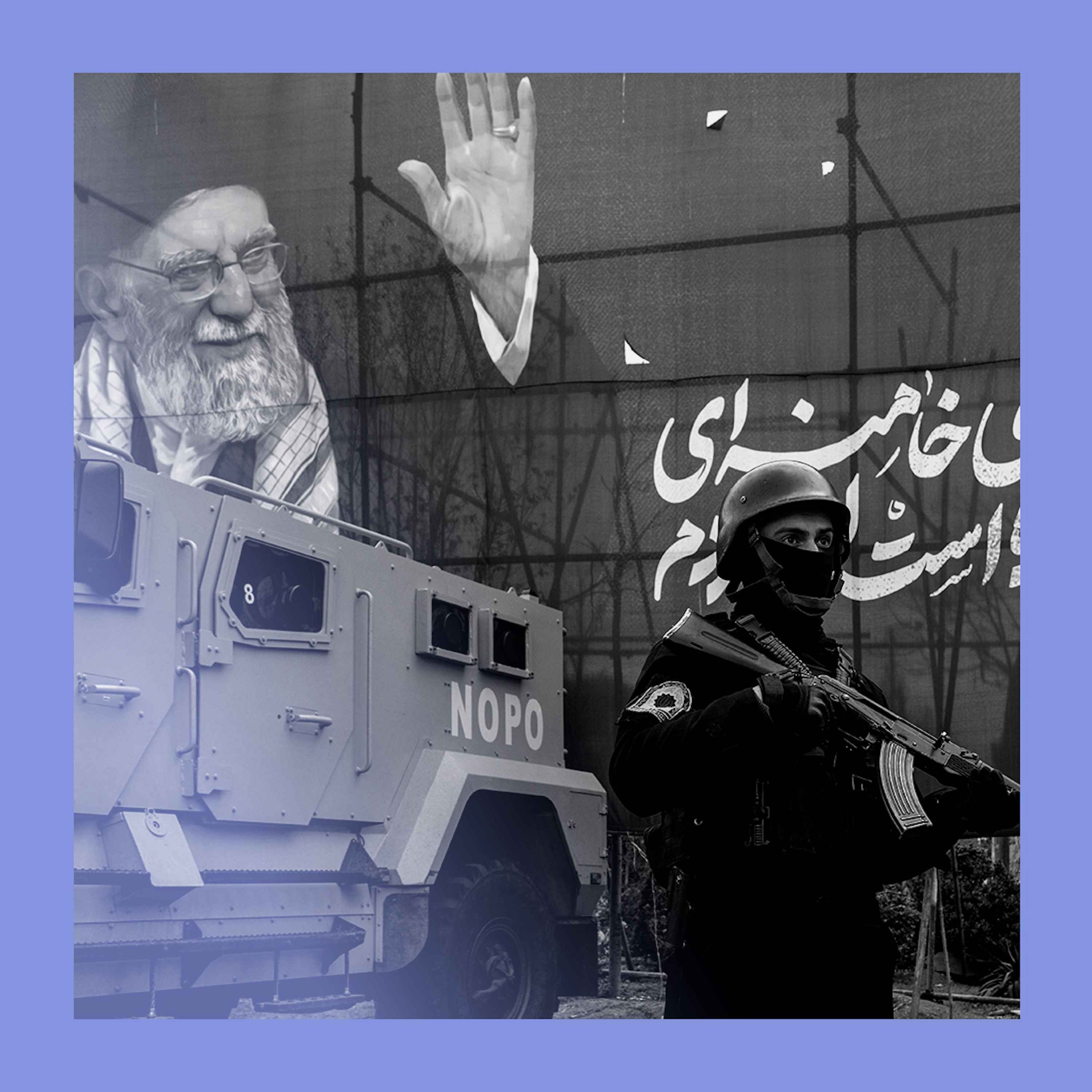
War with Iran — week five
What happened / context
- The conflict has entered its fifth week with little prospect of a quick diplomatic resolution.
- Over the weekend the Houthis (Iran‑aligned militia in Yemen) fired ballistic missiles at southern Israel — a sign of regional escalation.
- Concerns about attacks on commercial shipping (as in the Red Sea incidents two years ago) could dramatically widen economic impacts.
Main takeaways
- Houthis’ actions raise the risk of renewed attacks on Red Sea shipping. If they target tankers again, Saudi oil exports (currently routed via the Red Sea) could be disrupted and global oil shortfalls could double—pushing oil prices sharply higher.
- Iran currently assesses it has some upper hand: it has maintained missile/drone strikes, exerted de facto control of the Strait of Hormuz, and boosted oil revenues despite military strikes against some facilities.
- Israel has struck military and nuclear targets in Iran; some Iranian economic targets (e.g., large steel plants) were also hit — further targeting of infrastructure could change Iran’s calculation.
- Iran’s core end‑game demand is guarantees against future US/Israeli attacks; other demands (reparations, US base closures, formalized control/fees for the Strait) are largely unacceptable to Washington and Gulf allies.
- The US position is mixed: there are diplomatic backchannel messages (via Pakistan) but also mounting political pressure on President Trump to show decisive action. That risk pushes toward escalatory military options.
- Ground troop deployment is becoming likely: ~7,000 US forces already deployed, talk of another ~10,000, amphibious ships moving west. Potential objectives discussed include seizing islands at the mouth of the Strait of Hormuz to protect shipping; riskier options include raids on major Iranian installations (e.g., oil terminal on Kharg Island) or nuclear stockpiles.
- Occupying seized territory would be politically and operationally difficult and could draw the US into a protracted conflict — the very outcome Trump campaigned against.
What to watch next
- Whether Houthis escalate to attacks on commercial shipping in the Red Sea.
- Further strikes on Iranian economic infrastructure and their domestic economic consequences.
- US troop reinforcements and any operations to seize islands or oil terminals.
- Oil price movements if shipping is interrupted.
- Political fallout in the US and effects on US–Israel relations.
America at 250 — extract (1890s–early 1900s)
Key points
- By the 1890s the US overtook Britain as the leading industrial power; growth was financed by Wall Street but benefits were concentrated among tycoons (e.g., Rockefeller, Carnegie).
- Muckraking journalism (Ida Tarbell) exposed corporate malpractices; industrial working conditions spurred labour organising.
- May Day / Haymarket (1886) — strike for an eight‑hour day; a bomb at Haymarket led to police firing on protesters and became a symbol of labour struggle.
- Rising anti‑immigrant sentiment culminated in severe restrictions by 1924; the Statue of Liberty’s symbolism contrasted with closing borders.
- Racial segregation hardened: Plessy v. Ferguson (1896) upheld “separate but equal,” with only Justice Harlan dissenting.
- Imperial turn: 1898 Spanish‑American War made the US a colonial power (Cuba, Puerto Rico, Philippines, Guam) with overseas possessions and ~10 million subjects.
- Theodore Roosevelt (president from 1901) pursued expansionist foreign policy, trust‑busting domestically, but showed limits (1907 financial crisis) — events that helped spur creation of a central bank and modern financial institutions.
- Progress in modernization coexisted with increased immigration restriction and entrenchment of segregation.
Culture — cinema and the “Year of Sci‑Fi”: Project Hail Mary
Overview
- 2026 is being touted as a potential “Year of Sci‑Fi” with 20+ big titles slated.
- Project Hail Mary (adapted from Andy Weir’s novel) is a current standout: original sci‑fi with broad audience appeal.
Reception and box office
- Strong opening: ~$80 million opening weekend in North America.
- Critical response largely positive (high Rotten Tomatoes score); audiences filling cinemas again for big, original sci‑fi.
Film notes & themes
- Premise (spoiler‑light): a lone astronaut on a universe‑saving mission forms an unexpected friendship with an alien — mixes high‑concept sci‑fi with emotionally driven buddy‑movie beats.
- Cast/performances: Ryan Gosling praised for a more serious, nuanced lead role (not a standard superhero archetype).
- Runtime/pacing: ~2.5 hours; some critics and listeners found the length demanding and pacing uneven — moments feel long while some plot shifts feel rushed.
- The film taps into contemporary anxieties (existential risk, climate‑scale threats) balanced with hope and cross‑species friendship — a resonant formula for post‑pandemic cinema returning audiences.
Trends
- Expect more high‑profile adaptations of sci‑fi books and original sci‑fi projects in 2026.
- Cinema’s selling point: out‑of‑home immersive, multi‑hour experiences that offer escape and thematic reflection.
Notable quotes / insights
- “Iran has an opportunity now to end the war on somewhat favorable terms, but it doesn't seem interested in doing that.” — Greg Karlstrom
- On Houthi impact: renewed attacks on shipping could turn a ~10 million barrel/day shortfall into ~20 million — with major oil‑price consequences.
- On US options: “If there are significant American casualties in any of these ground operations, that might add further political pressure on Trump to escalate... a president who once said he's against forever wars... is starting something that may end with exactly that sort of scenario.”
Quick summary / action items for readers
- Monitor Red Sea shipping reports and any Houthi attacks — these have outsized economic effects.
- Watch US force movements and announcements about island or terminal seizures — these signal escalation.
- Track oil prices and market commentary tied to shipping disruptions.
- For culture watchers: Project Hail Mary signals robust audience appetite for original, emotionally grounded sci‑fi — expect more big releases through 2026.
(Sponsors and ad reads were included in the original episode but have been omitted from this summary.)