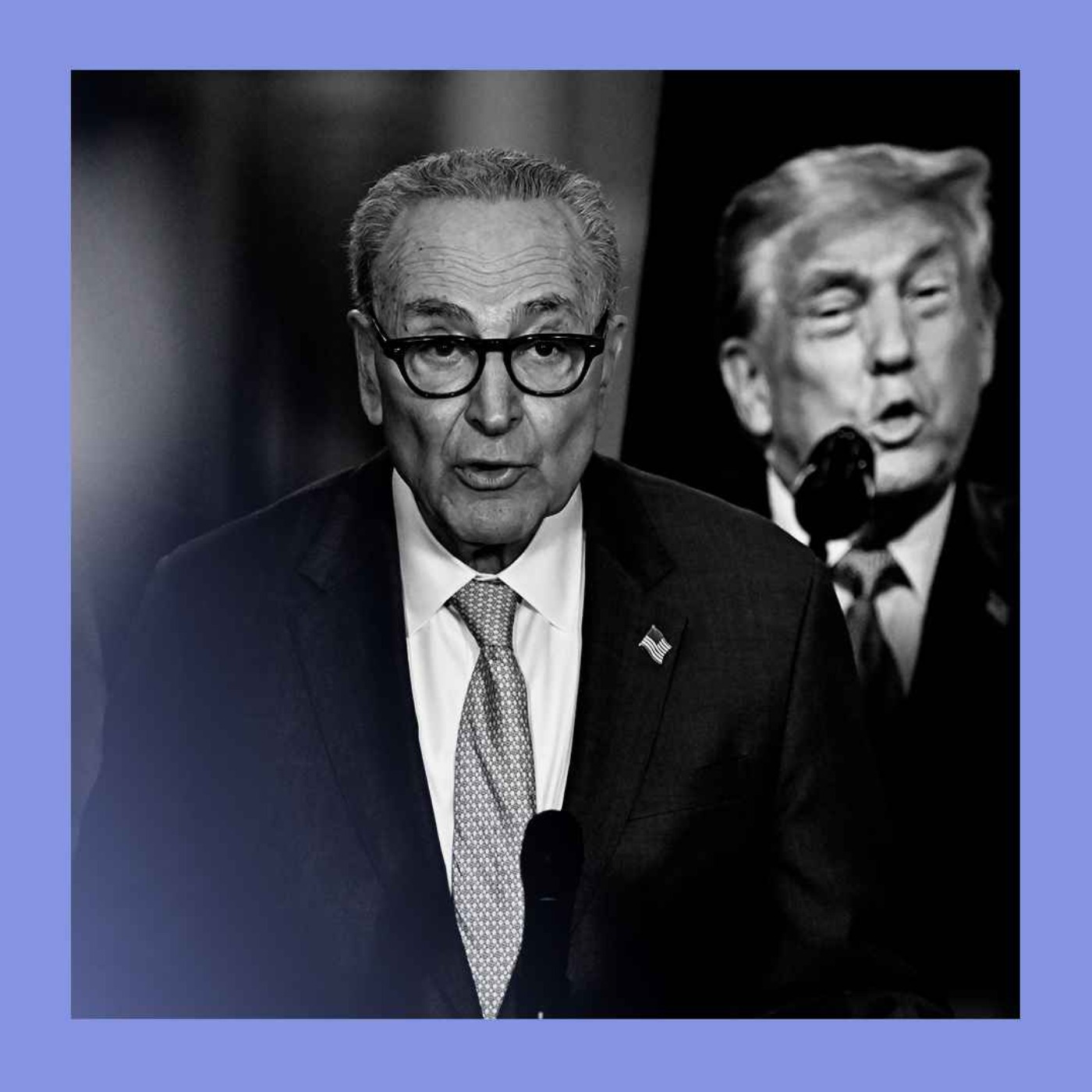
Overview of Spars and strikes: Who backs Iran war?
This episode of The Economist’s The Intelligence (hosts Rosie Bloor and Jason Palmer) surveys the sixth day of the US‑led strikes on Iran (dubbed “Operation Epic Fury”), the domestic political fallout in Washington, allied responses, and related strategic shifts in France’s defence posture. It closes with a look at the business phenomenon of MAGA‑branded consumer goods and why those niche brands have struggled commercially.
Key developments in the Iran conflict
- Operation Epic Fury: The US and Israel report substantial operational successes (missile launchers and other assets struck). Expect continued intense bombing and escalation in the near term.
- Naval incident: An American submarine torpedoed an Iranian frigate in the Indian Ocean, sinking it and killing around 80 sailors.
- Iranian provocations: Iran launched a missile toward Turkey (a NATO member); it was intercepted. Tehran appears to be signaling an intention to widen the conflict and draw in others.
- Unclear objectives: Analysts note strong battlefield claims but poor articulation of political/strategic end goals—raising uncertainty about how and when the conflict ends.
US domestic politics and the War Powers vote
- Senate War Powers Act: Democrats tried to force a roll‑call limiting President Trump’s ability to continue the war absent Congressional authorization. The motion failed along familiar partisan lines.
- Political risk: The vote puts senators on record about their stance and could have electoral consequences depending on how the war unfolds.
- Trump’s posture shift: The episode highlights a clear evolution from 2016 Trump’s “against forever wars” stance to a presidency now willing to launch large‑scale military operations abroad (special forces deployments, strikes).
- Public opinion: No large “rally ’round the flag.” Early polling shows low support (roughly 30–40%), far below levels seen in early 2000s conflicts—suggesting support may fall further if the war prolongs or casualties increase.
International alliances and responses
- Reluctant allies: Beyond Israel, many traditional US partners were cautious at the outset—Europeans were reluctant to offer bases and Gulf states worry about economic and security blowback.
- Increasing involvement: Even hesitant European states are moving naval assets closer (France sending carrier Charles de Gaulle; UK naval deployments) and allowing, at least initially, defensive use of bases.
- Risk of wider escalation: Iran’s strikes toward NATO territory and attempts to involve multiple states raise the possibility of unintended widening of the war.
France’s defence shifts (larger strategic context)
- Carrier deployment: President Macron ordered Charles de Gaulle to the Eastern Mediterranean to protect French interests (bases and defence agreements in the Gulf, plus Cyprus).
- Nuclear posture change: Macron announced an increase in France’s nuclear capability (more warheads) and a move to make the “European dimension” of France’s deterrent more tangible—inviting cooperation with up to seven European countries (e.g., Poland, Germany, Netherlands), while stressing French sovereignty over nuclear decision‑making.
- Motivation: Two drivers—continued perceived threat from Russia, and concern about the reliability of the US security guarantee—prompting a parallel European hedge (not a replacement for NATO).
- Reception: Positive reactions from several European capitals; discussions are likely to be protracted and complex.
MAGA‑branded consumer goods: niche politics in the market
- What they are: Brands and products deliberately marketed to conservative/MAGA consumers (beer, cigars, pillows, diapers, etc.).
- Commercial performance: Despite political energy around Trump, these brands have largely underperformed. Publicly listed MAGA brands saw share declines after a brief post‑2024 election rally.
- Why they struggle:
- Most consumers prefer neutral products; few want to display political affiliation through visible purchases.
- Political boycotts can be effective at pushing large incumbents (e.g., Bud Light) to change course, but new niche entrants face limited mass appeal.
- Business takeaway: For many mainstream companies, avoiding overt political positioning remains the safer commercial strategy—yet politics can still intrude (boycotts, brand backlash).
Notable quotes and lines
- “If you don’t know why you’re fighting, it’s very hard to know where this war will go.” — summary of analysts’ concern about unclear aims.
- Macron on NATO/Europe: France seeks a more tangible “European dimension” to deterrence while insisting this complements, not replaces, NATO.
Main takeaways
- The conflict is escalating militarily, but political aims and an exit strategy remain unclear.
- Domestically in the US, political divisions are entrenched; the War Powers vote put senators on record and may have electoral consequences.
- Allies are cautious but are being drawn in; incidents raise real risks of wider escalation (including NATO entanglement).
- France is recalibrating its defence posture—deploying naval power and expanding the role/visibility of its nuclear deterrent in concert with European partners—reflecting worries about Russia and US reliability.
- MAGA‑oriented consumer brands occupy a visible cultural niche but face limited commercial traction; politics can still damage mainstream brands via boycotts.
What to watch next
- Congressional action or further legislative attempts to constrain war powers.
- Public opinion trends as casualties and economic consequences emerge.
- Allied military deployments and any further Iranian strikes toward NATO or regional partners.
- Follow‑through on France’s announced nuclear and cooperative plans—diplomatic negotiations and practical exercises that make the “European dimension” real.