Overview of The Intelligence from The Economist
This episode (host Rosie Bloor) covers three main stories: the evolving Israel–Iran conflict and potential divergence between U.S. and Israeli war aims (interview with Israel correspondent Anshul Pfeffer); how the Iran war is reshaping markets and why “low‑quality” or “rubbish” stocks can outperform in crises (Capital Markets correspondent Josh Roberts); and an obituary of master clown and teacher Philippe Gaulier. The show also includes promos for related Economist podcasts and regular commercial spots.
Israel, Iran and the risk of U.S.–Israel divergence
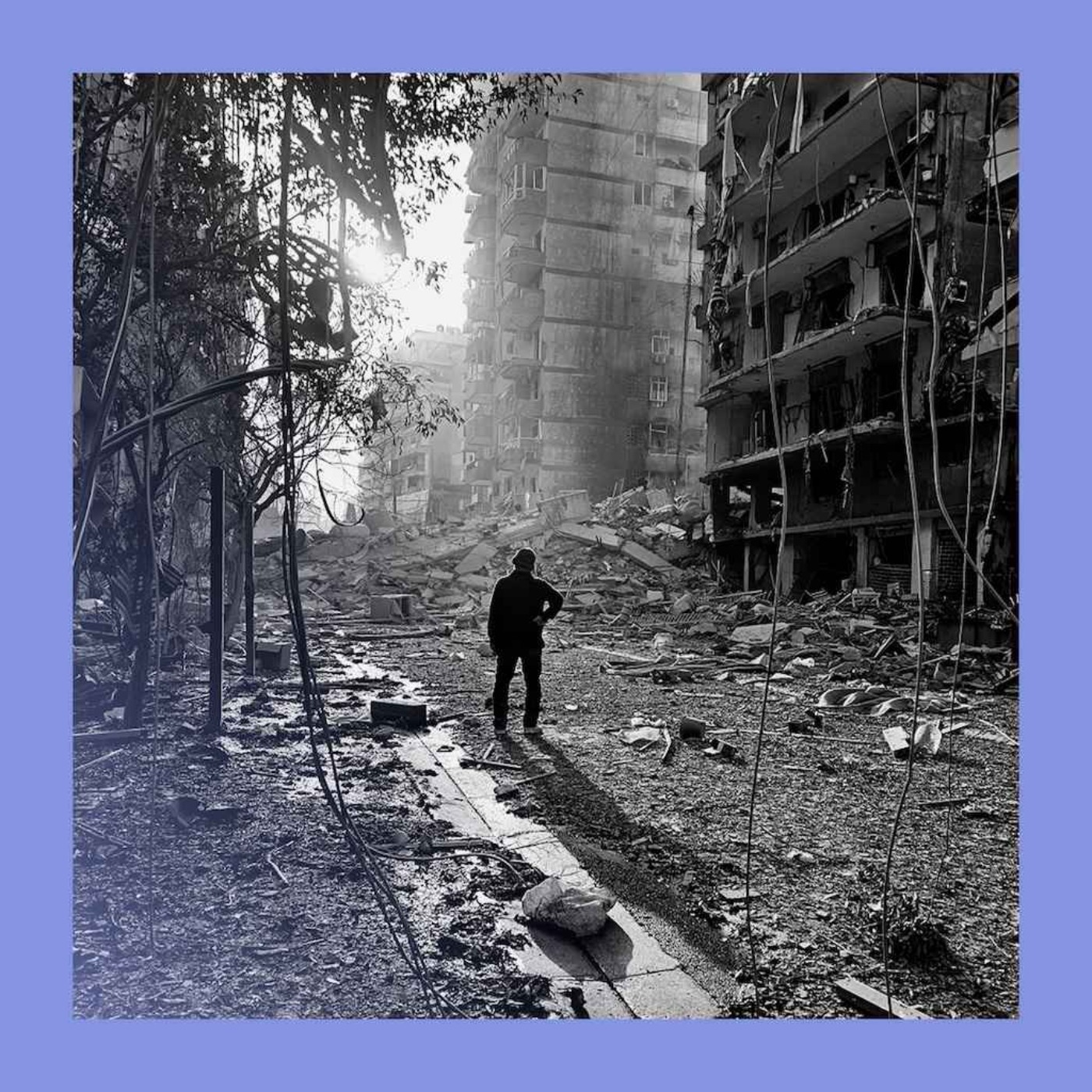
- Context: Benjamin Netanyahu’s first press conference since the war began; Israel expanding strikes in Iran and widening operations in southern Lebanon against Hezbollah.
- Core divergence in aims:
- Israel (Netanyahu): seeks conditions conducive to regime change in Tehran — hopes the war will help trigger or enable protesters to sweep the regime away.
- U.S. (Trump administration): more focused on securing control over Iranian oil flows and keeping a functioning regime that can be influenced — a “Venezuela outcome” rather than outright regime collapse.
- Current military cooperation: Joint air campaign, target coordination, intelligence sharing, and American refueling of Israeli jets — operational unity remains intact for now.
- Key friction point — the “off‑ramp”: disagreement may emerge when it’s time to end active operations. If the U.S. wants to stop before Israeli objectives are met (or vice versa), tensions could rise.
- Regional front — Lebanon/Hezbollah:
- Israel has conducted hundreds of airstrikes; casualties in Lebanon are at least in the hundreds (estimates cited around 700+ and likely higher).
- Limited ground incursions so far (troops near the border); a larger ground offensive remains a political decision tied to Hezbollah’s behavior and Lebanon’s internal control.
- Political stakes for Netanyahu: an inconclusive end without clear success (and perception of Iranian resilience) would damage his standing ahead of elections and raise questions about repeated cycles of conflict.
- Origin of mission creep: Israel initially planned a more limited campaign against ballistic-missile infrastructure; U.S. involvement and Trump’s January statements broadened aims toward regime pressure.
Market fallout — “quality” vs “rubbish” stocks
- Main observation: Since the Iran war began, indices of the highest‑quality firms (those with stable, high, long‑term profitability) have underperformed their broader indices.
- Why this is happening:
- Oil price shocks feed through to costs, consumer spending, government budgets, bonds and currencies — amplifying market uncertainty.
- High‑quality firms are valued on longer‑term future profits (20–30 years out). Greater geopolitical uncertainty disproportionately hits those long‑dated expectations.
- Lower‑quality (“rubbish”/junk) firms often have earnings nearer‑term and lower valuation multiples, so they can be perceived as cheaper and less exposed to long‑term uncertainty.
- Energy stocks (often labeled low quality due to volatile earnings) benefit directly from higher oil prices, boosting the low‑quality cohort.
- Practical implication: In the current shock, investors snapping up low‑quality, cheap names can earn positive returns while high‑quality, highly valued growth stocks fall — counterintuitive to a typical “flight to quality.”
- Reversal risk: If the conflict ends and energy flows normalize, the recent trends could reverse quickly; the persistence of the scenario determines how durable effects are.
- Takeaway for investors: Reconsider blanket assumptions about “quality” as a safe haven during geopolitical and commodity shocks; sector and earnings-timing matter.
Philippe Gaulier — obituary highlights
- Who: Philippe Gaulier, influential clowning teacher, founder of École Philippe Gaulier (1980), died aged 82.
- Teaching style:
- Via negativa: blunt insults and provocation to force students to confront and unstick themselves creatively.
- Cardinal sin: “to be boring” — being dull disqualified you from the stage.
- Two core methods:
- Le jeu: play-based clowning to find the inner “idiot” / childlike freedom.
- Le bouffant: a nastier, mocking clown aimed at society’s targets (racists, fascists, institutions).
- Notable alumni: Sacha Baron Cohen, Helena Bonham Carter, Roberto Benigni.
- Legacy: A demanding, merciless pedagogue who prized freedom, grotesque beauty and the discovery of personal absurdity.
Notable quotes and lines
- Netanyahu (as paraphrased): “Iran is no longer the same Iran … Israel would crush the regime and Hezbollah.”
- On clowning (Gaulier): the cardinal sin is “to be boring.”
- Markets takeaway (Josh Roberts paraphrase): “Fear is good for low‑quality stocks” — in the short term, volatility and commodity shocks can favor firms with nearer-term earnings and cheaper multiples.
Actionable takeaways
- For policy and political watchers:
- Watch U.S. decisions on the war “off‑ramp” and diplomatic moves (e.g., Trump’s engagements with China) — they will signal how durable the U.S.–Israel alignment is.
- Monitor Lebanese stability and Hezbollah’s conduct as determinants of any expanded ground operations.
- For investors:
- Reassess the simplistic “flight to quality” playbook during commodity-driven geopolitical shocks.
- Consider sector exposure (energy vs long-duration growth) and the timing of earnings when hedging or reallocating portfolios.
- For listeners/subscribers:
- Related Economist coverage: Checks and Balance (U.S. politics) and The Weekend Intelligence (longer features) were promoted as follow-ups.
Production notes
- Host: Rosie Bloor. Interviews with Anshul Pfeffer (Israel correspondent) and Josh Roberts (Capital Markets correspondent).
- Promos and sponsorships (Blue Apron, The Drop by GNC) featured at multiple points.
- Full production and contributor credits provided at episode close.