Overview of Let me get this strait: the Iran-war escalation risk
This episode of The Economist’s The Intelligence focuses on the growing risk of wider escalation from the Israel–Iran conflict, driven most immediately by Iran’s campaign to make the Strait of Hormuz effectively impassable for commercial shipping. The programme also includes two shorter reports: one on China’s fast-moving humanoid-robot industry and another on the science and practicalities of the “power nap.”
Main story — Strait of Hormuz, escalation risks and what comes next
Summary
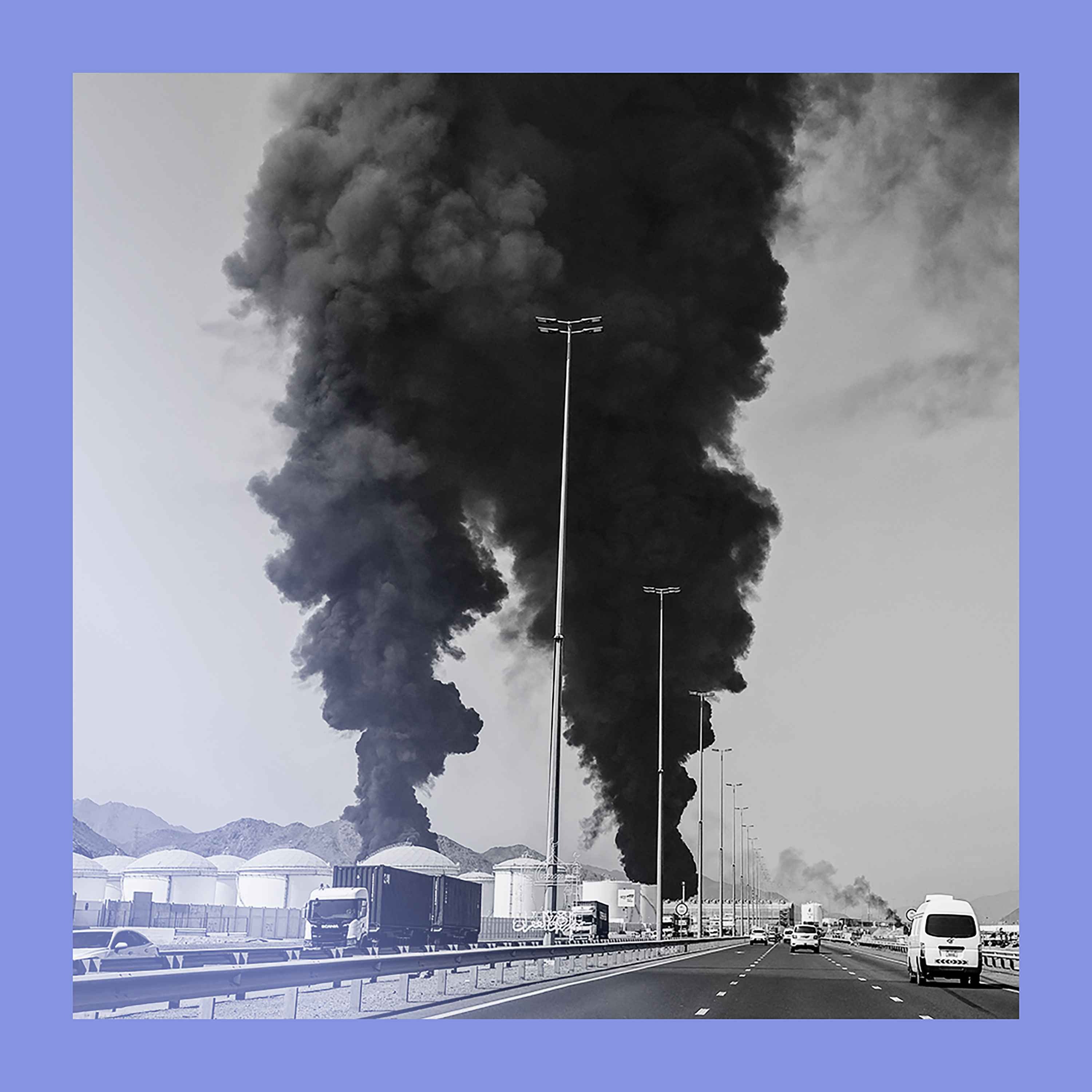
- Iran has not physically blockaded the Strait of Hormuz but has warned ships, and carried out missile/drone attacks on vessels and facilities. The resulting fear among ship operators and insurers has produced a de facto closure of the waterway through which ~15% of world oil flows.
- The US administration, keen to reopen the strait and lower oil prices, is proposing or seeking naval escorts for commercial shipping. Many potential partners (e.g., Australia, Japan) have declined to join.
- Geography and tactics make escorted convoys risky: the strait is narrow (~54 km at its narrowest) with mountainous Iranian shores, leaving escorts little time to react to strikes. Even intermittent weekly attacks could keep shipping away.
- The Trump administration has reportedly struck Iranian military positions on Khark (Kharg) Island — home to Iran’s main oil export terminal — but left oil facilities intact. Analysts say the US could seize the island but would face grave challenges holding it and managing the diplomatic, military and market fallout.
- Workarounds exist: Saudi Arabia’s East–West Pipeline (to the Red Sea) can move up to ~7 million barrels/day; the UAE’s pipeline to Fujairah bypasses Hormuz and carries a substantial portion of UAE output. But Iran has already been targeting these facilities and ports, and could escalate attacks on pipelines, ports or enlist proxies (e.g., the Houthis) to hit diverted shipping routes.
- The core dilemma: both sides have incentives to widen the conflict. Iran may escalate if Hormuz closure doesn’t produce sufficient economic pressure; the US may consider risky military options (island seizures, strikes) to reopen routes and lower oil prices. Regional states (Saudi Arabia, UAE) view damage to their oil infrastructure as a red line and could enter the fighting.
Key risk dynamics to watch
- Frequency and scale of Iranian strikes on shipping and bypass infrastructure (Fujairah, pipelines).
- Proxy activity (Houthis in the Red Sea and Gulf of Aden) against diverted shipping.
- Any US plan to seize or occupy Khark/Kharg Island or other Iranian assets and whether partners join a convoy/escort mission.
- Oil-market reactions: tanker rerouting, insurance premiums, and spot prices (panic if a major tanker is hit on alternate routes).
- Statements or actions from Gulf states indicating direct military intervention to defend infrastructure.
Notable analyst points (paraphrased)
- “It doesn’t take much: intermittent attacks or threats are enough to keep shippers and insurers away.”
- If Iran’s goal is to inflict economic pain to force a halt to strikes, closing Hormuz may be only a first step — and further escalation would target the bypasses.
Secondary story — China’s humanoid-robot push
Summary
- China showcased humanoid robot dancers at the Spring Festival Gala — a clear state-backed signal that humanoids are a priority.
- Recent deliveries of humanoid robots in China reportedly rose ~4x year-on-year to roughly 14,000–15,000 units in 2025.
- The ecosystem: ~100–120 companies selling humanoid bodies and thousands of parts suppliers concentrated around Shanghai and nearby manufacturing districts (e.g., Changzhou’s Wujing). Many suppliers shifted from EV parts to robot components in recent years.
- Current buyers appear to be local governments and businesses using robots for PR/entertainment (events, retail greetings). Industrial use (factories, heavy lifting) remains the long-term goal but is not yet realized.
- A major bottleneck is data: ~95% of training data is simulated. Robots need real-world deployments to gather operational data for industrial tasks — a chicken-and-egg problem.
- Large projections (e.g., Morgan Stanley: up to 1 billion robots by 2050; trillions in annual spending) exist, but the pathway is long and uncertain. China’s government support and deep supply chain are notable advantages.
Key takeaways
- China’s humanoid robotics industry is scaling quickly in production and supply-chain depth, but meaningful industrial deployment is still years away.
- Expect continued public demonstrations and local-government buying to feed data-collection and public acceptance; real productivity gains require safe, reliable in-field data and use-case engineering.
Short segment — Power naps: science and practical tips
Summary
- Scientific evidence supports a short afternoon nap for improved alertness, memory and mood; some studies find naps outperform caffeine for afternoon performance.
- Optimal duration: 10–30 minutes (power nap). NASA’s classic 26-minute study showed improved pilot performance; other research finds similar benefits.
- Timing: best between 1–3 p.m. — later naps risk disrupting nighttime sleep.
- Regular short naps over time can have health benefits (one cited long-term study of a Greek cohort linked siesta abandonment to higher heart-disease risk), but habitual long naps (>60 minutes) have been associated with health risks like higher diabetes and cardiovascular risk.
- Naps are not a substitute for adequate nocturnal sleep; they’re a supplement to help with circadian midday dips.
Practical tips
- Aim for 10–30 minutes; use alarms to avoid deep-sleep inertia.
- Nap earlier (1–3 p.m.), not late afternoon or evening.
- Resting with eyes closed for ~15 minutes can still help if you can’t fall asleep.
- Combine regular good night sleep (7+ hours) with occasional power naps for best results.
Key takeaways (all segments)
- Strait of Hormuz: De facto closure via threats/attacks is destabilising oil markets and risks wider regional war if either side escalates; escorts and island seizures are high-risk policy options.
- Energy markets: Partial bypasses (Saudi East–West pipeline, UAE/Fujairah route) ease but don’t solve exposure; those routes themselves are now targets.
- Robotics: China leads in volume, supply-chain depth and state backing — lots of demos today, industrial utility still years away due to data and capability gaps.
- Napping: Short, early afternoon power naps (10–30 minutes) improve alertness better than caffeine for many people and can compound benefits if done consistently without replacing night sleep.
Actionable recommendations / monitoring checklist
For policymakers & analysts
- Monitor attacks on shipping and on bypass infrastructure (Fujairah, pipelines).
- Track any multinational offers to participate in convoy/escort missions and public statements from Gulf states (Saudi, UAE).
- Prepare contingency plans for major oil-market shocks (strategic reserves, diplomatic engagement).
For businesses & shippers
- Watch insurance and rerouting costs for vessels in the Gulf and Indian Ocean.
- Consider alternative logistics planning for oil and large-scale cargo if rerouting persists.
For investors & oil-market watchers
- Track real-time shipping routes, insurance premiums, and strikes/near-misses — these information flows often presage price spikes.
- Monitor Saudi/UAE throughput on bypass pipelines for supply resilience signals.
For individuals (nap advice)
- Try a 10–30 minute nap between 1–3 p.m. if you feel a pronounced midday dip; use an alarm to avoid deep-sleep grogginess.
- Keep nightly sleep healthy; naps are a supplement, not a replacement.
Notable quotes from the episode
- On the mechanism of the closure: “It doesn’t take much. If Iran can continue carrying out an attack every week… that is probably enough to maintain a de facto closure of the strait.”
- On escalation logic: “If closing Hormuz isn't enough to achieve that goal, then you need to escalate further.”