Overview of The Intelligence — "ISIS control: Syria’s prison camp changes hands"
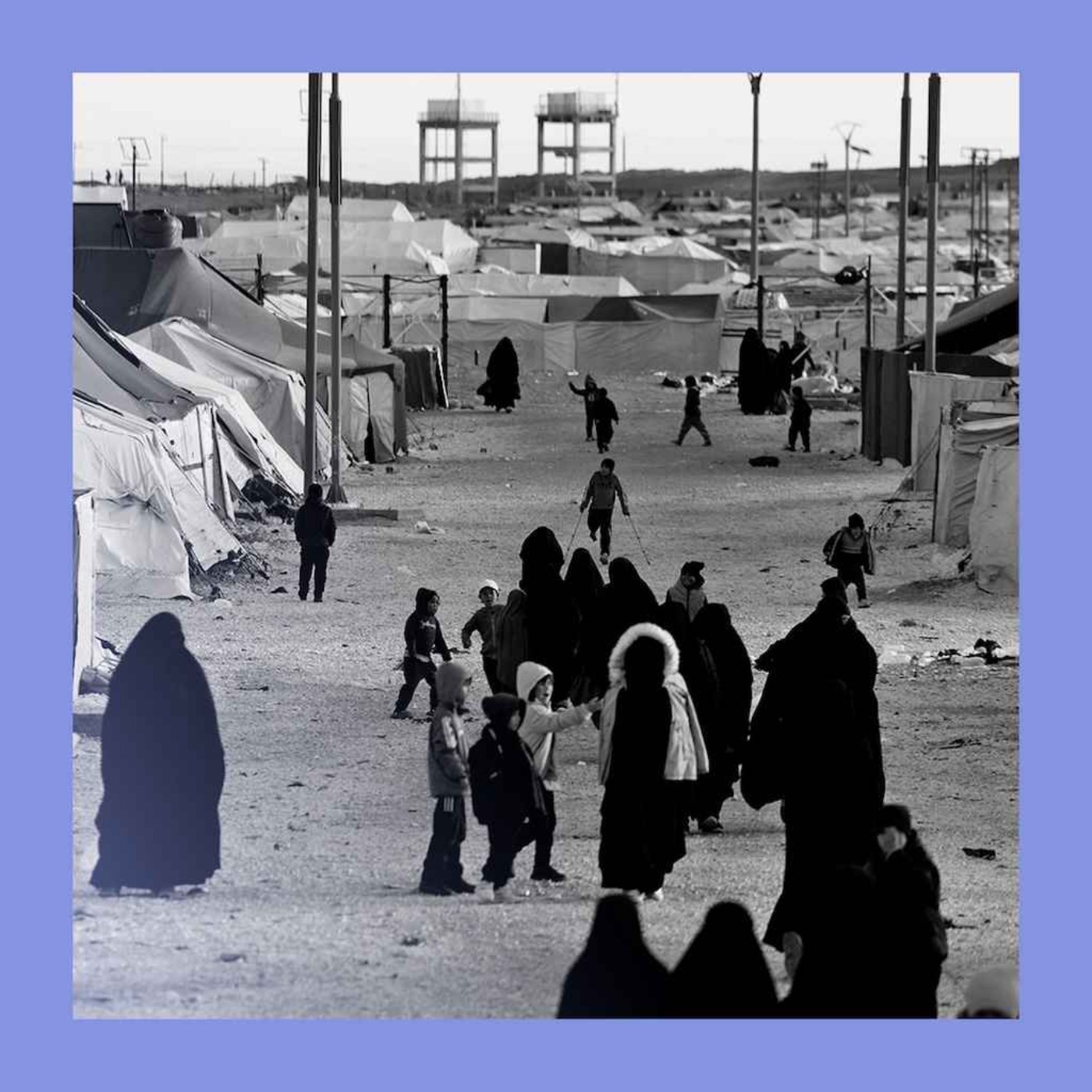
This episode of The Economist’s podcast The Intelligence (host Rosie Bloor) focuses on on-the-ground reporting from Gareth Brown at Al-Hol, the largest camp holding suspected ISIS members and their families in north-eastern Syria. The camp has recently passed from Kurdish-led control (the SDF) to forces aligned with Damascus (headed locally by Ahmad al‑Shara). The report describes the camp’s conditions, the population inside, security breakdowns and escape attempts, and the political and international dilemmas that follow. The episode also includes shorter pieces on Britain’s new regulatory approach to custom medicines for ultra-rare diseases and an obituary of Cecilia Jimenez, the amateur restorer behind the viral “Ecce Homo” church painting.
Key points and main takeaways
- Al‑Hol is a large, long‑running camp near the Iraqi border that has housed 20,000+ people (Syrians, Iraqis and foreign nationals) suspected of ISIS links or displaced from ISIS‑held areas.
- The camp functions more like a deteriorating tent city—with markets, mobile phones and some internet—rather than a secure prison. Ideological influence from ISIS persists among parts of the population.
- Security is precarious: the fence has hundreds of gaps, fires and smoke were observed, and groups (including women and children) have attempted to flee. Guards have had to round people up during escape attempts.
- The handover from the Kurdish-led SDF to Damascus-linked forces raises acute concerns: potential sympathy or informal links between some new guards and jihadist factions (given some guards’ former affiliations), and the risk of deliberate or accidental releases.
- The situation creates overlapping flashpoints: sectarian tensions (Arab vs Kurd), a humanitarian crisis, and an international political dilemma over how to handle foreign jihadists and their families.
- Broader implications: repatriation/refusal by foreign states, radicalisation of children raised in camp conditions, and the reputational calculations for the new Syrian authorities vis-à-vis Western actors.
On-the-ground reporting (Gareth Brown)
- Reporting method: Gareth communicated via WhatsApp voice notes and sent video clips from Al‑Hol.
- Visuals and atmosphere: plumes of smoke, armed riot police at the main entrance, crowds of women/children holding papers at the fence, buildings set on fire by inmates.
- Physical layout: an “oasis of tents” in the desert, parts of perimeter fence missing, informal markets inside.
- Security incidents: witnessed escape attempts—women and children with packed bags running through holes in the fence; guards pursuing and rounding them up. Some children spoke as if “they’re coming to pick us up,” implying coordination or expectation of outside assistance.
Who is in the camp
- Mixed population: Syrians and Iraqis alongside thousands of foreign nationals—Central Asians (Tajiks, Chechens), Uyghurs from China, Europeans and others who joined ISIS or were in ISIS‑held areas.
- Demographics: many children born or raised in the camp; teenagers who remember only life under ISIS influence.
- Ideology: spectrum ranges from people who were coerced/caught up in conflict to committed ideologues who refuse to engage with non‑Muslims or outside media.
Security, political context and risks
- Origins: From about 2018 the SDF concentrated detainees from Raqqa, Deir ez‑Zor and other liberated areas in Al‑Hol; many foreign states declined repatriation, leaving detainees in limbo.
- New authority: Ahmad al‑Shara (Ahmed al‑Shara) and forces aligned with Damascus now control the camp. His background as a former al‑Qaeda figure complicates expectations of how prisoners will be treated.
- Possible outcomes and risks:
- Intentional or tacit releases of detainees if some in the new security apparatus are sympathetic.
- Increased sectarian violence—Arab vs Kurd tensions could escalate.
- An international headache over justice, repatriation, and counter‑terrorism if detainees disperse.
- Continued radicalisation and a lost generation of children raised in extremist environments.
Notable quotes and insights
- “This camp has almost become a little mini city.” — on Al‑Hol’s informal economy and services.
- “This is not fit for purpose.” — referring to the camp’s security and management.
- Child interviewed: “They’re coming to pick us up.” — suggesting expectation or coordination around escape/rescue.
- Observed behaviour: many inmates refused to speak to a Christian reporter, indicating persistent ideological adherence.
What to watch / implications for policymakers and aid groups
- International response: decisions by Western and regional states about repatriation, prosecution, or resettlement of foreign nationals from Al‑Hol.
- Camp security and humanitarian access: whether the new authorities stabilize conditions, allow monitoring, and facilitate aid and legal processing.
- Kurdish‑government relations: how tensions between Arabs and Kurds play out and whether violence spreads beyond the camp.
- Counter‑radicalisation and child protection: programs (if any) to de‑radicalise and rehabilitate children who have grown up in the camp.
- Potential intelligence/terrorism risks if detainees escape or are quietly released.
Brief summaries of the episode’s other segments
- Britain’s new route for personalized medicines:
- UK regulator approved a trial focusing on a regulated process to make customized genetic medicines for ultra‑rare neurodegenerative childhood diseases (initially 11 children).
- The approach emphasizes process approval (how drugs are made) rather than traditional drug‑by‑drug full approvals, accelerating treatment for patients otherwise facing terminal decline.
- Treatment involves spinal infusion of antisense‑type molecules that bind faulty cellular messages. It’s risky but may be the only hope for affected children.
- Obituary: Cecilia Jimenez (aged 94):
- Amateur restorer in Borja, Spain, whose 2012 botched restoration of an Ecce Homo fresco became a viral sensation (“Ecce Mono”).
- Initially humiliated, she later drew tourism, critical reappraisal, art sales and economic benefit to the town; critics compared aspects of her work to expressionists.
Bottom line
The transfer of Al‑Hol from Kurdish to Damascus‑aligned control exposes severe security, humanitarian and geopolitical challenges: a vulnerable population including many foreign jihadists and children, broken infrastructure and porous security, and a complex political landscape where sympathies and past affiliations of new authorities complicate prospects for containment, repatriation and justice. The situation demands urgent international attention on repatriation policies, humanitarian access, child protection and measures to prevent renewed jihadist activity.