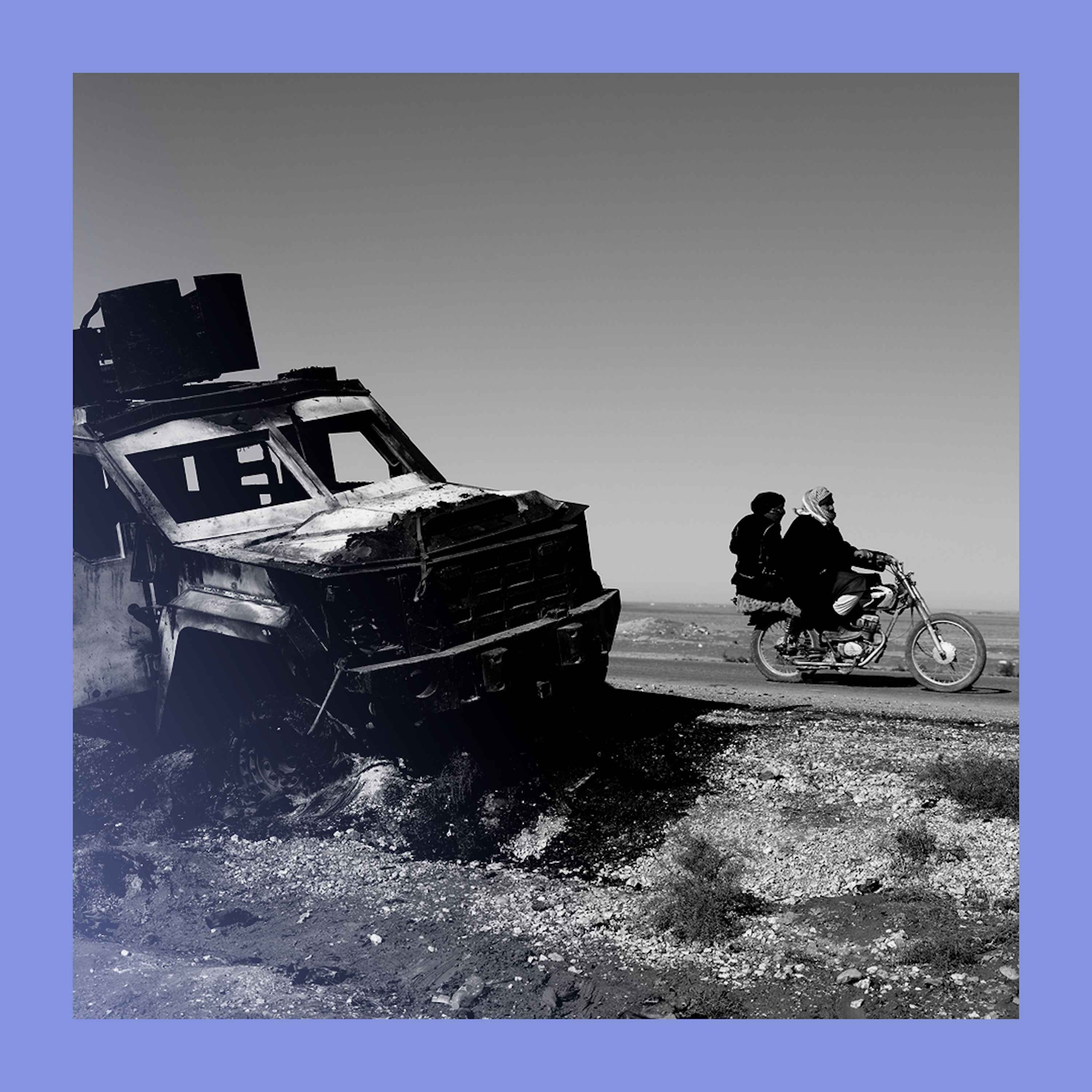
Overview of House of Kurds: on the ground in northern Syria
This episode of The Intelligence from The Economist (hosts Rosie Blore and Jason Palmer) features frontline reporting from Gareth Brown in northeastern Syria and shorter segments on Vietnam’s Communist Party Congress and changing parental time use in rich countries. The main story describes a rapid advance by Syrian government forces into formerly Kurdish-controlled territory, the collapse of Syrian Democratic Forces (SDF) front lines in parts of the northeast, and the immediate humanitarian, political and security consequences on the ground.
Key takeaways
- Syrian government forces have advanced quickly into the northeast, capturing towns that were controlled by the Kurdish-led Syrian Democratic Forces (SDF).
- The fall of areas such as Shadadi and the apparent retreat of the SDF represents a major reversal for Kurdish autonomy in Syria and a symbolic victory for the new Syrian president, Ahmad al‑Shahra.
- Local reactions are mixed: many Arab residents in recently SDF‑held towns have welcomed government forces, while Kurdish communities feel betrayed and fearful of reprisals.
- There is little visible international intervention; Kurdish leaders appear to be reassessing options as external support wanes.
- Separate segments: Vietnam’s party congress is a real contest between reformers (led by Tho Lam) and a military/state-centric faction; US time‑use data show fathers (especially millennials) spending substantially more time on childcare and housework since the pandemic, narrowing the gender gap.
On-the-ground reporting from northeastern Syria (Gareth Brown)
Where and what
- Gareth Brown reports from a military checkpoint near the town of Shadadi, after traveling north from Deir Ezzor following a government advance.
- He describes columns of government troops, jubilant Arab civilians in towns like Raqqa, ambulances, soldiers firing in the air and a chaotic atmosphere.
Why Shadadi matters
- Shadadi was a key SDF-held town during the fight against ISIS and hosts a large prison holding suspected ISIS affiliates from around the world.
- The town switched hands—SDF retreated north and Syrian government forces took control within days.
Who the actors are
- Syrian Democratic Forces (SDF): the Kurdish-led militia/administration that ran much of the northeast since 2011; had support from the US and the international coalition in the campaign against ISIS.
- PKK: described as the ideological backbone of Kurdish militias; historically opposed to integration under the Syrian state.
- Ahmad al‑Shahra: named in the episode as the new Syrian president who is pushing to reassert central control.
Immediate human and political consequences
- Arab-majority towns that resented Kurdish rule have welcomed government forces—celebrations reported in Raqqa and elsewhere.
- Kurds view the advance as catastrophic and feel betrayed by the apparent absence of international protection.
- There are unconfirmed reports and rumors about conditions in a large prison camp (Haseke/Hasakah area) holding tens of thousands of ISIS-affiliated detainees—heightening fears of escapes, unrest, or reprisals.
Outlook and risks
- Two possible trajectories: localized, bloody sectarian clashes if neither side compromises; or negotiated carve-outs/arrangements if Kurdish leaders accept reduced bargaining power.
- The SDF appears outnumbered in many areas and is reassessing strategy as international backstops evaporate.
- The episode emphasizes the lack of strong international pressure or intervention as the advance unfolded.
Vietnam’s Communist Party Congress — factional battle and what’s at stake
The contest
- The Congress is framed as a genuine contest (unlike a purely scripted affair): roughly 1,600 delegates decide leadership and direction for the next five years.
- Two main factions:
- Reformers centered on Tho Lam (general secretary): police background, pursuing market-oriented reforms, administrative restructuring and deeper private-sector integration into global supply chains.
- Military/state-centric faction: favors a larger role for the state and state-owned firms, closer ties to old communist allies, and skepticism of Western engagement.
Key cleavages beyond factions
- Center (Hanoi) vs provinces: Tho Lam’s reforms (province consolidations, ministerial cuts) angered provincial elites.
- North vs South: economic drivers in the South could be underrepresented in top leadership, deepening regional tensions.
Signals to watch
- If Tho Lam secures both the party general secretaryship and the state presidency (à la China), it signals a strong mandate for reforms.
- If the defense minister (Fan Van Zian) or another military figure wins the presidency, it would signal the military’s ability to check Tho Lam and slow reforms.
- The outcome will shape Vietnam’s economic path (fast market reforms vs slower, state-led approach) and foreign policy orientation.
Parenting and time use: fathers doing more
Main findings
- Fertility rates are low in many rich countries (US example: 1.6 births per woman), but parents who do have children are spending more time with them than prior generations.
- Time-use data (US, 2019–2024) show substantial increases in fathers’ involvement:
- Fathers living with partners: ~11% more time on childcare, ~30% more time on housework.
- Women's increases were more modest, narrowing the gender divide in unpaid labor.
Generational trends
- From baby boomers → Gen X → millennials: steady increases in parental time investment. Gen X mothers spent ~50% more time than baby boomers; fathers roughly doubled from boomers to Gen X.
- The pandemic accelerated fathers’ engagement, contributing to a rapid closing of the gap.
Current gender gap metrics
- Pre-pandemic mothers did ~100% more domestic work than fathers. By 2024 the gap narrowed to roughly 65% (childcare) and 60% (housework).
- Among parents with higher education or employment, the gap is smaller (women ~40% more housework).
Implications
- Shifts could affect workplace norms, childcare policy demand, gender-equality politics, and long-term family dynamics.
- If trends persist, parity in unpaid labor could arrive much sooner than previously projected.
Notable quotes and insights
- On Syria: “This armed group which controlled huge swathes of Syria has lost more than half of the territory it held just a week ago.”
- On Vietnam: the Congress is “a battle of influence between two factions” — one pro-market/West and one pro-state/military.
- On parenting: “Since the pandemic there has been a real boost in the amount of time that fathers in particular spend both caring for their children and also just doing household chores.”
What to watch next (actionable signals)
- Syria:
- Movement and security reports from Hasakah, Raqqa, Deir Ezzor and prison camps; any mass detainee releases or escapes.
- Statements or policy shifts from the US, Turkey, Russia and regional actors about intervention or protection for Kurds.
- Humanitarian access and displacement figures from NGOs and the UN.
- Vietnam:
- Final leadership appointments (who becomes general secretary and president).
- Any policy statements indicating the pace and scope of economic reforms.
- Family policy:
- Labor-market and childcare policy changes that respond to increased paternal engagement (parental leave, flexible work).
Hosts: Rosie Blore and Jason Palmer. Reporter on the ground: Gareth Brown. Other contributors: Aaron Connolly (Asia diplomatic editor) and Ainsley Johnstone (data journalist).