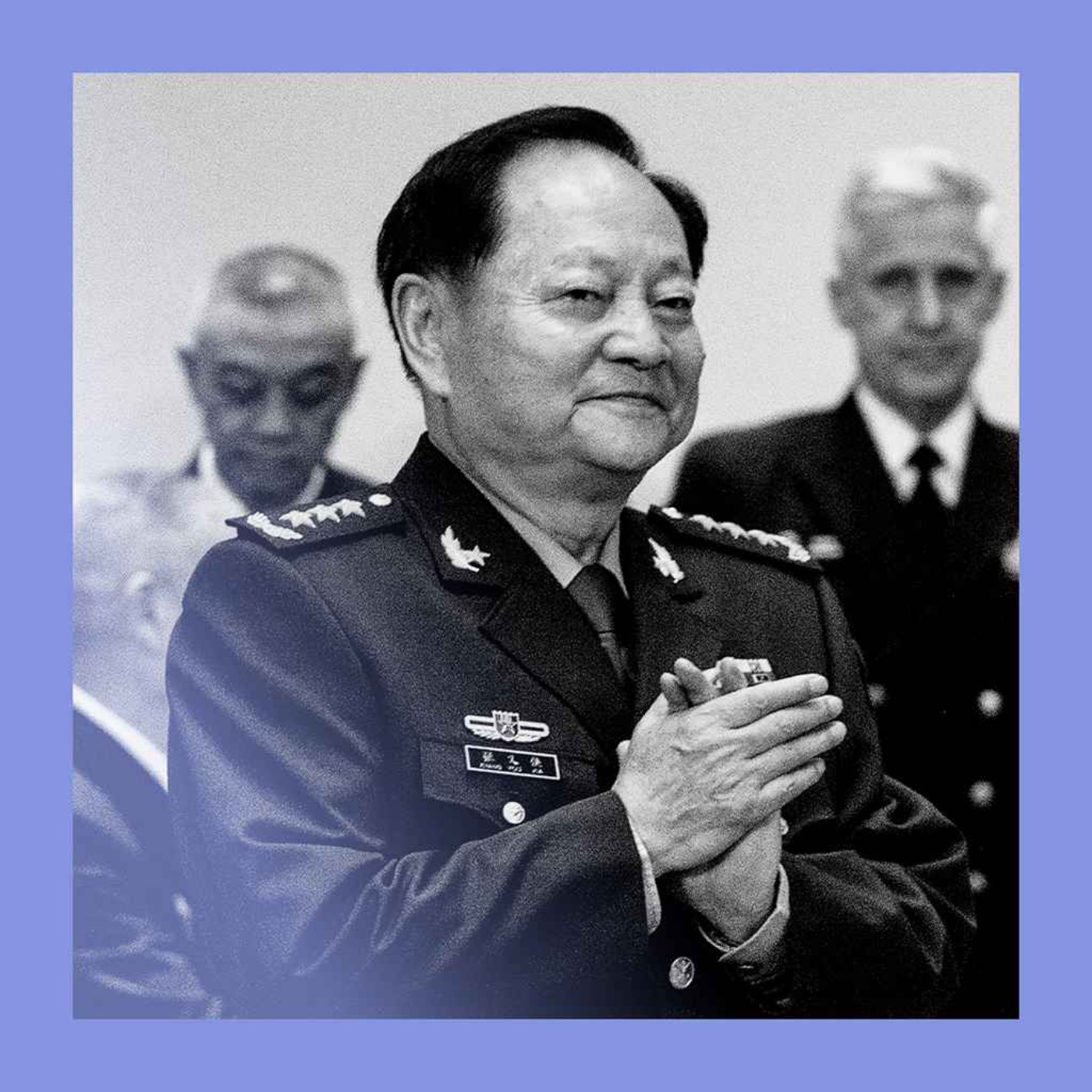
Overview of General ejection: China’s military purge
This episode of The Economist’s The Intelligence centers on a major shake-up at the top of China’s armed forces — the investigation of two senior generals in the Central Military Commission (CMC) — and places that story alongside two other brief reports: the humanitarian and infrastructure toll of Russia’s strikes on Ukraine during a severe winter, and Strava’s preparations for a potential IPO. The main theme is how leadership and capability stresses (political purges, infrastructure attacks, market competition) produce operational and human consequences.
Key takeaways
- Xi Jinping has purged or sidelined a large share of senior PLA leadership; two high-profile generals (Zhang Yuxia and Liu Zhenli) are now under investigation, leaving only Xi and one other active CMC member.
- The purges risk degrading institutional experience and may harm the PLA’s operational readiness just as Xi’s self-imposed 2027 readiness deadline for action against Taiwan approaches.
- Russia’s campaign against Ukrainian energy infrastructure has created a severe winter humanitarian crisis: prolonged blackouts, frozen/burst pipes, failing generator backups and rising civilian vulnerability—especially among the old and children.
- Strava is preparing for an IPO after years of growth; it’s a test of whether the consumer wellness market’s momentum can sustain high valuations and public-market investment.
Segment summaries
China’s military purge (main story)
- Who is involved:
- Zhang Yuxia (75): a “princeling” with long personal ties to Xi; promoted multiple times (CMC 2012, Politburo 2017, top uniformed officer 2022), veteran of the 1979 war with Vietnam.
- Liu Zhenli (61): head of the Joint Staff Department (operations, intelligence, training); also a 1979 veteran and thought to be close to Zhang.
- Allegations (official language): “serious violations of discipline and law” — vague claims of corruption, undermining combat readiness, and damaging Xi’s authority. PLA Daily editorial accused them of trampling the chairman responsibility system (centralizing authority under Xi).
- Possible explanations:
- Frustration with slow progress on anti-corruption and military reform, and poor combat readiness ahead of Xi’s 2027 deadline.
- Actual corruption or rank-buying skeletons (a systemic legacy pre-dating Xi).
- Political threat — Zhang’s growing power may have signaled disloyalty or challenged Xi’s centralized control.
- Scale and implications:
- The CMC now effectively has only two active uniformed members: Xi and Zhang Shengmin (discipline chief).
- Promotions to replace purged leaders face a taint-by-association problem; likely choices are younger and less experienced, which could reduce the quality of military advice and decision-making.
- Operational readiness may be degraded (staff continuity, planning, and morale), complicating any rapid escalation or invasion plans toward Taiwan.
- Rumors include extreme allegations (e.g., leak of nuclear secrets) but such claims are unverified.
- Political optics: The purge undermines Xi’s message of stability ahead of important political milestones (notably the 2027 five-yearly party meeting and his likely bid to secure another term).
Ukraine: winter strikes on energy infrastructure
- Situation: Russia’s missile and drone attacks have targeted substations and energy infrastructure across Ukraine, hitting Kyiv and Kharkiv hard during a particularly cold winter.
- Tactics and defenses:
- Attack pattern: missiles punch roofs, then drones finish internal destruction. Russia is producing hundreds of attack drones daily.
- Ukrainian interception rates dropped from ~98% to ~80% in a year — due to both higher attack volumes and shortages of Western air-defense munitions.
- Human impact:
- Prolonged power outages, heating loss, lack of running water (pipelines freezing and bursting). Generators now used almost constantly and are failing.
- Vulnerable groups include the elderly and children; many citizens heat with makeshift methods (camping stoves, heated bricks).
- Civic responses: warming centers, aid from groups like World Central Kitchen, and informal morale-boosting activities (blackout parties). Mayor estimates ~600,000 departures from Kyiv this month for safer areas or abroad.
- Context: Peace talks (first round with Russia, Ukraine, US in Abu Dhabi) have occurred but Kyiv residents feel little nearer to peace given the current attacks.
Strava’s IPO plans
- Business snapshot:
- Launched 2009; valued at ~$2.2 billion (as of last May).
- CEO claimed ~ $500 million in annual recurring revenue (ARR) around the time of valuation.
- Strava has filed with bankers (Goldman Sachs) and is preparing for a public listing.
- Strengths:
- Rich multisport tracking, broad device integrations (Garmin, Apple watches, etc.), strong social features (sharing, community, group runs).
- Skewed adoption among younger users (millennials and Gen Z), using it across running, hiking, cycling, skiing.
- Competition and M&A:
- Competitors include Apple Health, Garmin’s ecosystem, Nike Run Club, Asics, and niche startups. Strava has recently acquired Runa and The Breakaway (coaching, cycling features).
- Why IPO now:
- Access to capital for M&A and product expansion; an IPO would test whether the wellness-and-wearables consumer spend trend sustains public-market valuations.
Notable quotes / insights
- “Xi Jinping has effectively hollowed out his entire military leadership…” — characterization of the scope and historical scale of the purge.
- The PLA Daily accused the officials of trampling “the chairman responsibility system” — implying the charges have an overt political dimension tied to loyalty to Xi.
- Ukraine on the ground: “Everything is not all right” — a civilian perspective underscoring the humanitarian toll despite outward defiance.
Implications and recommended watchers
- For analysts and policymakers:
- Monitor CMC appointments and promotions closely for competence vs. loyalty trade-offs; track whether younger appointees weaken operational planning.
- Watch PLA readiness indicators (exercises, logistics, training continuity) ahead of the 2027 timeline for Taiwan.
- For Ukraine, prioritize replenishing air-defense interceptors and critical grid repair equipment; anticipate winter-driven humanitarian needs and displacement.
- For investors:
- If considering Strava stock or competitors, examine ARR consistency, user engagement metrics (DAU/MAU), monetization per user, subscription retention, and the company’s M&A pipeline.
- For general audiences:
- Recognize the linkage between political consolidation and institutional capacity: purges can centralize power but also remove experienced personnel necessary for complex operations.
Bottom line
This episode links political control, institutional capability, and human consequences: Xi’s deep purge of PLA leadership risks weakening military competence at a sensitive geopolitical moment; Russia’s targeting of Ukraine’s energy infrastructure has produced an acute winter humanitarian crisis; and Strava’s IPO pursuit highlights how consumer wellness businesses are scaling and testing public-market appetite. Each story underscores how leadership decisions and resource gaps translate directly into operational and civilian outcomes.