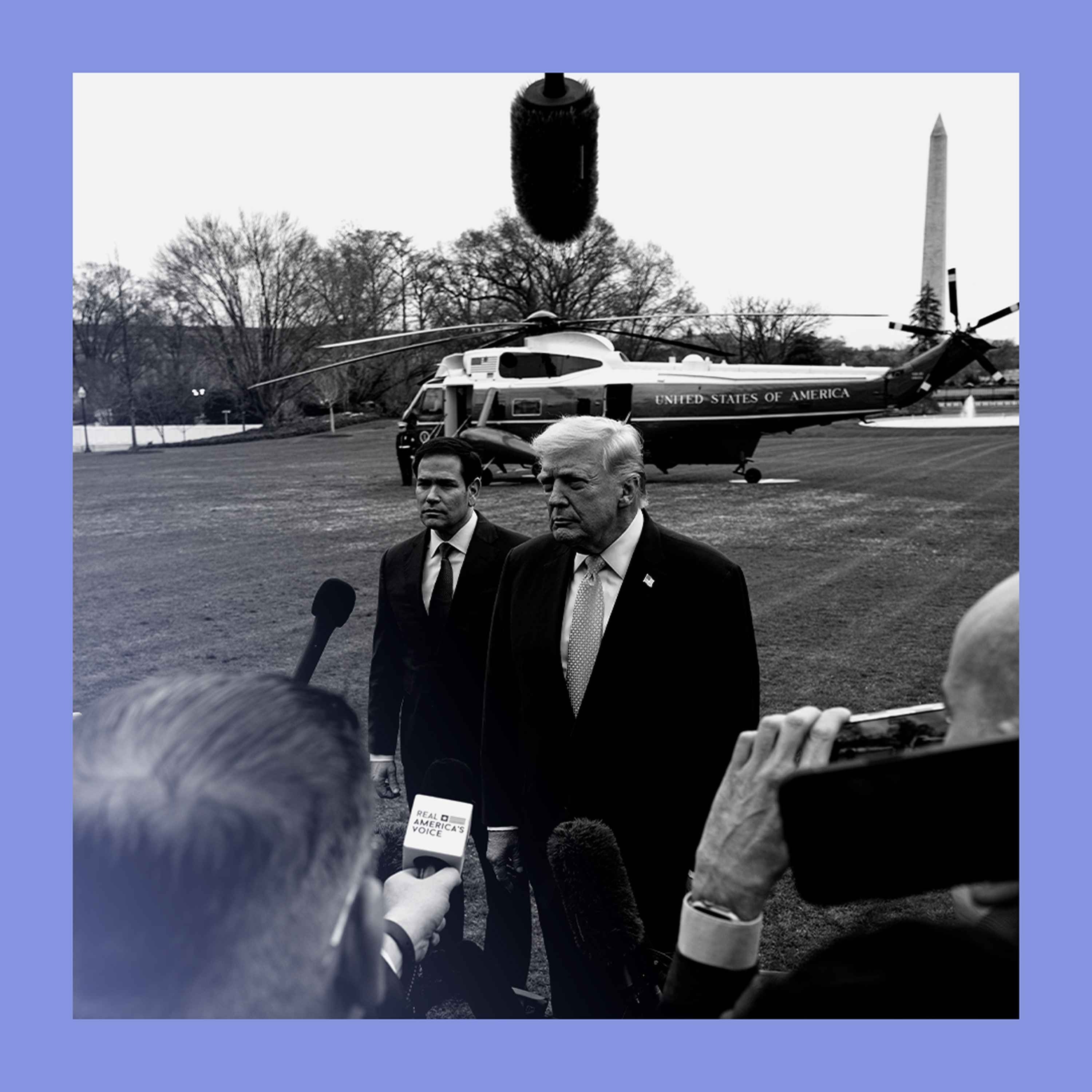
Overview of The Intelligence from The Economist
This episode of The Intelligence (The Economist) focuses on the escalating Iran war and outlines four broad options available to President Donald Trump—talk, leave, continue, or escalate—while assessing their risks and likely outcomes. The episode also includes two shorter reports: scandals and structural problems inside Thailand’s monkhood, and the coming wave of gene-edited fruit (CRISPR crops) and their regulatory/market prospects.
Main takeaways
- There are no good or guaranteed options to end the Iran war; each path carries serious political, strategic and humanitarian risks.
- Diplomacy looks unlikely now because of mutual mistrust, fractured Iranian leadership, and wildly divergent demands.
- A premature U.S. withdrawal could leave Iran with significant nuclear material and leverage over the Strait of Hormuz.
- Continuing a war of attrition may reduce Iranian attack volumes but may not break Tehran’s ability to keep the Strait effectively closed.
- Escalation (attacking power plants, seizing enriched uranium or Kharg Island) is plausible and being signalled, but risks wider regional devastation — including retaliation against Gulf states’ power and water infrastructure.
- Separately: Thailand’s monkhood faces repeated scandals tied to weak financial oversight and elite entanglement; gene-edited fruits promise consumer-friendly traits but face regulatory and rollout timing issues.
The four options for the U.S. (as laid out in the episode)
-
Talk (negotiate)
- Why it’s unlikely: deep mutual distrust; Iran has been attacked while negotiating; Iranian leadership is fragmented; no obvious trustworthy interlocutor or mediator.
- Substance gap: U.S. demands (nuclear rollback, stop funding proxies) vs Iran’s demands (reparations, U.S. base closures, control over Hormuz) are far apart.
-
Leave (declare victory and withdraw)
- Political appeal for Trump but problematic:
- Domestic credibility risk if Americans do not see a clear victory.
- Strategically risky: Iran would still possess 400+ kg of highly enriched uranium and leverage over the Strait of Hormuz — a worst-case outcome for Gulf states.
- Political appeal for Trump but problematic:
-
Continue (attrition / stay the course)
- Rationale: hawks argue sustained strikes can further reduce Iranian missile/drone launches (already fallen from ~1,000/day to <100/day since the war started).
- Limitation: Iran can maintain a lower but effective level of attacks sufficient to disrupt or close Hormuz, prolonging instability.
-
Escalate (major strikes / raids)
- What it could include: strikes on Iranian power plants, raids to seize enriched uranium, amphibious/airborne actions to capture Kharg Island (main oil export terminal).
- Risks: high chance of reciprocal attacks (Iran has threatened attacks on Gulf power and desalination infrastructure), wider regional war, civilian casualties; escalation may not produce decisive victory.
- Notable line used by a U.S. official during the weekend: “escalate to de-escalate.”
Context & recent developments summarized
- Recent weekend: U.S. and Israeli strikes inside Iran, including Tehran; Iranian missile strikes into Israel injured >160 people in southern towns after some ballistic missiles penetrated Israeli defenses.
- Human rights groups estimate more than 2,000 civilian deaths during the war so far.
- Trump issued a 48-hour deadline for Iran to reopen the Strait of Hormuz and threatened to “obliterate” Iranian power plants if it did not — a move that signals possible escalation but carries major uncertainties.
Likely near-term course (podcast assessment)
- None of the four options guarantees an end to fighting. The host’s takeaway: Trump is likely to press ahead militarily or escalate rather than declare victory or negotiate—partly because declaring victory risks being quickly exposed as inconclusive or humiliating if Iran persists in closing Hormuz or retaining nuclear capability.
- The commentator repeatedly stresses unpredictability: “not sure Trump knows what Trump is going to do.”
Other segments in the episode
Thailand’s monkhood: scandal and structural problems
- Incidents: embezzlement at Wat Rai HIng (abbot accused of stealing ~$9m), widespread alleged blackmail by a woman nicknamed “Miss Golf” who reportedly collected tens of thousands of compromising images of monks.
- Structural causes:
- Weak/broken financial oversight at many of Thailand’s ~40,000 temples.
- Temples attract both temporary ordinees (rite of passage) and career monks; lack of vetting and varied motivations.
- The monkhood’s social status and close ties with elites (military, civil service, royalty) make deep reforms politically sensitive.
- Reforms: New rules require stricter financial reporting and caps on cash holdings, but enforcement is uncertain. The monarchy appears involved in recent crackdowns, but a full purge is politically fraught.
Gene-edited fruit (CRISPR) — what’s coming
- What gene editing can do:
- Precise changes (delete/modify single genes) without inserting foreign DNA—different from classic GM.
- Targets: seedless/less noticeable-seed blackberries and cherries (Pairwise), non-browning avocados (Green Venus), slower-oxidizing mushrooms/potatoes; AI is speeding trait design (flavour, size, texture).
- Market and regulation:
- Few products are on supermarket shelves yet; tomatoes and strawberries move faster due to short generation times; tree fruits take years.
- Regulatory moves: Argentina treats gene-edited products like conventional ones; EU institutions reached a deal to simplify marketing/labelling (could reduce stigma).
- Potential consumer uptake follows convenience successes (e.g., seedless easy-peel mandarins boosted citrus demand).
Notable quotes and lines
- Trump’s social-media deadline: 48 hours to reopen the Strait of Hormuz or he would “obliterate Iran power plants.”
- U.S. official line over the weekend: “escalate to de-escalate.”
- Analyst’s observation: “I’m not sure Trump knows what Trump is going to do.”
Implications — what to watch next
- Immediate indicators:
- Status of the Strait of Hormuz (open/closed; shipping disruptions).
- Any U.S. orders or deployments aimed at power plants, Kharg Island, or nuclear sites.
- Iranian retaliatory targets—especially threats against Gulf power/desalination infrastructure.
- Volume and targets of Iranian missile/drone strikes (trends up or down).
- Broader consequences:
- Regional stability and energy markets if Hormuz remains contested.
- Humanitarian toll from further escalation.
- Political fallout for Trump domestically if outcomes are ambiguous.
- For other stories:
- Enforcement of Thailand’s new monastic financial rules; high-profile prosecutions and elite entanglements.
- EU regulatory decisions and first commercial launches of gene-edited fruits; consumer response and market penetration.
Bottom line
The episode argues there is no easy exit from the Iran war: diplomacy is plausible but currently unlikely; withdrawal risks strategic setbacks; attrition may not break Iran’s leverage; escalation risks catastrophic regional consequences without guaranteed victory. Separately, Thailand’s monkhood faces credibility and governance crises, and gene-edited fruit is poised to reshape produce markets if regulatory and consumer hurdles are cleared.