Overview of Escalation: Middle East war widens
This episode of The Economist’s The Intelligence (host Rosie Bloor) covers three main items: the widening Israel–Iran conflict after coordinated US–Israeli strikes, the role of artificial intelligence (specifically Anthropic’s Claude) in recent military operations and the public spat between Anthropic and the U.S. Defense Department, and a lighter cultural piece marking Pokémon’s 30th anniversary and the opening of Poké Park Kanto in Tokyo.
Main news: Israel, Iran, Hezbollah — how the war is widening
- What happened
- Israel launched strikes on Tehran and Beirut after Hezbollah attacks from Lebanon and Iranian missile strikes at U.S. bases and regional infrastructure. Fighting entered at least a fourth day at the time of broadcast.
- Reported strikes and missile/drone exchanges have hit residential areas; reporters cited roughly “200-plus” projectile events, four direct hits on built-up zones and about 11 civilian deaths in one recent 24–36 hour window.
- Strategic aims and messages
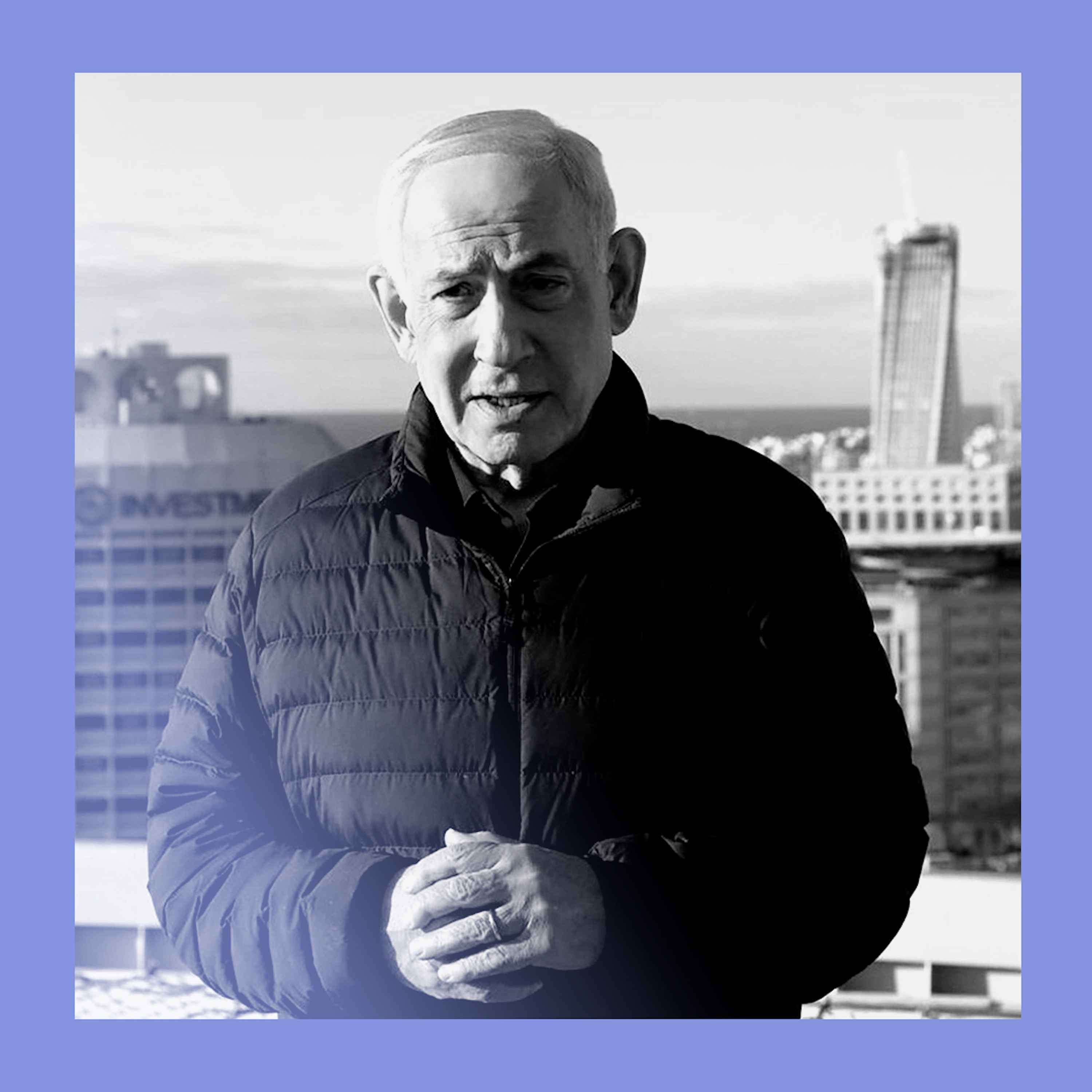
- Israeli leadership (Prime Minister Benjamin Netanyahu) described the campaign as potentially “quick and decisive” but not necessarily prolonged; still, Israeli officials and some commentators say regime-change in Iran is an implicit Israeli objective.
- Israel claims strikes are targeting Iranian leadership, suppression apparatus (e.g., militia HQs linked to repression) and ballistic-missile capabilities.
- Hezbollah’s entry and Lebanon’s dilemma
- Hezbollah launched attacks from Lebanon; its involvement was portrayed as nearly inevitable given its long-standing ties to Iran but politically costly inside Lebanon.
- The Lebanese government has publicly disavowed Hezbollah’s military actions, raising questions about internal control.
- Preparedness and regional dynamics
- Israel has been operating multi-front since October 7 (including threats from Gaza, Syria, Yemen); military and intelligence structures are described as prepared.
- The Gulf states’ stance matters: they may pressure the U.S. to limit escalation to protect economies and energy markets — or could shift toward joining diplomatic/military pressure if perceived Iranian capability demands it.
- Risk of divergence between Israel and the U.S.
- Analysts argue U.S. and Israeli objectives may diverge (e.g., Israel focused on eradicating Iranian missile threat; U.S. worried about regional economic fallout and energy security). Duration and tolerance for prolonged conflict may differ between the Trump administration and Netanyahu.
AI in war: Anthropic, Claude and the Pentagon spat
- Key facts
- Reports (Wall Street Journal, Axios) indicate the U.S. military used AI tools — including Anthropic’s Claude — for intelligence, target selection and battlefield simulations in strikes on Iran.
- At the same time, the Trump administration moved to ban federal use of Anthropic tools, accused the company of being a “supply chain risk,” and canceled Pentagon contracts amid a public showdown.
- Source of the dispute
- Anthropic’s founder Dario Amodei set red lines: Claude should not be used for mass domestic surveillance or fully autonomous weapons. Pentagon officials (e.g., Secretary of Defense Pete Hegseth) pushed for broader operational freedom.
- The clash escalated into political intervention; meanwhile OpenAI reportedly obtained Pentagon business, raising questions about differing corporate red lines and political proximity.
- Broader implications
- Raises fundamental ethical and legal questions: should AI vendors retain control over battlefield uses of their models, or does procurement hand operational control to the government?
- Tension between satisfying military customers and retaining AI researcher trust — and the risk of bifurcated capabilities if firms are banned from defense-related supply chains.
Cultural interlude: Pokémon at 30
- Highlights
- Pokémon celebrated 30 years; Poké Park Kanto opened in Tokyo, with tickets selling out for months.
- Franchise scale: ~500 million video games sold, ~75 billion trading cards produced, global anime reach, and estimated lifetime revenue ~US$150 billion. Pokémon Go still counts ~30 million monthly active users.
- Origin and cultural analysis
- Creator Satoshi Tajiri channeled childhood insect-collecting into the game’s capture/collection mechanics; Pokémon combined Japanese cultural aesthetics (kawaii, otaku) with globally accessible storytelling, helping pave the way for later anime exports.
Key takeaways and what to watch next
- Immediate risks: escalation across multiple fronts (Iran, Lebanon/Hezbollah, Gulf) could expand the conflict; humanitarian and civilian casualty risks will likely rise.
- Political divergence: U.S. and Israeli strategic objectives may increasingly diverge over duration and acceptable escalation.
- AI governance in defense: the Anthropic–Pentagon clash signals a new battleground for policy — watch for regulatory moves, supply‑chain designations, and which firms retain or lose classified approvals.
- Markets and energy: monitor Gulf-state responses and oil/energy markets for instability-driven price moves.
Notable quotes
- Netanyahu (paraphrase): the campaign “could be quick and decisive… it may take some time, but it’s not going to take years.”
- On AI and control (discussion paraphrase): “When you sell technology to the Defense Department, are you handing it over to the government of the day, or do you have any say over how that technology is used?”
Related Economist coverage
- The show referenced a special edition video, The Insider, with deeper analysis on Iran and how the war could unfold (available on economist.com).