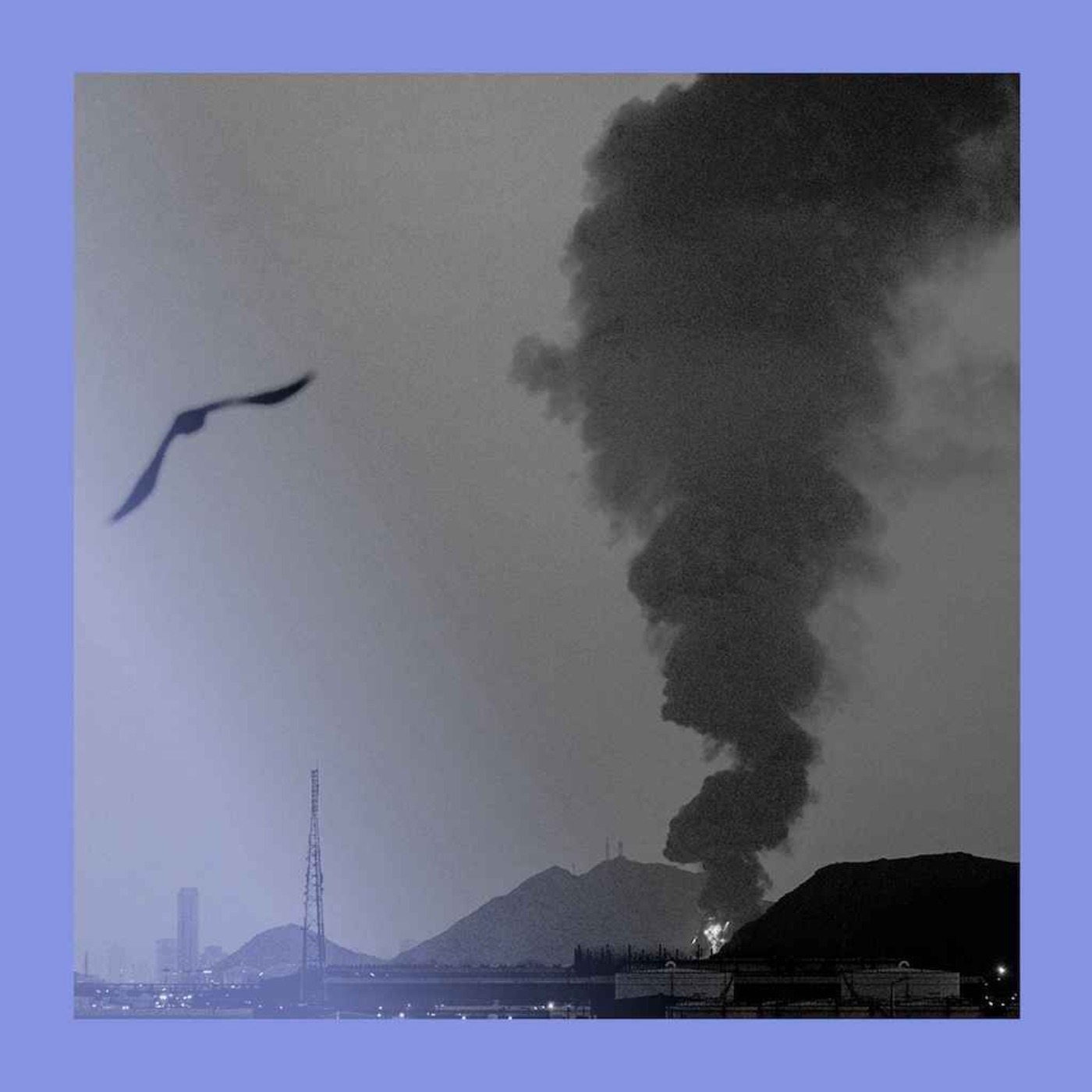
Overview of The Intelligence from The Economist — "Crude awakening: Iran oil shock"
This episode of The Intelligence covers three distinct stories: the immediate economic shock from Iran’s recent strikes and disruptions to Gulf energy routes; the political and personal fallout from England and Wales’s student‑loan system (argued by some to resemble a regressive graduate tax); and a cultural trend piece on the revival of line dancing among younger Americans. The journalism mixes on‑the‑ground reporting, policy explanation and market implications.
Key takeaways
- Iran’s recent missile and infrastructure attacks have sharply disrupted oil and gas flows through the Gulf, raising near‑term prices and economic uncertainty.
- The Strait of Hormuz is a critical chokepoint (about 15–20% of global oil passes through it); disruption or perceived risk there drives market volatility and risk premia.
- Natural gas markets are also affected: an attack on a Qatari LNG facility (Qatar supplies ~20% of global LNG) has pushed European gas prices up.
- Short‑term consequences include higher inflation, weaker economic activity, pressure on airlines and port/logistics hubs in the Gulf, and gains for defence stocks.
- In the UK, many graduates face longer repayment horizons because the earnings threshold for repayments (about £28,000 for 2012–22 cohort) was frozen, increasing the share of income paid and fuelling anger that the system acts like a regressive graduate tax.
- Student‑loan specifics: 9% of earnings above the threshold is deducted until the loan is repaid or written off (typically after 30 years). Higher fees since 2012 (up to £9,000 a year) have increased debt burdens.
- Line dancing has experienced a mainstream revival among younger people—fueled by country music’s crossover, TikTok/Instagram, and venues positioning dance nights as social “third spaces.”
Segment summaries
Iran oil shock — market and economic impact
- What happened: The US says it has struck >2,000 targets in Iran since a joint campaign with Israel began; Iran retaliated with missile strikes on military and economic targets across the Middle East. Tankers have been deterred from the Strait of Hormuz; Iranian attacks hit Saudi energy infrastructure and a Qatari LNG facility.
- Market reaction: Sharp jumps in oil and gas prices; some Asian trading floors (South Korea, Thailand) temporarily paused trading to avoid panic selling. Defence shares rose.
- Why it matters:
- Strait of Hormuz chokepoint: 15–20% of global oil flows use it, so even temporary blockage spooks markets.
- Qatar LNG interruption matters for global gas supply (facility accounts for a significant share—roughly a fifth of global LNG).
- Higher energy costs increase production costs, squeeze consumers, slow GDP growth and raise inflation.
- Political implications: higher pump prices could affect US politics ahead of midterms.
- Key uncertainty: How long disruptions continue and whether traders build a persistent geopolitical risk premium (analysts talk of Brent reaching ~$100/bbl if tensions escalate).
UK student loans — the "regressive" debate
- Background: As university attendance expanded, tuition moved from taxpayer‑funded to fees financed by government loans: £1,000 (1998), £3,000 (2006), £9,000 (2012).
- How repayments work (2012–22 cohort): repay 9% of income above ~£28,000; loans written off after 30 years if unpaid.
- Current controversy: The repayment threshold has been frozen for three years—meaning inflation‑driven wage rises push more people into repayment and increase what they pay. Many graduates face paying into their 40s–50s.
- Comparisons & options:
- Not identical to a graduate tax: loans can be repaid in full (stopping payments), and unpaid balances may be written off after a set period.
- For lower earners, current loan structure can be worse than a straight graduate tax because they pay a high share and have fewer ways to reduce the burden.
- Government options are limited: either graduates pay more, or taxpayers shoulder more (higher general taxation), both politically and fiscally difficult.
- Practical advice: Early repayment can make sense for high earners (to reduce interest), but not for those unlikely to fully repay before write‑off.
Line dancing revival — cultural trend
- Scene snapshot: Brooklyn’s Desert Five Spot and similar venues host sold‑out line‑dance nights; Google searches for line dancing have risen steadily since 2020 and peaked last year.
- Why it’s happening:
- Country/Americana popularity: country crossover artists and collaborations have broadened appeal.
- Social media: short, repeatable choreography fits TikTok/Instagram well and drives viral adoption.
- Venue design and etiquette: no drinks on the dance floor, phone rules, and communal choreography attract young people seeking in‑person social spaces (a “third space”).
- Commercial and social effects: Bars charge cover to offset reduced drink sales (Gen Z reportedly drinking less). Popularity brings crowding and changes the intimacy of early scenes.
Notable quotes and insights
- On strategic geography: “This illusion that geography doesn't matter was really shattered” — Dubai’s perceived immunity to regional instability is under strain.
- On policy trade‑offs: student loans force a choice between graduates bearing more cost versus spreading costs across taxpayers (each has political and fiscal consequences).
- On markets: short disruptions can spike prices quickly; duration determines whether shocks are fleeting or persistent.
Implications — what to watch next
- Energy & markets:
- Duration and frequency of disruptions around the Strait of Hormuz.
- Status of Qatar’s LNG facilities and output restoration timelines.
- Brent crude and regional gas price movements; signs of traders adding a sustained geopolitical premium.
- Airline capacity and hub congestion reports out of Dubai and Gulf carriers.
- Politics:
- How rising fuel prices affect voter sentiment in the US ahead of midterms.
- UK government responses to student‑loan anger (changes to thresholds, interest rates, or write‑off policies).
- Social trends:
- Continued engagement metrics for line‑dancing content on short‑form platforms.
- Venue strategies to balance monetization, safety, and authenticity as the trend scales.
Further resources mentioned
- Tomorrow’s Money Talks (The Economist) — a deeper historical episode on Iran’s relationship with oil (subscriber content).
- Official UK government sites for specific student‑loan plan details and thresholds (for precise eligibility and repayment calculators).
- Market data sources: Brent crude price, LNG flow trackers, and Gulf shipping advisories for real‑time energy and trade impacts.