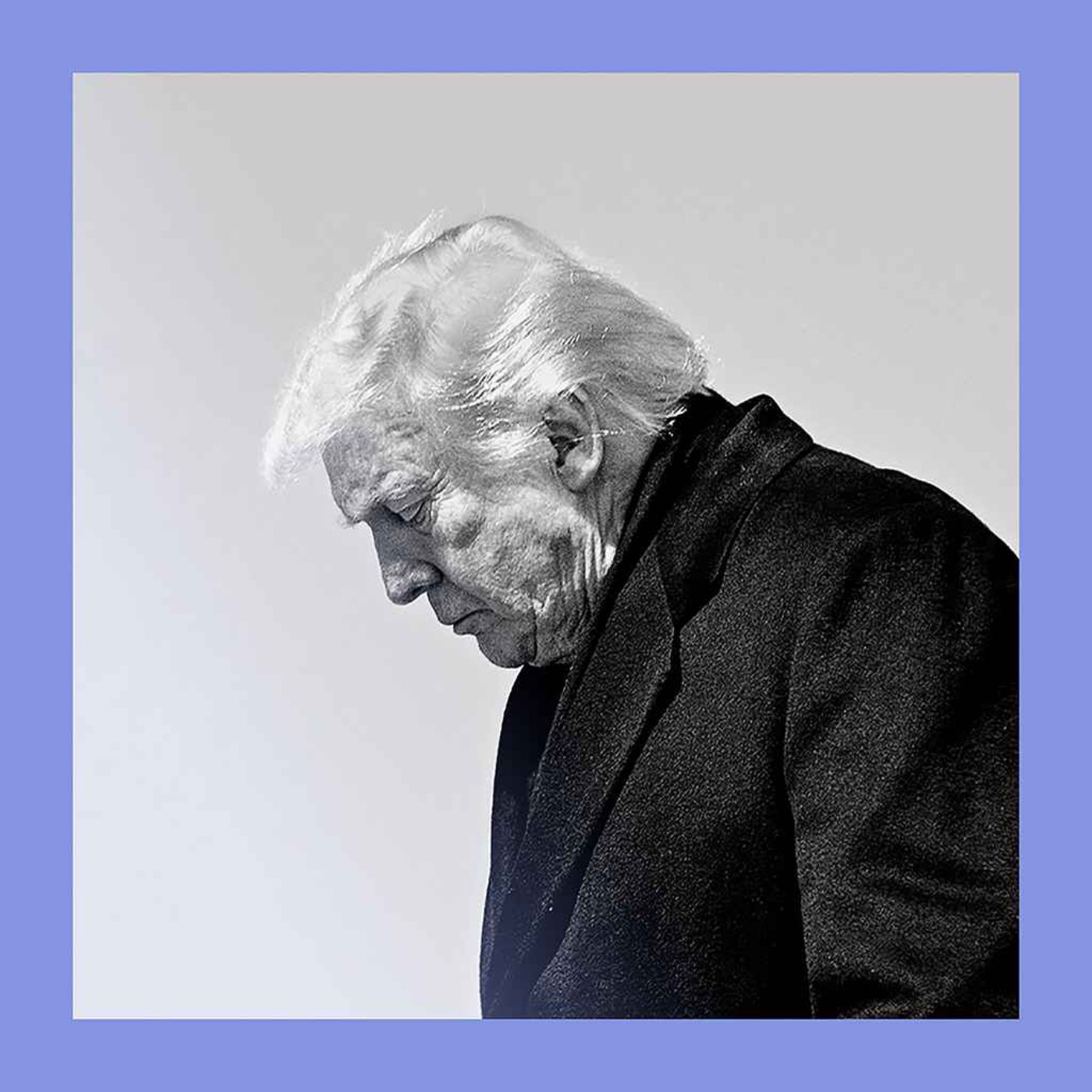
Overview of An act of self-harm: Trump’s latest war might be his undoing
A recent episode of The Economist’s The Intelligence examines three main stories: the political fallout in the U.S. from Donald Trump’s escalation of military action against Iran and its knock-on effects for his power; Turkey’s most important trial in years — the prosecution of Istanbul’s former mayor Ekrem İmamoğlu — and how President Recep Tayyip Erdoğan is using foreign policy to blunt scrutiny at home; and the rise of autonomous food-delivery robots in the U.S. and the surprisingly hostile public reaction to them. The episode combines reporting and analysis to show how foreign policy, domestic politics and technological shifts are reshaping power and public sentiment.
Trump, the Iran conflict, and the political costs
- Core argument: Trump’s decision to escalate military action against Iran is a major self-inflicted political wound that could weaken his core political strengths and imperil his 2024 ambitions.
- Political “superpowers” at risk (as explained by Robert Guest, deputy editor):
- Imposing his own reality: Visible economic signals (rising gasoline and energy prices) make it obvious to voters when his claims (of decisive victory) are false.
- Use of leverage: Allies are less willing to be coerced after being publicly disparaged; asking NATO for help after insulting it undermines his bargaining posture.
- Dominion over the Republican Party: While a base will stick with him, waverers and swing voters may defect because he’s broken promises (no new foreign wars; rapid inflation relief), reducing his ability to build winning coalitions.
- A fourth informal power — the ability to backtrack without admitting error — is limited because Iran can continue retaliation, raising costs even if Trump stops.
- Immediate consequences and evidence:
- Attacks have damaged major gas infrastructure (the South Pars / North Field region), disrupting supplies and pushing up global energy prices — a form of visible pain for everyday voters.
- GOP officials fear heavier midterm losses; betting markets have moved toward a higher chance Democrats take the Senate, which would constrain a future Trump administration and grant subpoena power.
- Risks if Trump feels weakened:
- Domestic: more aggressive prosecutions of opponents, provocative executive actions, politicized immigration enforcement.
- Foreign: abandoning commitments (de facto NATO drift), withholding aid to allies (e.g., Ukraine), bullying regional partners — creating global instability and opening opportunities for adversaries (Russia, China) to test U.S. resolve.
- Key takeaway: Even if Trump remains president, the political and institutional constraints resulting from the war could make him more dangerous and less effective—both at home and abroad.
Turkey: Imamoğlu’s trial and Erdogan’s foreign-policy shield
- What happened: Ekrem İmamoğlu, the deposed mayor of Istanbul and a leading opposition figure from the Republican People’s Party (CHP), is on trial on corruption and terrorism-related charges; he was arrested roughly a year earlier (the trial opened in Selivri prison courthouse). The prosecution carries a theoretical sentence measured in the thousands of years and could be a long-running legal check on his political future.
- Opposition response: CHP leadership (Özgür Özel) is wary of selecting a replacement challenger now, arguing that doing so would give the government time to pursue new targets. The party frames the case as politically motivated to prevent Imamoğlu from contesting presidential elections.
- Erdoğan’s strategy:
- Uses foreign-policy visibility (mediator roles, control over the Turkish Straits, regional security actions in Syria and against the PKK) to make Turkey indispensable to Western security interests.
- Leverages that strategic importance to seek Western tolerance for a democratic backslide and to divert domestic attention from inflation and a rights crackdown.
- Why it matters: Turkey’s geopolitical relevance gives Erdoğan bargaining power with Western allies (migration control, regional diplomacy). That strategic value is providing space for domestic authoritarian measures — including high-profile prosecutions — with less immediate international pushback.
- Key takeaway: Turkey’s external significance is being used to insulate internal democratic erosion; Imamoğlu’s trial is emblematic of a wider pattern where foreign-policy clout muffles criticism of domestic repression.
Delivery robots: adoption, economics, and public backlash
- Trend: Thousands of autonomous sidewalk delivery robots are now operating in U.S. cities under contracts with major food-delivery platforms. They use sensors and AI similar to self-driving cars and claim large efficiency gains (some estimates cite up to 100× energy efficiency vs. motorcycles).
- Advantages cited by makers: lower operating costs, energy efficiency, and reduced waste from sending cars for short deliveries.
- Public reaction: Strong and sometimes violent backlash in the U.S.
- Viral videos show people attacking, disabling or vandalizing robots.
- Local pushback includes petitions to ban robots (e.g., Chicago residents), campus protests, and calls for boycotts.
- The Hitchbot story and other vandalism examples (e.g., security robots defaced) were cited as historical echoes.
- Explanations for hostility:
- Job displacement anxiety and broader U.S. concerns about AI (Pew surveys show Americans more worried than many other rich-country populations).
- Cultural and social reactions to visible automation in public spaces.
- Key takeaway: Technical and economic efficiency may not guarantee social acceptance; policymakers and companies will need to address public fears and regulate deployment to avoid escalatory vandalism and community pushback.
Notable quotes
- Robert Guest: Trump’s actions “erode his three political superpowers” — ability to shape reality, to coerce with leverage, and to command the Republican Party.
- On Turkey: Erdoğan “is turning to foreign policy to obscure problems at home” — using geopolitical importance to mute criticism of democratic decline.
Key takeaways (quick)
- Trump’s military escalation risks visibly undermining his political narratives, alienating swing voters, eroding allied cooperation, and increasing midterm Democratic prospects — potentially constraining a future administration and raising instability risks.
- In Turkey, geopolitical leverage is being used as a shield for domestic repression; Imamoğlu’s trial is both a political maneuver and a test of Western tolerance.
- Delivery robots illustrate that technological efficiency can be outpaced by social opposition; public acceptance and regulation are as important as engineering.
What to watch next
- U.S.: oil and gas prices, polling and betting markets for the midterms, GOP defections or public criticism from Republican officeholders, and any escalation or de-escalation in U.S.–Iran exchanges.
- Turkey: developments in Imamoğlu’s trial, CHP candidate strategy, and signs of Western responses to Erdoğan’s domestic actions.
- Robotics/AI: municipal regulations about sidewalk robots, vandalism incidents and corporate responses, and public-opinion surveys on AI deployment.