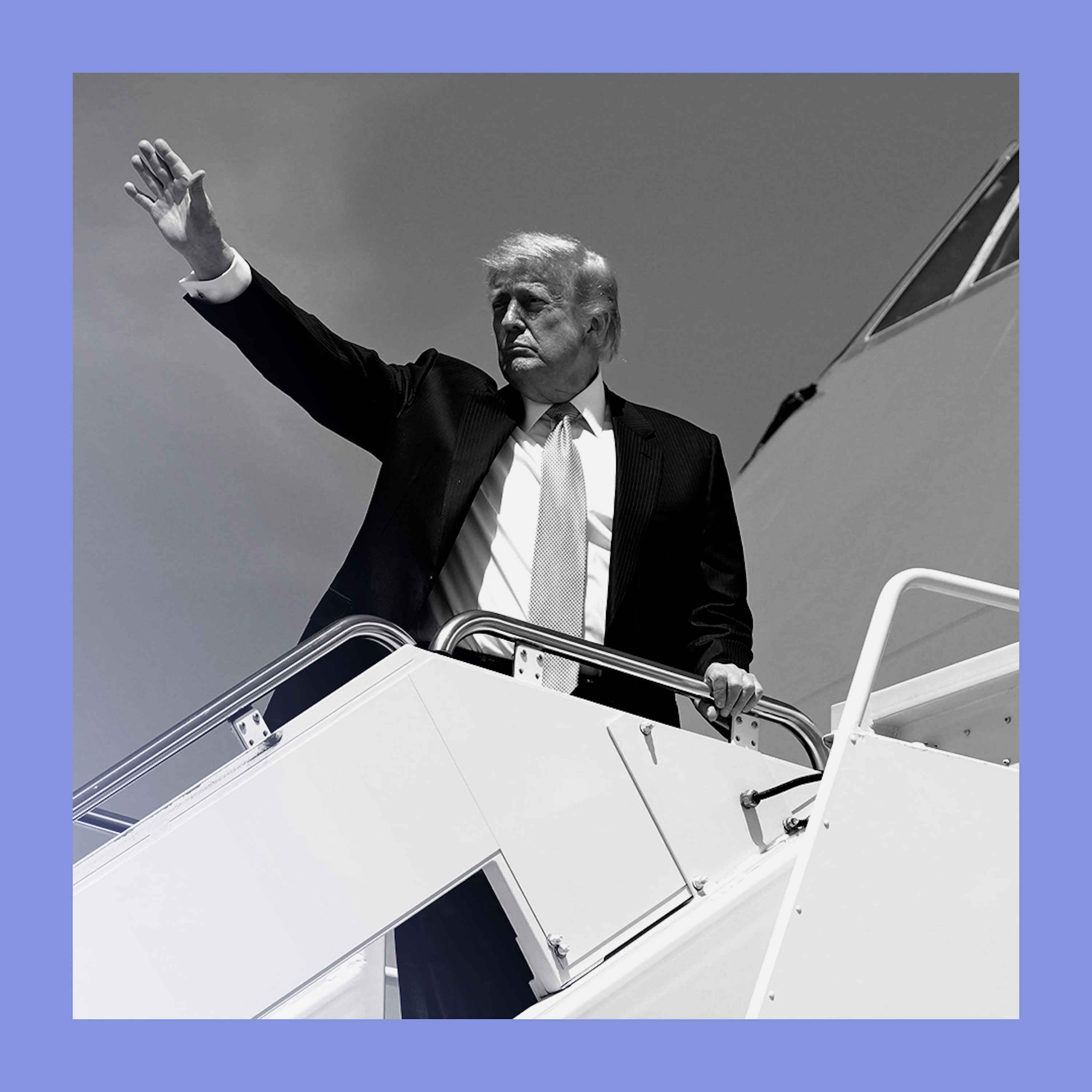
Overview of The Economist’s The Intelligence
This episode opens with a preview of the upcoming Trump-Xi summit in Beijing, then shifts to a look at the long-running Coca-Cola vs. Pepsi rivalry and why Pepsi has recently been losing ground, before closing with a report from a highly politicized Venice Biennale. Across all three segments, the common thread is how business, diplomacy, and culture are being reshaped by friction, changing consumer tastes, and global political tensions.
Trump-Xi Summit: What to Watch For
The main focus is the meeting between Donald Trump and Xi Jinping, which is intended to stabilize a relationship that had become dangerously strained by tariffs and export controls.
Why the summit matters
- U.S.-China relations were near a breaking point earlier in 2025.
- Both countries had imposed tariffs above 100% on each other, threatening to freeze trade.
- China’s rare-earth export controls increased pressure on global industry and helped force a truce.
- That truce lasts only until November, so both sides want a more durable arrangement.
What is realistically on the table
- Trade, not a grand bargain: expectations are now low; the goal is to avoid escalation, not solve everything.
- Possible Chinese purchase announcements: likely purchases of “boeings, beef and beans” from the U.S.
- Talk of more managed trade: possibly through a “board of trade” to balance flows and reduce China’s surplus.
- Tariff certainty: the best-case outcome may simply be a pledge that tariffs won’t rise again soon.
The big geopolitical flashpoints
- Taiwan: China wants Trump to soften America’s stance, especially by opposing Taiwanese independence and reducing arms sales. U.S. officials insist Taiwan is not up for negotiation.
- Russia-Ukraine: Washington wants China to rein in Russia, but Beijing is unlikely to change course.
- Iran: the U.S. hopes China will pressure Tehran to make concessions and reopen the Strait of Hormuz, since China is a major economic partner and oil buyer.
Bottom line
The summit is less about a breakthrough than about preventing another breakdown. Even so, the meeting itself is meaningful: it is part of a series of planned talks that could build momentum if this first encounter goes well.
Coca-Cola vs. Pepsi: A Century-Old Rivalry Shifts
The episode then examines how Coca-Cola has pulled ahead of Pepsi in both market value and consumer appeal.
What’s changed
- Coca-Cola’s American soft drink brands hold about 17% of the U.S. market, versus 11% for Pepsi.
- Since the start of 2023:
- Coca-Cola’s market value has risen about 20%
- Pepsi’s has fallen about 15%
Why Pepsi has struggled
- Pepsi is not just a beverage company; more than half its revenue comes from packaged foods via Frito-Lay and Quaker Oats.
- It raised prices aggressively after the pandemic, pushing shoppers away.
- Consumer concern over ultra-processed foods has hurt demand.
- The rise of GLP-1 weight-loss drugs appears to be reducing purchases of soft drinks overall.
Why Coke is outperforming
- Health-conscious consumers are leaning toward sugar-free drinks, and Coke is stronger in that category.
- Americans drink far more Diet Coke than Diet Pepsi.
- Coke has also been quicker to adapt, including moving into products like protein shakes earlier.
Pepsi’s response
- Activist investor Elliott Management pushed Pepsi to streamline.
- Pepsi is:
- simplifying its product portfolio
- cutting prices
- improving manufacturing efficiency
- There are early signs of recovery:
- operating profit rose 24% in Q1 2026
- it has held onto second place behind Coca-Cola
- it acquired the healthy soda brand Poppi for $2 billion
Bottom line
Pepsi is trying to reinvent itself as a leaner, more health-aware company, but Coca-Cola still has the edge in both brand strength and changing consumer preferences.
Venice Biennale: Art, Politics, and Conflict
The final segment looks at a tense and politically charged Venice Biennale, where global conflict is shaping the art world as much as the artworks themselves.
Major controversies
- Russia’s pavilion returned after being absent for two editions, triggering backlash:
- the European Commission withdrew €2 million in funding
- several countries boycotted the opening
- The prize jury resigned after saying it would not judge countries facing war-crimes accusations, specifically Israel and Russia
- In response, some prize decisions are now being made by popular vote
A Biennale shaped by politics
- The event’s organizers are struggling to handle issues of:
- free speech
- propaganda
- national participation
- Israel’s pavilion is closed, while South Africa withdrew after controversy over an artist’s work involving a Palestinian poet.
- The South African artist Gabrielle Goliath ultimately exhibited elsewhere, in a nearby church, rather than inside the official pavilion.
Notable works and themes
- The Ukrainian contribution, “Security Guarantees,” features an origami deer sculpture and references the promises made to protect Ukraine after it gave up its nuclear arsenal.
- The piece was physically transported from near the front line across Europe, adding emotional weight to the installation.
- The show is described as more inward-looking and local, despite being a global event.
Bottom line
This Biennale reflects a world where art is deeply entangled with war, identity, and state power. The result is a festival as much about conflict as creativity.
Key Takeaways
- Trump and Xi are aiming for stability, not transformation.
- Taiwan remains the most sensitive issue in U.S.-China relations.
- Pepsi’s business model is under pressure from health trends and pricing mistakes.
- The Venice Biennale has become a mirror of geopolitical tensions, not a refuge from them.
Notable Themes Across the Episode
- Managed conflict: whether in diplomacy, competition, or culture, the emphasis is on preventing escalation.
- Adaptation under pressure: China and the U.S. seek a workable trade truce; Pepsi tries to reinvent itself; artists and institutions navigate political constraints.
- The persistence of symbolism: from Taiwan language to soda brands to national pavilions, symbolic gestures still carry major consequences.