Overview of The Intelligence from The Economist
This episode is a mixed-news edition of The Intelligence, led by a deep dive into how the war in Ukraine is changing as Russia gains the upper hand in drone and missile warfare. The show also examines the struggling global alcohol industry as drinking habits shift, and closes with an obituary-style tribute to feminist icon Gloria Steinem.
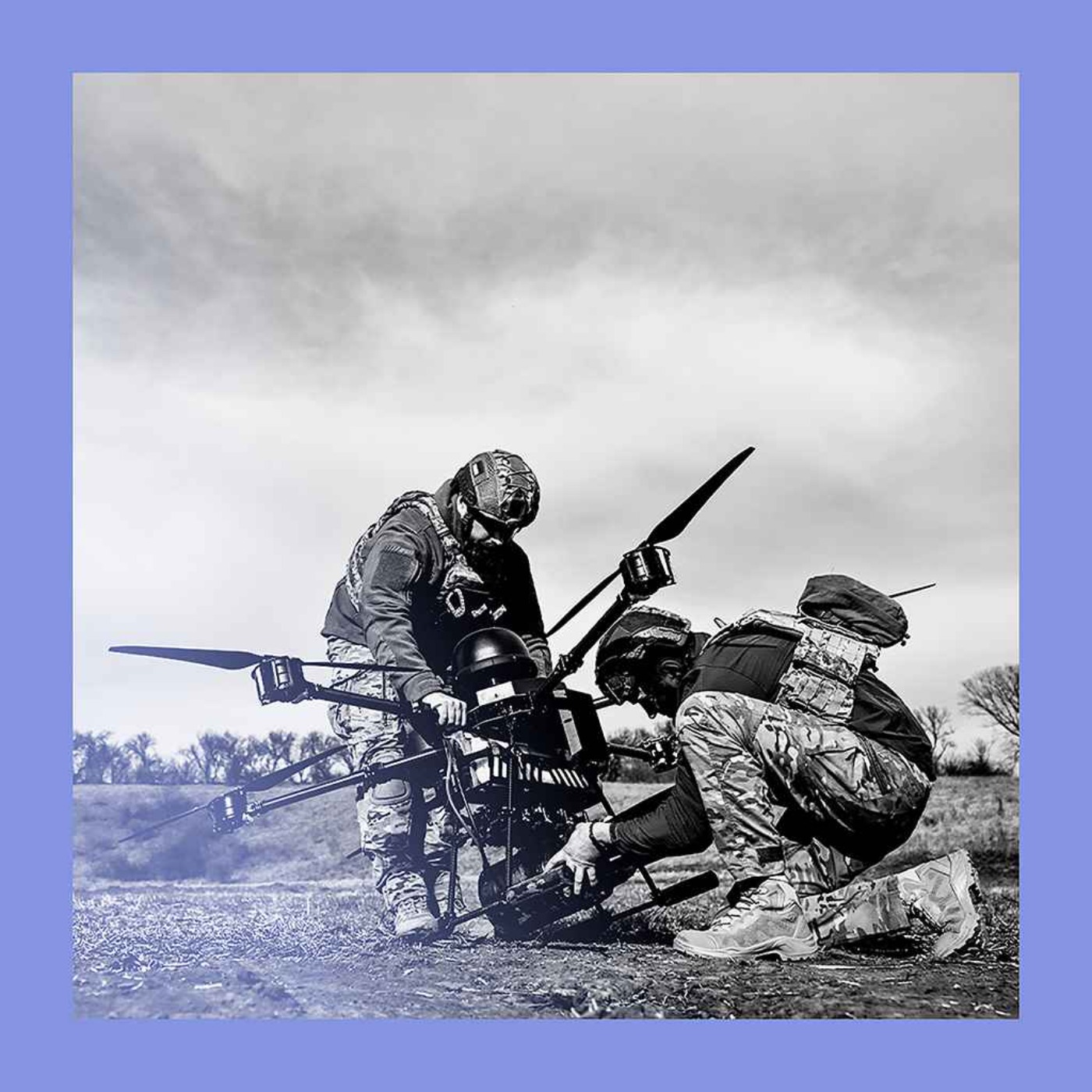
Russia’s drone advantage in Ukraine
What changed on the battlefield
- The frontline remains relatively static, but Russia is increasingly able to strike deep inside Ukraine with drones and missiles.
- According to Economist defence editor Alex Turner, Russia now appears to have the upper hand in both innovation and production scale for strike systems.
- Ukraine is still holding Russian forces back on the frontline, but the rear areas are under escalating pressure.
Why Ukraine is under greater strain
- Russia is improving its Shahed drone fleet:
- Moving from petrol-powered to jet-powered versions.
- Jet-powered drones fly higher and faster, making them harder to intercept.
- Russia is also producing more ballistic missiles at the same time Ukraine is facing a shortage of interceptors.
- The result is a broader campaign against:
- Infrastructure
- Rail networks
- Warehouses
- Petrol stations
- Cities and population centers, including Kyiv
What this means in practice
- The war is increasingly felt everywhere in Ukraine, not just near the front.
- Damage to transport, energy, and retail infrastructure risks weakening Ukraine’s:
- Economy
- Supply chains
- Civilian morale
- Long-term military resilience
- Turner warns that pressure on families and infrastructure could eventually affect soldier motivation and broader political stability.
Ukraine’s response
- Ukraine is developing new interceptor drones and other air-defense solutions.
- Some prototypes already exist, but the challenge is scaling production fast enough.
- Ukraine also needs help with:
- Funding
- Technical expertise
- Possibly access to Western military-industrial know-how
- Short-term urgency: smaller interceptor solutions may take months to scale, while more advanced missile-defense solutions could take years.
Key takeaway
Russia’s advantage is not necessarily decisive on the front line, but its growing ability to strike Ukraine’s rear areas could create a slow economic and political squeeze that becomes strategically dangerous.
The global alcohol industry is losing its buzz
The core problem
- Alcohol sales are declining worldwide, and the biggest producers’ share prices have been falling.
- Young people are drinking less often and going out less, pushing the industry into a structural downturn.
How companies are responding
- Alcohol firms are trying to find growth in:
- Non-alcoholic alternatives
- Ready-to-drink (RTD) canned cocktails
- New occasions and venues traditionally dominated by other categories
- Beer companies have had some success with non-alcoholic beer.
- Wine makers struggle more to create convincing alcohol-free versions.
- Spirits firms are trying to expand into spaces once dominated by beer, such as:
- Sports events
- Concerts
- Outdoor venues
Notable example
- Campari’s Aperol spritz on tap in Italy shows how brands are trying to make cocktails more convenient and scalable.
- The segment is growing partly because premium RTDs feel more adult and less tied to teenage drinking culture.
Broader trend
- Some consumers still want a social drink that changes mood, but not necessarily alcohol itself.
- Emerging competitors include:
- CBD drinks
- Mushroom-based beverages
- These are becoming a bigger threat because they fit more occasions, from pre-meeting relaxation to nightlife.
Key takeaway
The drinks industry is fragmenting, and spirits companies are lagging, while newer premium RTD brands and alcohol-free products are capturing momentum.
Remembering Gloria Steinem
Why she mattered
- The episode closes with a tribute to Gloria Steinem, who died aged 92.
- Steinem was portrayed as a pioneering journalist, activist, and feminist organizer who helped shape modern American feminism.
Her career path
- She famously worked undercover as a Playboy Bunny, exposing exploitative working conditions for women.
- Frustrated by being steered into “women’s” topics, she went on to co-found Ms. magazine.
Ms. magazine and feminist politics
- Ms. was created to reflect what women were actually thinking and discussing.
- It tackled issues such as:
- Pay for housework
- Body hair and beauty standards
- Abortion
- Women’s political power
- It was the first glossy national magazine owned, run, and written entirely by women.
Lasting legacy
- Steinem helped normalize candid public discussion of women’s experiences, especially around abortion and political inequality.
- Though major victories like Roe v. Wade later faced reversal, her influence on feminist organizing and media remained profound.
Main takeaways
- Ukraine faces a harder winter as Russia improves drone and missile strikes against the country’s rear areas.
- The war’s next phase may hinge less on frontline combat and more on whether Russia can strangle Ukraine’s economy and morale.
- The alcohol industry is structurally weakening, with younger consumers drinking less and brands scrambling for new formats and occasions.
- Gloria Steinem’s life story underscores how journalism, activism, and media can reshape public conversation and political change.