Overview of Deal or ordeal: Trump’s bad options in Cuba
This Economist Intelligence episode opens with a deep dive into Donald Trump’s Cuba strategy and why it may be running into a dead end: economic pressure has intensified hardship for ordinary Cubans but has not produced regime collapse or a workable deal. The show then shifts to Colombia’s deeply polarized presidential race, where security fears and economic frustrations are colliding in a three-way contest, before closing with a World Cup preview focused on Mexico’s hopes, vulnerabilities, and the tense political backdrop surrounding the tournament.
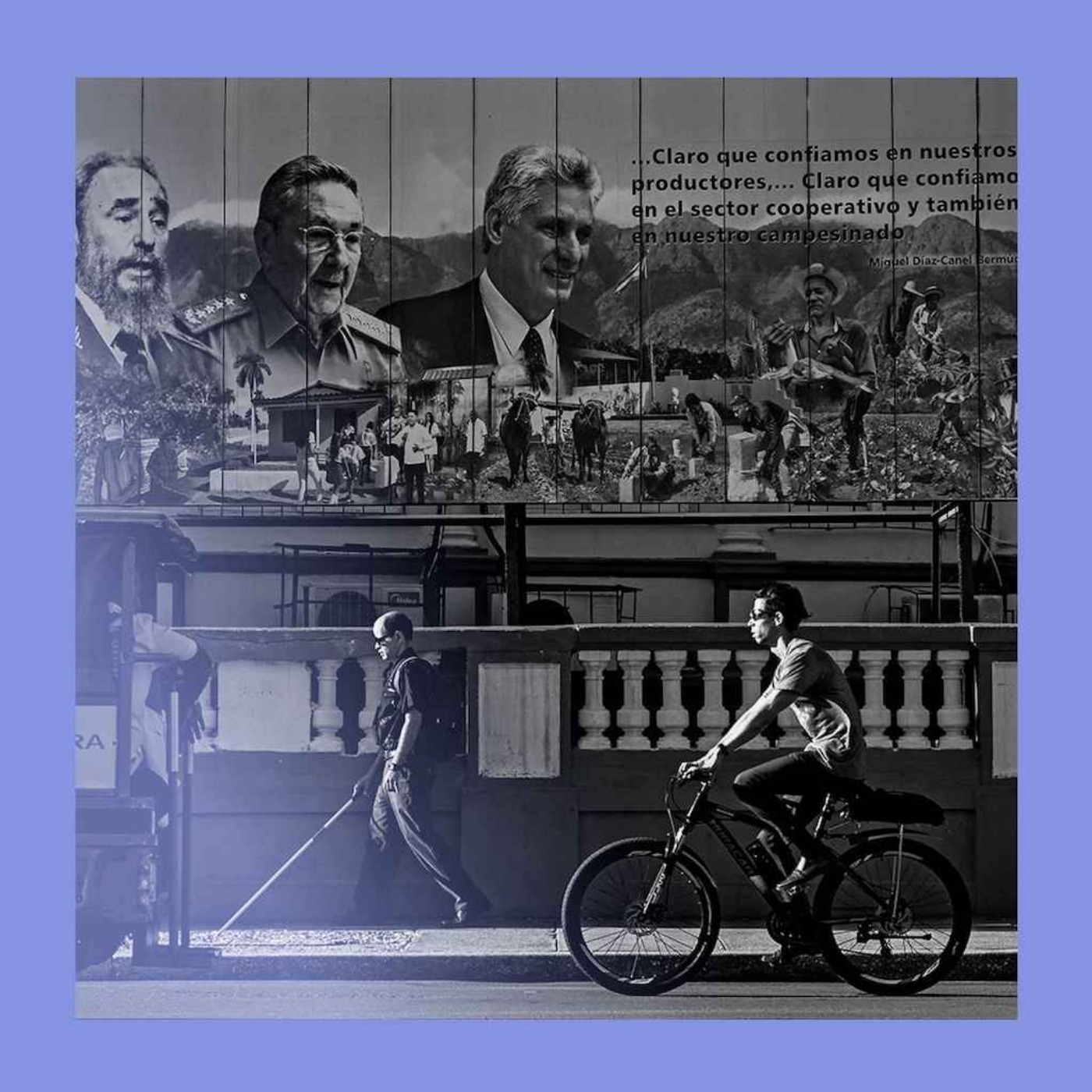
Cuba: Trump’s pressure campaign has few good outcomes
Sarah Burke explains that Cuba’s situation has worsened further, with ordinary people struggling to afford basic food and endure rolling electricity shortages, while the ruling elite remains relatively insulated.
What the U.S. has tried
- The Trump administration has mainly used pressure and coercion, especially by cutting off Cuba’s oil supply.
- It has also threatened military action, hoping to force concessions or provoke internal cracks in the regime.
- Small openings have appeared, such as:
- release of a few political prisoners
- limited economic reforms
- allowing Cubans abroad to invest
Why it has not worked
- The regime has not capitulated and there has been no mass uprising.
- Cuban authorities crack down hard on dissent.
- Many younger, protest-prone Cubans have already left the island.
- Cuba’s political system is highly resilient and has been in power for decades.
Military options discussed
The episode lays out three broad military paths, all with serious problems:
- Full invasion: considered unrealistic.
- Limited strikes on ports, airfields, or other targets: possible, but unlikely to change the regime’s behavior.
- A decapitation strike similar to the Venezuela operation: unlikely to work because Cuba’s power structure is different and not centered on one easy target.
Why Cuba is not Venezuela
- Cuba lacks Venezuela’s oil wealth and other resources.
- It does not have a similarly organized opposition ready to take over.
- Any recovery would require major private investment, a broader economic opening, and a much slower political transition.
Best-case scenario
The most plausible good outcome would be a negotiated deal that:
- keeps the regime in place initially
- allows oil and investment back in
- releases political prisoners
- stops the crackdown on dissent
- reduces the military’s control over the economy
- gradually opens the political system
Colombia: an election shaped by fear, polarization, and personalities
The episode then turns to Colombia, where three sharply different presidential candidates could still win.
The political mood
- Security is deteriorating:
- a presidential candidate was assassinated last year
- cocaine production is at record highs
- civilian casualties from violence are increasing
- The government’s “total peace” strategy has largely failed
- At the same time, many voters feel somewhat better about the economy:
- the minimum wage was raised significantly
- the government has been trying to stimulate demand, even at the cost of fiscal strain
The three leading candidates
- Iván Cepeda — the hard-left contender
- wants to continue Petro-style policies
- supports land redistribution and higher welfare spending
- remains committed to total peace despite its failures
- Abelardo de la Espriella — the hard-right populist
- currently surging in the polls
- promises a hard crackdown on crime
- has a Bukele-like law-and-order style
- wants mega-prisons and mass trials for gang members
- Paloma Valencia — the establishment center-right option
- security-focused but more moderate
- emphasizes education and the informal economy
- could become Colombia’s first female president
Likely outcome
A runoff between the hard-right and hard-left candidates looks increasingly possible, leaving Colombia with an unusually stark ideological choice.
Mexico: World Cup optimism amid political strain
The final segment looks ahead to Mexico’s World Cup campaign and the national mood surrounding it.
On the field
- Mexico has a long World Cup history and is hosting again.
- Fans are hopeful the home advantage will help.
- But the team’s recent form has been poor:
- a weak Copa América showing
- disappointing results against South American teams
- The squad, led by Javier Aguirre and featuring Raúl Jiménez, faces a tough group.
- The biggest challenge may be psychological: handling pressure and expectations.
Off the field
- The tournament is taking place amid North American political tension:
- Trump has threatened Mexico over drug trafficking
- he has also antagonized Canada
- tariffs and security disputes continue
- Mexican President Claudia Sheinbaum is trying to manage the fallout while keeping the tournament on track.
- There are also domestic concerns about crime and security, plus a briefly proposed school-calendar cut that was abandoned.
Key takeaways
- Cuba: Trump’s coercive strategy has intensified suffering but has not produced regime change, making military options look risky and uncertain.
- Colombia: The election is shaping up as a polarized contest between hard-left, hard-right, and establishment visions for the country.
- Mexico: The World Cup offers a moment of national pride, but it is unfolding against a tense political and regional backdrop.