Overview of Centre punch: Germany’s state-election shocker
This episode of The Intelligence focuses on three timely stories: a bruising set of German state-election results that deepen the pressure on Chancellor Friedrich Merz and the CDU, the rapid rise of African stock markets driven by retail investors and the impending Dangote IPO, and a science check on whether blue light from screens really ruins your sleep. The common thread: politics, markets, and habits are all looking more fragmented and less certain than they used to.
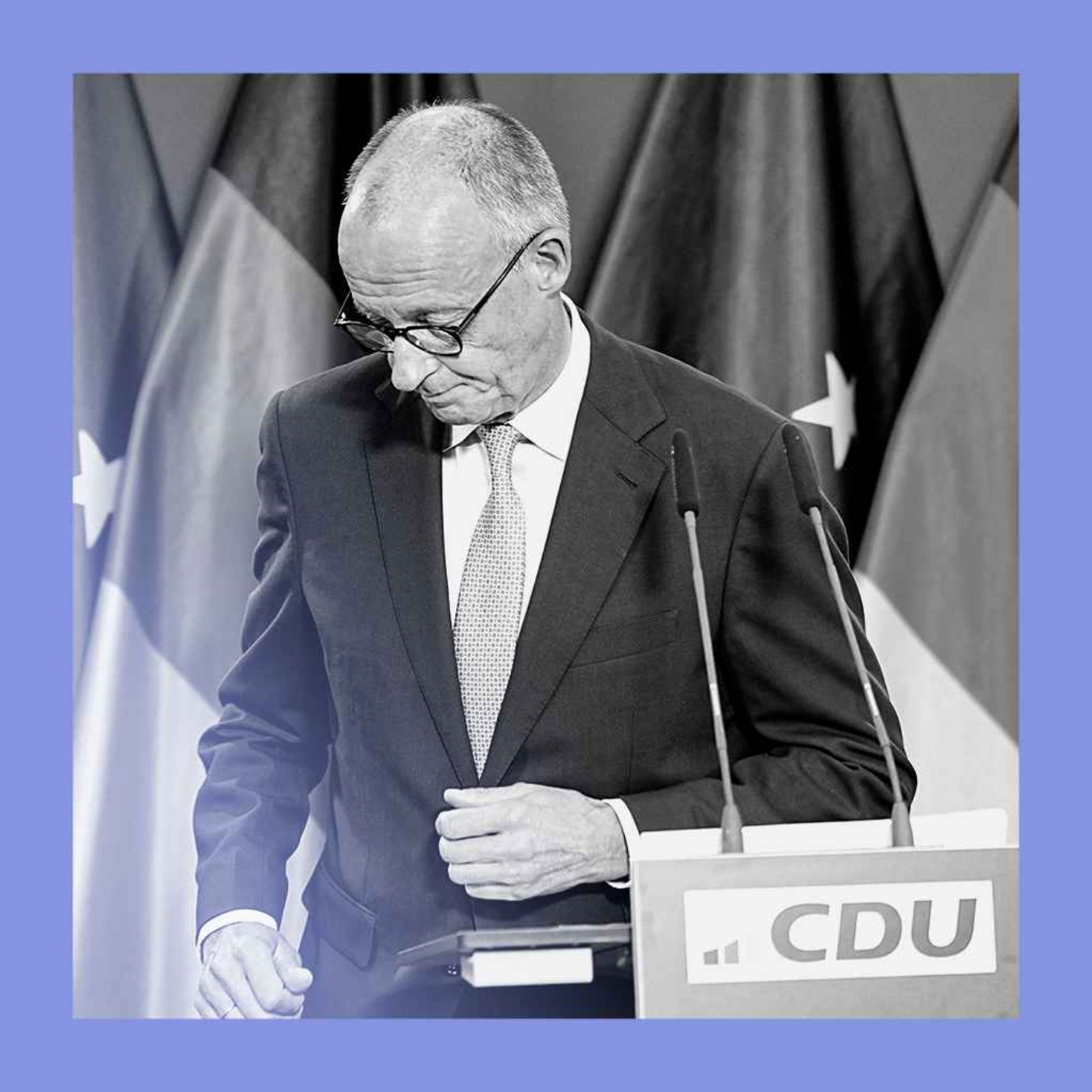
Germany’s state-election shocker
What happened
- The CDU suffered a major setback in state elections, including:
- Mecklenburg-Vorpommern, where it failed to enter the state parliament for the first time in its history by finishing just under the 5% threshold.
- Berlin, where the hard-left Die Linke performed strongly and may help form a government without the CDU.
- In Mecklenburg-Vorpommern, the far-right AfD came first with about 38% of the vote.
- In Berlin, the outcome suggested a shift away from the governing center-right coalition.
Why it matters
- The results are being treated as an acid test for Friedrich Merz.
- They suggest German politics is fragmenting rather than simply shifting right:
- voters are moving toward both the far right and the populist left
- the traditional center is finding it harder to build stable coalitions
- Merz insisted he will stay on course, keep leading the CDU, and push ahead with a package of pension, labor-market, and economic reforms.
Key takeaway
Germany, long seen as politically stable, is entering a more volatile phase in which mainstream parties are struggling to hold the center.
Africa’s stock markets are having a field day
The Dangote IPO
- Nigerian industrialist Aliko Dangote, already worth around $30 billion, is preparing the largest African IPO in history for his refinery.
- If the company reaches a $50 billion valuation by the time shares begin trading on the Nigerian exchange, it could become Africa’s most valuable listed company.
- Dangote says he wants the refinery to be broadly owned by Africans and tied to the continent’s energy security.
What’s driving the boom
- Retail investing is becoming much easier through fintech apps and mobile platforms.
- New investors are coming from:
- rural areas
- the diaspora
- first-time users investing from their phones
- Demand was so strong that some trading apps reportedly crashed when the IPO opened.
Market context
- African markets are still small globally, but they are performing strongly:
- Nigeria: up about 71% in dollar terms this year
- Ghana: up about 50%
- Zambia: saw an enormous jump and remains elevated
- The markets are becoming deeper and less fickle, though still tiny compared with global markets.
Risks and limits
- Many new investors are putting in small amounts — often under $50 per trade.
- That means low-income investors face the biggest downside if markets turn.
- These markets remain shallow and volatile, and real liquidity will still depend heavily on institutional investors and possibly foreign capital.
Key takeaway
Africa’s stock markets are gaining energy and participation, but the boom comes with serious risk, especially for small retail investors.
Blue light before bed: what the science really says
The common belief
- Many people think blue light from screens is the main reason phones and tablets are bad for sleep.
- That idea has fueled:
- blue-blocking glasses
- screen filters
- “night mode” settings
- supplements and other products
What the research says
- The connection between light exposure and melatonin suppression is real.
- Special cells in the eye respond strongly to light around 480 nanometers — in the blue part of the spectrum — and can suppress melatonin.
- But the practical impact of everyday screen use is less clear than many assume.
Mixed evidence
- A 2015 study found that reading on an e-reader for four hours before bed reduced melatonin and delayed sleep slightly.
- A later 2016 study, with two hours of reading and different daytime light exposure, found no meaningful sleep difference.
- Reviews of blue-blocking glasses and blue-filtering software have not found clear, consistent benefits.
Practical advice
- The safest advice is not “fear blue light,” but rather:
- reduce bright light before bed
- dim your screen
- avoid intense white light in the evening
- The exact amount and timing of harmful exposure is still uncertain.
Key takeaway
Blue light matters in theory, but the stronger, simpler advice is just to lower overall brightness and limit intense light before sleep.
Main takeaways
- Germany: The CDU’s poor results show mounting pressure on Friedrich Merz and a broader fragmentation of German politics.
- Africa: Retail investing is expanding fast, helped by fintech and the Dangote IPO, but the risks remain high.
- Sleep science: Screen light may affect sleep, but the evidence against blue light specifically is weaker than many products and claims suggest.
Notable insight
- Merz’s challenge is not just electoral damage, but the growing sense that the center no longer has easy governing majorities.
- In Africa, the growth story is real — but the episode warns that market enthusiasm can outpace investor protection.
- On blue light, the episode’s core message is simple: you probably do not need expensive gadgets; just dim your screen.