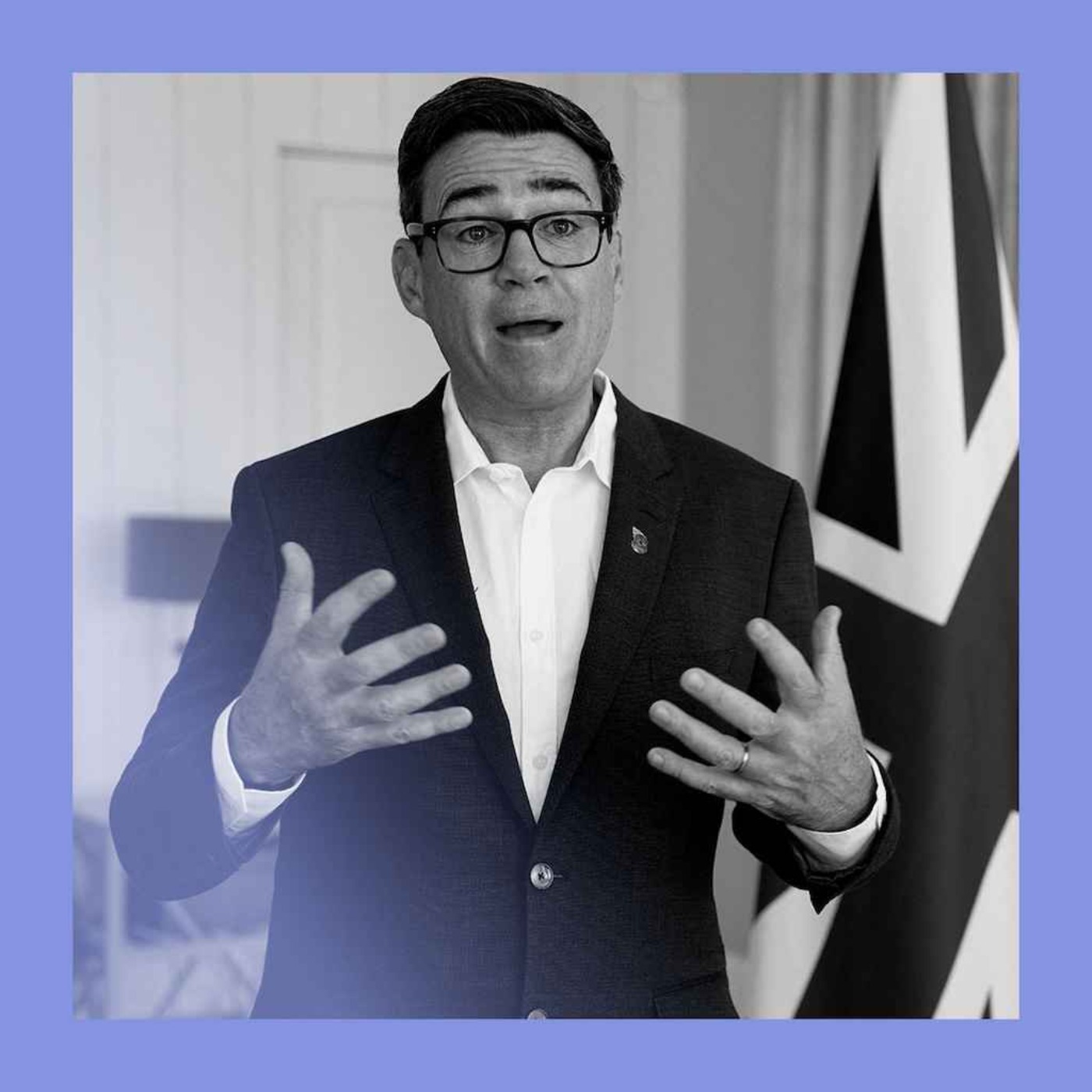
Overview of The Intelligence from The Economist
This episode blends three main themes: an interview on Britain’s foreign-policy direction under Andy Burnham, a report on how Russia’s war has accelerated Ukraine’s demographic collapse, and a remembrance of labor activist Dolores Huerta, whose legacy was complicated by the abuse and sexism inside the farmworkers’ movement she helped build.
Andy Burnham’s “Britain is back” foreign-policy pitch
Core message
Burnham uses a Commonwealth trip to argue that Britain is reasserting itself globally after a “difficult decade,” insisting that the UK still has unusual trust and influence on the world stage.
Foreign-policy priorities
He frames his international agenda around three areas:
- The Commonwealth: repairing and modernizing Britain’s role there
- The Middle East: taking a firmer stance, including sanctions on West Bank settlement products
- Europe: seeking a reset that could range from closer cooperation to potentially reversing Brexit
Bigger ambitions
- He wants Britain to act as a broker on AI governance, helping bring the U.S. and China into a shared framework for oversight and regulation.
- He sees the G20 summit in Manchester in 2027 as the key test of his international credibility.
Ukraine, Russia, and security
- He reaffirmed support for Ukraine militarily and financially “for as long as it takes.”
- He also left open the possibility of British peacekeepers in Ukraine if a settlement is reached.
- He said Vladimir Putin would not be invited to the UK-hosted G20.
China and the EU
- Burnham wants a more constructive relationship with China, drawing on Manchester’s experience of Chinese investment.
- On the EU, he kept options open, including a “halfway house” such as rejoining the single market or even undoing Brexit.
U.S. relations and the Chagos Islands
- He expressed hope that U.S. politics would focus more on the cost of living and implied that ending the war in Iran would help lower oil prices.
- On the Chagos Islands/Diego Garcia issue, he said Britain is reconsidering the handover deal and looking for an arrangement that better addresses U.S. concerns.
Main takeaway
Burnham is trying to sell himself as both a domestic leader and an international statesman, but the challenge is proving that foreign policy can deliver benefits at home.
Ukraine’s demographic crisis has become a catastrophe
What’s happening
The war has intensified Ukraine’s long-running population decline:
- Births are far below deaths
- Millions have fled the country
- Combat deaths and displacement are draining the population further
Human impact
The segment opens with the difficult reality of childbirth in wartime Ukraine, where hospitals must move mothers and newborns into corridors or bunkers during air attacks.
Key demographic facts
- Ukraine’s fertility rate is extremely low, near 0.9 children per woman
- In the first half of 2026, deaths outnumbered births by nearly 4 to 1
- Around 5 million people are believed to have left since the invasion
- Fewer refugees now say they plan to return
Economic consequences
- Ukraine faces a severe labor shortage
- About 71% of companies report difficulty filling vacancies
- The shortage could become even worse during reconstruction
Government response
Ukraine has tried incentives and support measures, including:
- Cash payments for newborns
- Monthly child allowances
- Childcare support
- Fertility treatment coverage
- Free egg/sperm freezing for soldiers
Main takeaway
Even with policy interventions, the report argues that Ukraine’s demographic decline will not meaningfully stabilize without an end to the war.
Dolores Huerta: labor icon, organizer, and survivor of a flawed movement
Her role in the farmworkers’ movement
The segment recounts Huerta’s work alongside César Chávez in organizing farmworkers, especially during the Delano grape strike and the broader effort to win labor protections for agricultural workers.
Her style of activism
Huerta is portrayed as:
- Relentless
- Practical
- Deeply committed to helping workers directly
- A quieter but essential force behind the movement’s organizing and negotiation work
Her family influence
Her mother, Alicia, shaped her view of activism as:
- Helping people in need
- Advocating for those without a voice
- Combining organizing with everyday care and discipline
The darker side of the movement
The segment also addresses:
- Sexism inside the union
- Huerta’s long silence about Chávez’s abuse
- New reporting on sexual assault and harassment within the movement
- The tension between preserving a cause and confronting harm inside it
Main takeaway
Huerta is remembered as a major labor and civil-rights figure, but also as someone whose legacy reflects the contradictions and abuses embedded in some social movements.
Overall takeaways
- Britain: Burnham is trying to redefine the country’s role in the world through diplomacy, pragmatism, and big geopolitical bets.
- Ukraine: The war is not just destroying infrastructure and lives; it is hollowing out the country’s future population and workforce.
- Labor history: Huerta’s legacy is powerful, but the episode emphasizes that even heroic movements can contain exploitation and abuse.