Overview of The Intelligence from The Economist
This episode centers on the Trump–Xi summit and finds that, despite heavy pageantry and warm language, the meeting produced only limited concrete progress. The main political and economic takeaway was a short extension of the U.S.–China trade truce, while deeper issues — AI competition, Taiwan, and broader strategic rivalry — remain unresolved. The episode also includes a report on how British far-right figure Tommy Robinson is influencing parts of American politics, especially in Texas, and an obituary tribute to fashion designer Bob Mackie, whose glitter-heavy costumes defined some of the most iconic looks in entertainment history.
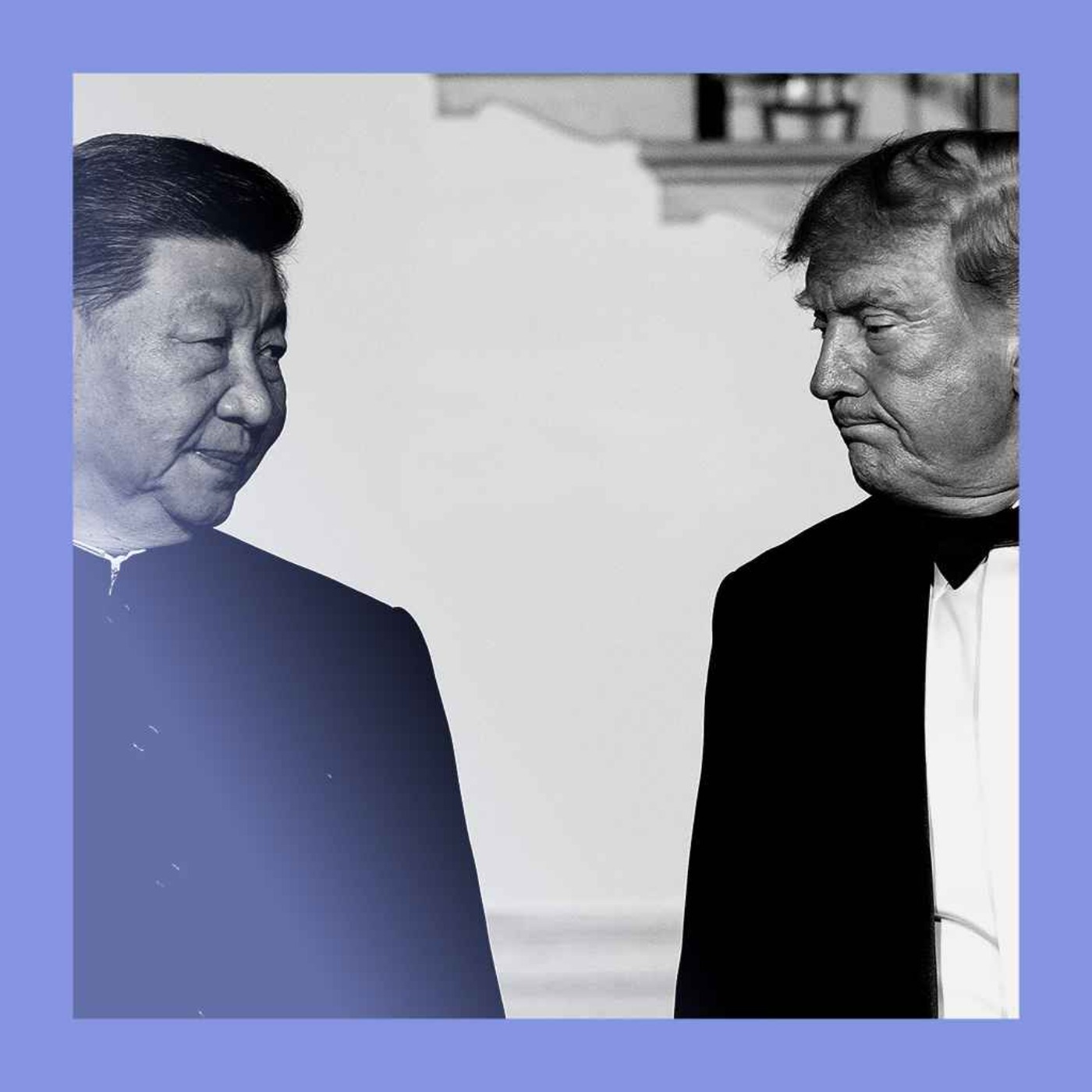
The Trump–Xi Summit: Big Ceremony, Limited Substance
What happened
- Donald Trump and Xi Jinping staged a highly choreographed summit, complete with military honors and ceremonial pageantry.
- Both leaders spoke in positive terms, emphasizing goodwill and cooperation.
- In practice, the meeting delivered very little beyond maintaining the current détente.
Main outcomes
- Trade truce extended for only two months, not the longer period China had wanted.
- Tariffs will not escalate immediately.
- Rare earth exports from China to the U.S. will continue, easing pressure on American industry.
- No major new deal on Chinese purchases of U.S. goods emerged.
What remains unresolved
- AI: The two sides agreed to keep talking, but there was no major breakthrough or warning hotline for AI risk.
- Taiwan: Xi pushed more openly for the U.S. to oppose Taiwanese independence, a stronger demand than before.
- Strategic stability: The summit did not resolve the underlying rivalry between the two powers.
How China Sees the Relationship
China’s growing confidence
- Chinese officials now approach the U.S. from a position of greater confidence than during Trump’s first term.
- They believe China has become more self-sufficient technologically and economically.
- Beijing sees the relationship less as cooperation and more as a “strategic stalemate” — a balance of power where China can now match U.S. pressure more effectively.
Beijing’s strategic aim
- China wants to lock in a more stable relationship while pressing advantages on issues like:
- Taiwan
- Iran and Middle East leverage
- technology and trade
- The Trump presidency is seen in Beijing as a rare opportunity to pressure Washington on issues that previous U.S. leaders would not budge on.
How Washington Sees It
U.S. expectations
- Trump officials still believe the U.S. has leverage and can extract more concessions from China.
- They want China to buy more American goods, especially:
- soybeans
- beef
- Boeing aircraft
- The short extension of the truce reflects the belief that a better deal may still be possible later.
Political tone shift
- Trump’s treatment of Xi has become noticeably more respectful and deferential.
- But American officials remain wary that Trump could make concessions on Taiwan or other core security issues.
Tommy Robinson’s Influence in America
Who he is
- Tommy Robinson, born Stephen Yaxley-Lennon, rose as a founder of the English Defence League.
- He now presents himself as a “citizen journalist” and online anti-Islam agitator.
- His message: Islam is incompatible with the West, and Britain is a warning for America.
Why he matters in the U.S.
- Robinson has found an audience among:
- MAGA activists
- Christian nationalists
- some Republican politicians
- influential figures on X, including Elon Musk
- He even received unusual official access during a U.S. visit despite his criminal record.
What the reporting found in Texas
- Anti-Muslim sentiment is becoming more mainstream in parts of the Republican base.
- A Pew survey showed a sharp rise in Americans who say Islam is a more violent religion than others.
- Texas has become a flashpoint, especially around a mosque-linked development project in Plano that critics framed as a “Sharia enclave.”
The bigger political effect
- The anti-Muslim narrative is now shaping local and midterm politics.
- The episode suggests Robinson’s influence lies less in formal power and more in his ability to normalize alarmist, anti-Muslim rhetoric.
Bob Mackie: The Man Who Dressed the Stars
Why he was celebrated
- Bob Mackie, who has died aged 87, was one of the great costume designers for stage and screen.
- He became famous for dazzling, sparkly, theatrical outfits made for icons like:
- Marilyn Monroe
- Cher
- Tina Turner
- Diana Ross
- Elton John
His style and legacy
- Mackie loved sequins, rhinestones, and spectacle.
- He designed clothes to enhance personality and presence under the spotlight.
- He was often dismissed by the fashion establishment as a Hollywood costume maker, but his supporters saw his work as true high art.
Notable idea
- Mackie’s philosophy was that a great outfit is not just about the garment — it is about who it is for and how that person is meant to shine.
Bottom Line
- The Trump–Xi summit looked dramatic but achieved only a narrow temporary truce.
- China appears more confident and more willing to confront the U.S. than in the past.
- AI and Taiwan remain the most sensitive unresolved issues.
- Separately, the episode highlights how far-right anti-Muslim messaging is crossing from Britain into U.S. politics.
- It closes with a tribute to Bob Mackie, whose glittering designs helped define modern celebrity spectacle.